California Supreme Court Weighs Sheriff Bianco's Ballot Seizure Case
The California Supreme Court is deliberating on the legality of Riverside County Sheriff Chad Bianco's seizure of nearly 650,000 ballots. This investigation raises critical questions about election integrity, law enforcement authority, and the balance of power within the state’s electoral system.
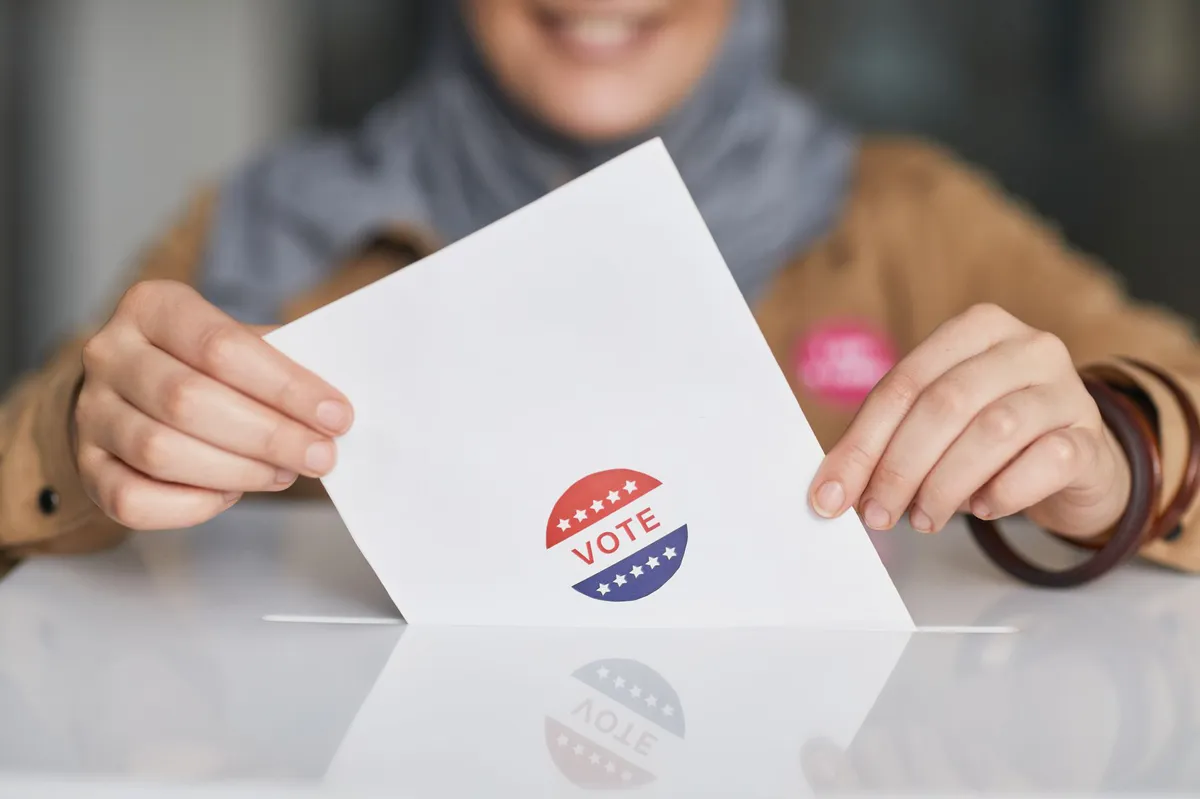
The California Supreme Court is currently considering a highly contentious issue surrounding the actions of Riverside County Sheriff Chad Bianco, who seized approximately 650,000 ballots from the county's Registrar of Voters during an investigation into alleged election discrepancies. The case presents a complex interplay of election law, law enforcement authority, and the fundamental principles of democratic integrity. As the justices deliberate, the ramifications of their decision could extend far beyond Riverside County, potentially influencing future interactions between law enforcement and electoral processes across California.
At the heart of the matter is Bianco's assertion that he is investigating a reported discrepancy concerning the number of ballots counted versus those cast during the November special election regarding California’s Proposition 50. This proposition, which aimed to increase Democratic representation in the U.S. House of Representatives by adding five more seats, has become a focal point of allegations concerning election integrity. The sheriff's actions have raised alarm bells about the potential for politicization of law enforcement in electoral matters, a concern that has become increasingly prominent in recent years nationwide.
The Allegations and Actions Behind the Seizure
In the wake of the November election, a citizens group claimed to have uncovered evidence suggesting that 46,000 more ballots were counted than were cast, prompting Sheriff Bianco to act. Arguing that the integrity of the election was at stake, Bianco obtained search warrants and conducted a seizure of these ballots. He indicated that the intent of this seizure was to conduct a manual recount and compare the findings against the reported vote totals.
However, California Attorney General Rob Bonta swiftly intervened, filing a lawsuit to halt Bianco's recount efforts. Bonta characterized Bianco’s investigation as a “fishing expedition” designed to undermine public trust in the electoral process. He directed Bianco to pause his activities and submit the case file to his office, claiming that the sheriff had violated this directive by continuing his investigation.
Legal and Procedural Context
California law lays out specific procedures for recounting ballots, which typically involve a range of entities including the Secretary of State, the district attorney, and the Board of Supervisors. The law is designed to ensure that recounts are conducted transparently and with the oversight of neutral parties to maintain public confidence in electoral outcomes. Bianco’s method of obtaining a warrant to seize the ballots, and his subsequent recount with only sheriff's department personnel present, raised significant legal concerns.
- Seizure of Ballots: Sheriff Bianco's office seized ballots based on alleged discrepancies.
- Legal Intervention: Attorney General Bonta filed a lawsuit to stop the recount.
- Election Code Violations: Critics argue Bianco's actions ignored established recount procedures.
Arguments Presented to the Court
During the court proceedings, Chad Dunn of the UCLA Voting Rights Project, representing the petitioners, argued that Bianco's actions constituted a blatant disregard for the law. He underscored that the Elections Code explicitly prohibits the removal of ballot packages from election officials' custody. Similarly, Kevin Calia, representing the California Secretary of State's Office, reiterated that the sheriff’s seizure of ballots was legally indefensible.
On the other side, Bianco's attorney, Bradley W. Hertz, contended that the sheriff had a legal duty to investigate allegations of election fraud. He maintained that Bianco adhered to the Penal Code throughout the process, including acquiring sworn declarations to support his warrant application. The justices expressed skepticism about Hertz's interpretation of the law, highlighting the stark language in the Elections Code that seems to categorically prohibit such actions.
Judicial Skepticism
The justices’ skepticism was palpable, particularly when Associate Justice Kelli M. Evans pointedly questioned the interpretation of the phrase “in no event,” asking Hertz how such language could support the sheriff's claim. Justice Joshua P. Groban also probed the implications of allowing ballot seizures, questioning whether this authority could extend to pre-election scenarios as well, suggesting a slippery slope in law enforcement's role regarding election oversight.
Impact on Election Integrity and Law Enforcement
The implications of this case extend beyond Riverside County, touching on broader issues of election integrity and the powers vested in law enforcement. As Bianco continues to assert that there may have been corruption within the election office, his actions have sparked a debate about the extent to which law enforcement can intervene in electoral matters. This situation raises critical questions about the balance of power between elected officials, law enforcement agencies, and the legal framework governing elections.
Critics of Bianco’s actions argue that such interventions can lead to a dangerous precedent where law enforcement may be perceived as politically motivated, potentially eroding public confidence in the electoral process. The Attorney General has warned that Bianco’s actions could lead to a “constitutional crisis,” asserting that the sheriff has not only violated the law but has also undermined the integrity of California's elections.
The Role of the Attorney General
The court also examined the extent of the Attorney General's authority in overseeing local law enforcement actions. California Solicitor General Samuel Harbourt underscored that the Attorney General is tasked with protecting the public interest and possesses broad powers in this regard. However, Hertz countered that the Attorney General’s role is largely supervisory and does not extend to overriding the authority of elected sheriffs.
This debate highlights an ongoing tension in California law regarding the roles and responsibilities of different levels of government and law enforcement in electoral matters. As the justices weigh these arguments, their decision could have far-reaching implications for how future allegations of election fraud are handled.

Key Takeaways
- The case centers on Sheriff Bianco's seizure of ballots, raising questions about election integrity.
- California law specifies procedures for recounts, which Bianco is accused of circumventing.
- Attorney General Bonta argues Bianco's actions undermine public trust in elections.
- The outcome of this case could set a precedent for future law enforcement interventions in elections.
Frequently Asked Questions
What prompted Sheriff Bianco to seize the ballots?
Riverside County Sheriff Chad Bianco seized the ballots following allegations from a citizens group that there were discrepancies between the number of ballots counted and those cast during the November election. They claimed there were 46,000 more counted ballots than were cast, leading Bianco to initiate a criminal investigation into the integrity of the election process.
What is the legal basis for the Attorney General's intervention?
The California Attorney General, Rob Bonta, intervened based on the assertion that Sheriff Bianco's actions violated state law regarding the handling and recounting of ballots. Bonta argued that the sheriff's investigation constituted a “fishing expedition” and was designed to undermine public confidence in the electoral process, warranting immediate legal action to halt the recount.
What are the potential implications of the court's decision?
The California Supreme Court's decision could have significant implications for the future of election integrity and law enforcement's role in overseeing elections. A ruling against Bianco could reaffirm the strict protocols governing ballot handling and recounts, while a ruling in his favor might open the door for more aggressive law enforcement interventions in electoral matters, potentially impacting public trust in elections.
How does this case reflect broader trends in election oversight and integrity?
This case underscores a growing national debate about election integrity, law enforcement's role in electoral matters, and the politicization of the electoral process. As various states grapple with similar issues, the outcome of this case could serve as a bellwether for how authorities handle allegations of election fraud and the balance of power between law enforcement and electoral officials.
This content is general information and not legal advice.
Comments
Nevada's Lawsuit Poses Uncertainty for Arizona Water Management
Arizona's water future hangs in the balance as Nevada sues the federal government over Colorado River cutbacks. This legal action complicates negotiations and raises concerns about water availability in the Southwest.

Related articles



Popular in Business Law
- Supreme Court Justices' Financial Disclosures: A Closer Look
- Vishal Garg's Leadership Fallout: The Rise and Fall of Better.com
- Former Intelligence Official Faces Penalty for Post-Government Misconduct
- Blank Rome Faces Lawsuit After Major Data Breach Exposes Personal Information
- Congress Faces Reckoning Over Member-Staff Relationships