Nevada's Lawsuit Poses Uncertainty for Arizona Water Management
Arizona's water future hangs in the balance as Nevada sues the federal government over Colorado River cutbacks. This legal action complicates negotiations and raises concerns about water availability in the Southwest.
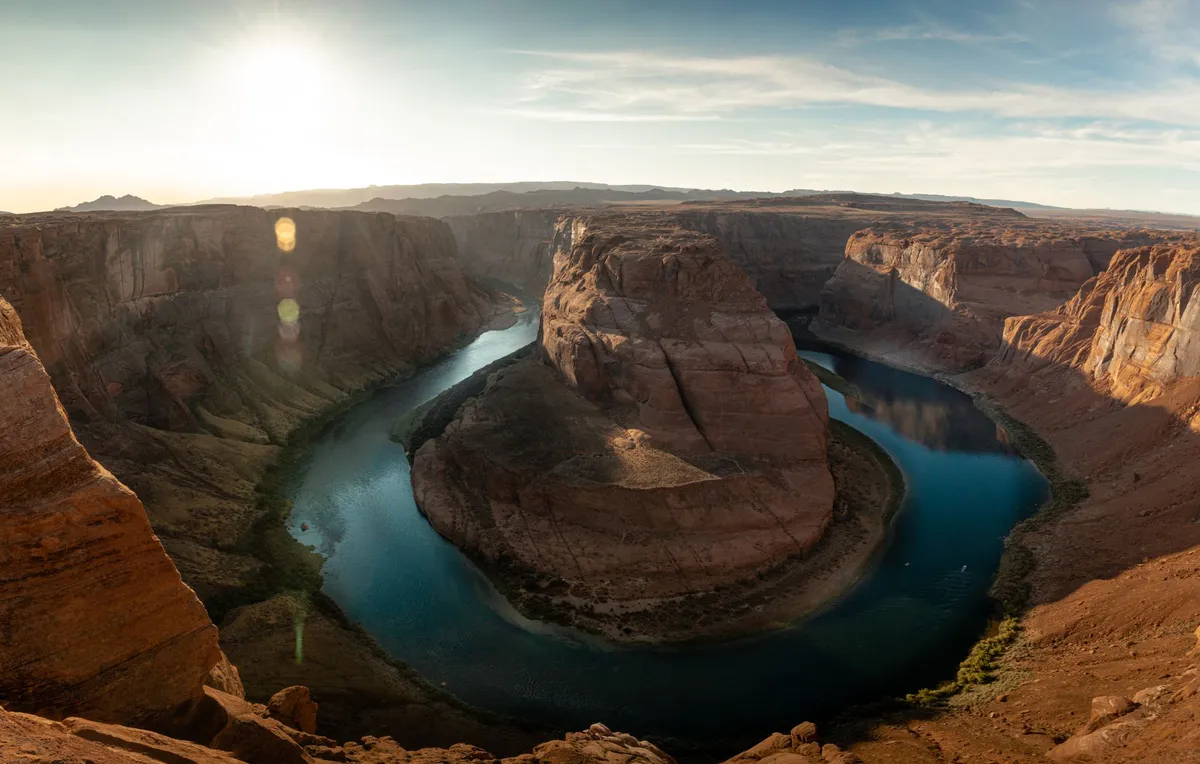
The ongoing drought conditions across the Southwestern United States have intensified competition over water resources, particularly those stemming from the Colorado River. In a significant turn of events, Nevada has filed a lawsuit against the federal government, challenging a plan that mandates substantial water cuts in response to dwindling river flows. The implications of this lawsuit are profound, particularly for Arizona, which stands to lose nearly a third of its water allocation from the Colorado River if the federal government's plan moves forward. As negotiations and legal battles unfold, Arizona officials are left grappling with an uncertain future for their water supply.
At the heart of the issue is the Bureau of Reclamation's recent decision regarding the Colorado River's management post-2026. This decision, which resulted from years of negotiations, has been met with mixed reactions from stakeholders in Arizona. While some view it as a necessary step toward sustainable water management, others, including Arizona Department of Water Resources Director Tom Buschatzke, express concerns about the potential ramifications of Nevada's lawsuit and the associated uncertainty it brings.
Understanding the Colorado River's Water Allocation
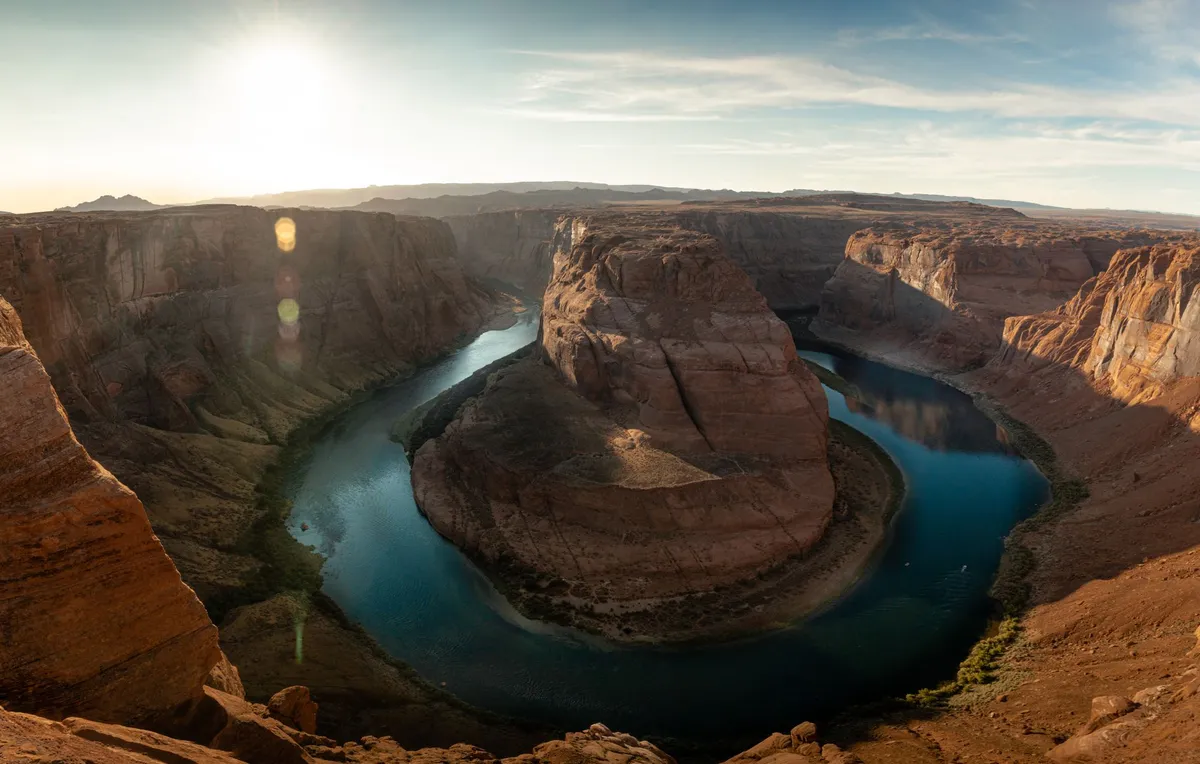
The Colorado River is a crucial water source for seven states—Arizona, California, Nevada, Utah, Colorado, New Mexico, and Wyoming—as well as Mexico. The river's allocation is governed by complex legal frameworks known as the Law of the River, which includes treaties, compacts, and court decisions that dictate how much water each state is entitled to. In times of drought, these allocations are increasingly contentious, as states vie for their share amid declining water levels.
Under the Bureau of Reclamation's plan, the lower basin states—primarily Arizona, Nevada, and California—are required to collectively cut back their water usage by 3.5 million acre-feet over the next two years. Arizona bears the brunt of these cuts, expected to relinquish 760,000 acre-feet annually, along with an additional voluntary conservation of 300,000 acre-feet. By 2028, this could amount to a staggering loss of over 1.8 million acre-feet, a volume that could severely impact agricultural and urban water supplies.
The Legal Landscape and Nevada's Lawsuit
Nevada's recent lawsuit against the federal government introduces a layer of complexity to an already fraught situation. The suit challenges the Bureau of Reclamation's decision, asserting that it fails to adequately address the water rights and concerns of the Silver State, which could jeopardize its water supply. In a meeting following the lawsuit's announcement, Buschatzke acknowledged the lawsuit's potential to disrupt negotiations and delay the implementation of the Bureau's plan.
“We’re still evaluating it,” Buschatzke noted, emphasizing the ongoing uncertainty surrounding Arizona's water management strategy. This legal challenge comes at a time when water levels in key reservoirs, such as Lake Mead and Lake Powell, are alarmingly low—at 27% and 22% capacity, respectively. If the lawsuit stalls the Bureau's plan, Buschatzke warned that Arizona might face even more drastic federal water cuts, a scenario that could exacerbate the state's water crisis.
Impacts on Arizona's Water Supply
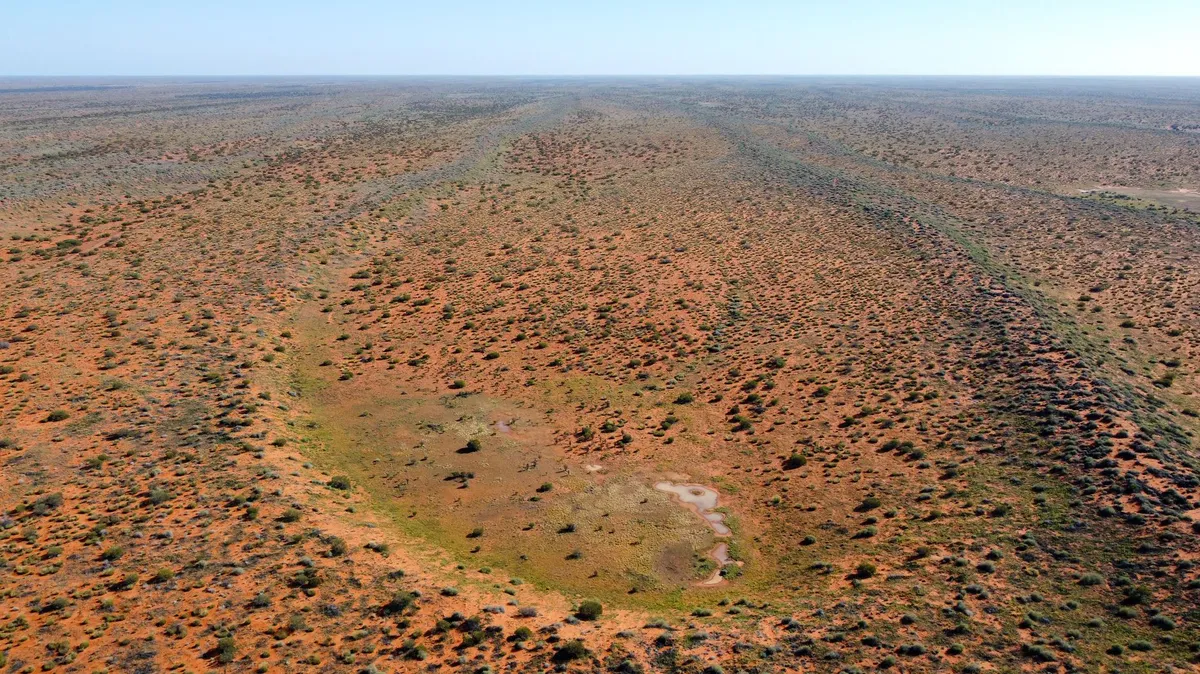
The potential consequences of losing significant amounts of water are far-reaching. Arizona's economy, which relies heavily on agriculture and tourism, is particularly vulnerable. The Central Arizona Project (CAP), a critical water delivery system that supplies nearly half of Phoenix's water, could face severe restrictions. In 2022, CAP had to suspend deliveries to many agricultural fields, underscoring the precarious nature of the state’s water supply.
Moreover, the legal and political dynamics surrounding the Colorado River could lead to a prolonged cycle of negotiations. Brenda Burman, General Manager of the Central Arizona Project, pointed out that the current operating guidelines contain fundamental legal flaws, including a perceived failure to comply with the Colorado River Compact. This raises questions about the fairness and viability of the water allocation system as it stands.
Future of Water Management in Arizona
As Arizona navigates this complex legal landscape, stakeholders will need to prepare for a new era of water management characterized by uncertainty and potentially contentious negotiations. The state's leadership, including Governor Stephen Roe Lewis of the Gila River Indian Community, has voiced support for Nevada's lawsuit, indicating a broader demand for a reevaluation of water rights and management practices.
Moving forward, Arizona will need to secure legislative authorization for the lower basin agreement and facilitate smaller agreements among water users to coordinate necessary cuts. As Buschatzke remarked, “Keep your hands on your cell phone, because another short notice meeting might happen.” This sentiment underscores the urgency and volatility of the situation.

Key Takeaways
- Nevada's lawsuit against the federal government adds uncertainty to Arizona's water management strategy.
- Arizona is set to lose over 1.8 million acre-feet of water by the end of water year 2028.
- The Central Arizona Project could face severe restrictions, impacting agriculture and urban water supplies.
- The situation highlights ongoing tensions between lower and upper basin states regarding water allocation.
Frequently Asked Questions
What is the Colorado River Compact?
The Colorado River Compact is a 1922 agreement among the seven basin states that allocates the river's water among them. It establishes the legal framework for water rights and usage and has been amended over the years to adapt to changing hydrological conditions. The Compact is critical in determining how water shortages are managed, especially during drought periods.
How do water cuts affect Arizona's economy?
Water cuts in Arizona have significant implications for the state's economy, particularly in agriculture, which relies heavily on consistent water supplies. Reduced water availability can lead to diminished crop yields, increased costs for farmers, and ultimately higher prices for consumers. Additionally, urban areas may face water restrictions, impacting residential use and overall quality of life.
What actions can Arizona take in response to the lawsuit?
Arizona can pursue several strategies in response to the lawsuit, including negotiations with Nevada and other stakeholders to reach a mutually beneficial agreement. The state may also seek to strengthen its legal position by invoking its water rights or advocating for more equitable water management practices. Engaging with federal agencies to influence policy decisions will be crucial in navigating this complex legal landscape.
Comments
California Supreme Court Weighs Sheriff Bianco's Ballot Seizure Case
The California Supreme Court is deliberating on the legality of Riverside County Sheriff Chad Bianco's seizure of nearly 650,000 ballots. This investigation raises critical questions about election integrity, law enforcement authority, and the balance of power within the state’s electoral system.

Related articles


Popular in Business Law
- Supreme Court Justices' Financial Disclosures: A Closer Look
- Vishal Garg's Leadership Fallout: The Rise and Fall of Better.com
- Former Intelligence Official Faces Penalty for Post-Government Misconduct
- Blank Rome Faces Lawsuit After Major Data Breach Exposes Personal Information
- Congress Faces Reckoning Over Member-Staff Relationships