Colorado's Lawsuit Against Trump Administration: Uncovering the 'Smoking Gun'
Colorado's lawsuit against the Trump administration has unveiled emails suggesting political motivations behind federal funding restrictions. This article explores the implications of these revelations on state and federal relations.
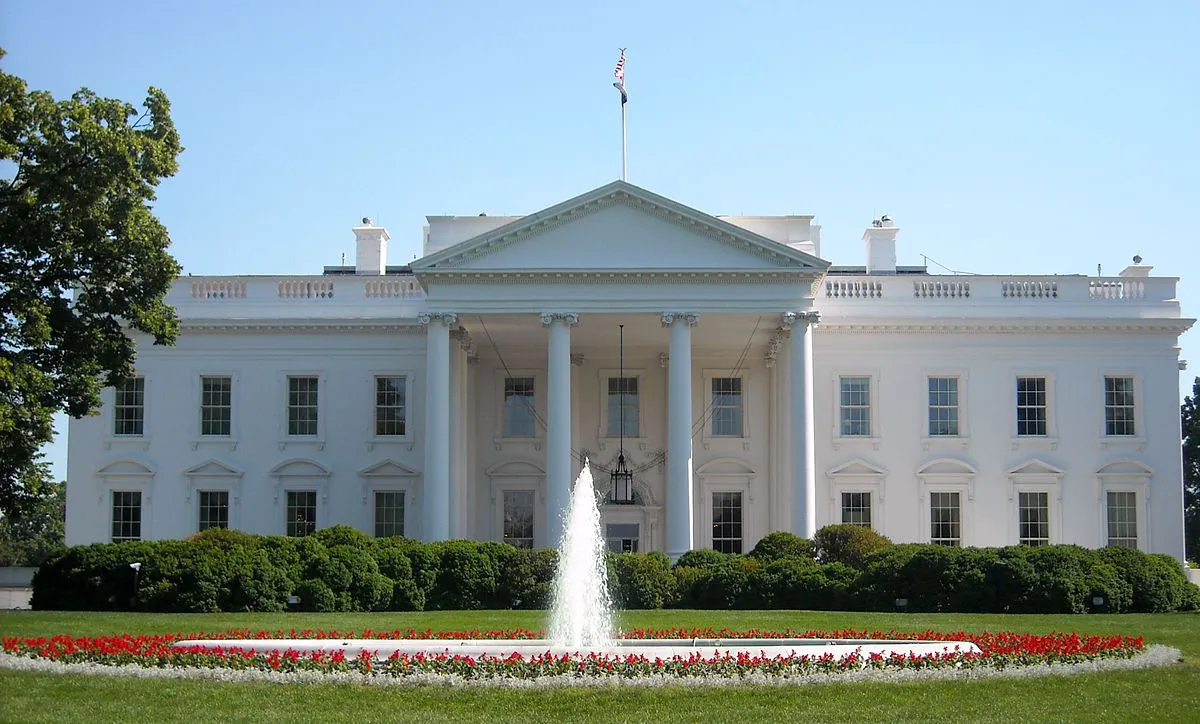
In a significant legal development, Colorado's lawsuit against the Trump administration has unearthed a series of emails that may serve as crucial evidence in demonstrating how political differences influenced federal funding decisions. The state alleges that the administration undermined its access to federal resources in retaliation for policies that clashed with the prevailing political agenda. The implications of this case extend beyond Colorado, potentially reshaping the landscape of state-federal relations.
The lawsuit centers around an email sent by Emily Underwood of the White House Executive Office, which surfaced during a discovery hearing on August 11. The email directed various federal agencies to prioritize Colorado for grants and federal support, hinting at a coordinated effort to manipulate funding based on political alignment. This development has sparked widespread attention, with legal experts and political analysts weighing in on its potential ramifications.

Background of the Lawsuit
The lawsuit was initiated by Colorado after the Trump administration allegedly enacted a series of punitive measures against the state. This included the withdrawal of millions of dollars in federal funding aimed at transportation and energy initiatives, as well as attempts to dismantle key research institutions such as the National Center for Atmospheric Research. State officials argue that these actions were part of a broader strategy to punish Colorado for its election security policies and the prosecution of former Mesa County Clerk Tina Peters, who faced allegations of compromising voting machines post-2020 election.
Context of the Allegations
The allegations of political retribution are significant, particularly as they challenge the long-standing principle of federal neutrality in state affairs. Colorado's lawsuit argues that the Trump administration's actions violated constitutional norms by using federal resources as a weapon against states that pursued independent policies. The implications of this case could set a precedent for how federal agencies interact with state governments, especially in politically charged environments.

The 'Smoking Gun' Email
The email in question, described by the presiding judge as a “smoking gun,” highlights a crucial moment in the alleged orchestration of a federal campaign against Colorado. The email detailed a conference call meant to discuss “immediate actions” that federal agencies could take regarding Colorado, specifically aimed at aligning federal support with administration priorities.
State attorneys have emphasized that the timing of this email is particularly telling, as it was dispatched shortly after President Trump attempted to grant clemency to Tina Peters. The email's directives raise critical questions about the motivations behind federal funding decisions and whether they were unduly influenced by political considerations.
- Email sent late at night on December 15
- Directed multiple federal agencies to prioritize Colorado
- Instructed recipients to keep the meeting confidential
- Followed President Trump's clemency efforts for Tina Peters

The Legal Ramifications
The legal battle unfolding in Colorado could have far-reaching consequences for the relationship between state and federal governments. If the court finds that the Trump administration indeed engaged in unconstitutional behavior, it may embolden other states to pursue similar lawsuits against federal agencies. This could lead to a re-examination of how federal funding is allocated and whether it can be influenced by political agendas.
Potential Outcomes
As the case progresses, there are several potential outcomes that could arise. A ruling in favor of Colorado could not only restore the lost funding but also set a precedent that protects states from federal overreach. Conversely, if the court sides with the Trump administration, it could reinforce the notion that federal agencies have broad discretion in their funding decisions, regardless of political motivations.
Implications for State-Federal Relations
The Colorado lawsuit serves as a critical test case for understanding the dynamics of state-federal relations in the United States. If the allegations are proven true, it could signify a shift in how states interact with the federal government, particularly regarding funding and policy implementation. The outcome of this case may resonate beyond Colorado, influencing how future administrations manage relations with states that adopt policies contrary to their agenda.
Public Response and Political Climate
The public's response to the lawsuit has been mixed, reflecting the polarized political climate in the country. Supporters of the lawsuit argue that it is essential for holding the federal government accountable, while opponents may view it as a politically motivated attack against the Trump administration. As the case unfolds, it is likely to continue generating significant media coverage and public interest, particularly in the context of ongoing discussions about electoral security and state rights.

Key Takeaways
- The Colorado lawsuit against the Trump administration alleges unconstitutional political retribution.
- An email described as a 'smoking gun' suggests coordinated federal action against Colorado.
- The outcome could redefine state-federal relations and funding allocation practices.
- Public perceptions of the case are influenced by the current political climate.
Frequently Asked Questions
What is the main accusation in Colorado's lawsuit against the Trump administration?
The main accusation is that the Trump administration engaged in an unconstitutional scheme to restrict Colorado's access to federal funding as a form of political punishment. This was allegedly in response to the state's election security policies and the prosecution of a local official.
How could this lawsuit affect future state-federal relations?
If Colorado prevails in its lawsuit, it could establish a precedent that protects states from federal overreach and political manipulation regarding funding decisions. This could lead to increased scrutiny of federal agencies and how they allocate resources to states.
What are the potential consequences for the Trump administration if Colorado wins the lawsuit?
A ruling in favor of Colorado could expose the Trump administration to claims of political misconduct, potentially leading to further investigations or legal challenges against its actions. It may also prompt other states to file similar lawsuits, amplifying the scrutiny of federal practices.
What does the term 'smoking gun' mean in this context?
The term 'smoking gun' refers to evidence that is particularly damning and indicative of wrongdoing. In this case, the email from the White House is considered a smoking gun because it allegedly reveals a calculated effort to manipulate federal funding based on political considerations.
Comments
Trump's Legal Threat Against Nonprofit: A Battle Over Crime Data
President Trump has threatened a $5 billion lawsuit against a nonprofit for questioning the effectiveness of National Guard deployments in reducing crime. This case raises significant First Amendment issues and highlights the tension between political narratives and independent research.

Related articles

Popular in Business Law
- Supreme Court Justices' Financial Disclosures: A Closer Look
- Vishal Garg's Leadership Fallout: The Rise and Fall of Better.com
- Former Intelligence Official Faces Penalty for Post-Government Misconduct
- Blank Rome Faces Lawsuit After Major Data Breach Exposes Personal Information
- Congress Faces Reckoning Over Member-Staff Relationships