Chinese Humanoid Robots Break World Records at Beijing Games
In a groundbreaking display at the World Humanoid Robot Games in Beijing, Chinese robots shattered human records in sprinting and high jump, showcasing rapid advancements in robotics technology. This event not only highlights China's dominance in the field but also intensifies the global race in robotics innovation.
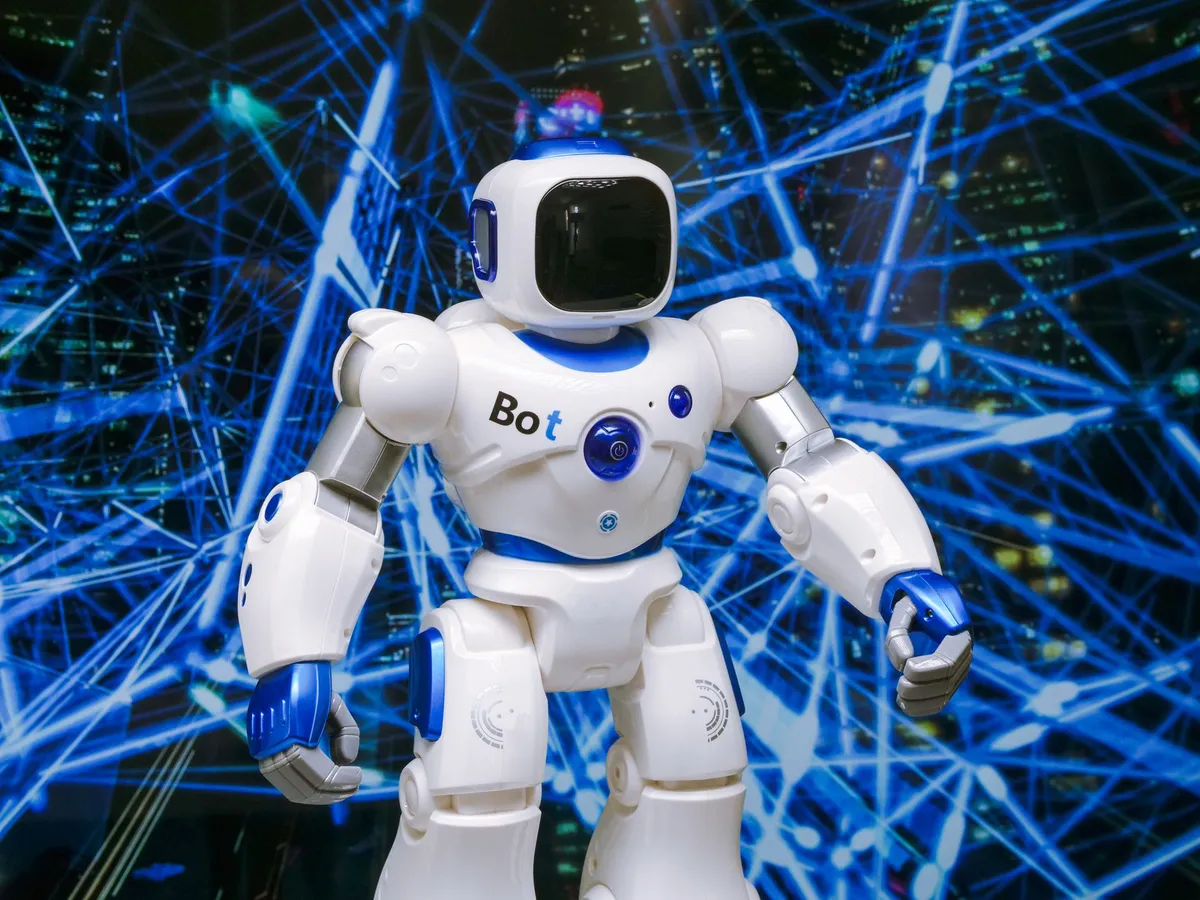
The World Humanoid Robot Games in Beijing recently opened with a stunning showcase of technological prowess, featuring humanoid robots outperforming human records in both the 100-meter sprint and high jump. The event, which draws comparisons to the Olympics, is a testament to China's rapid advancements in robotics and highlights the escalating competition between nations in this groundbreaking technological field.
On the inaugural day of these Olympics-like games, participants were treated to a spectacle that saw over 2,000 humanoid robots from various regions, including a remarkable performance by robots from Beijing-based X-Humanoid. These machines not only demonstrated their capabilities through athletic feats but also sparked discussions about the future of robotics and artificial intelligence (AI) in our daily lives.
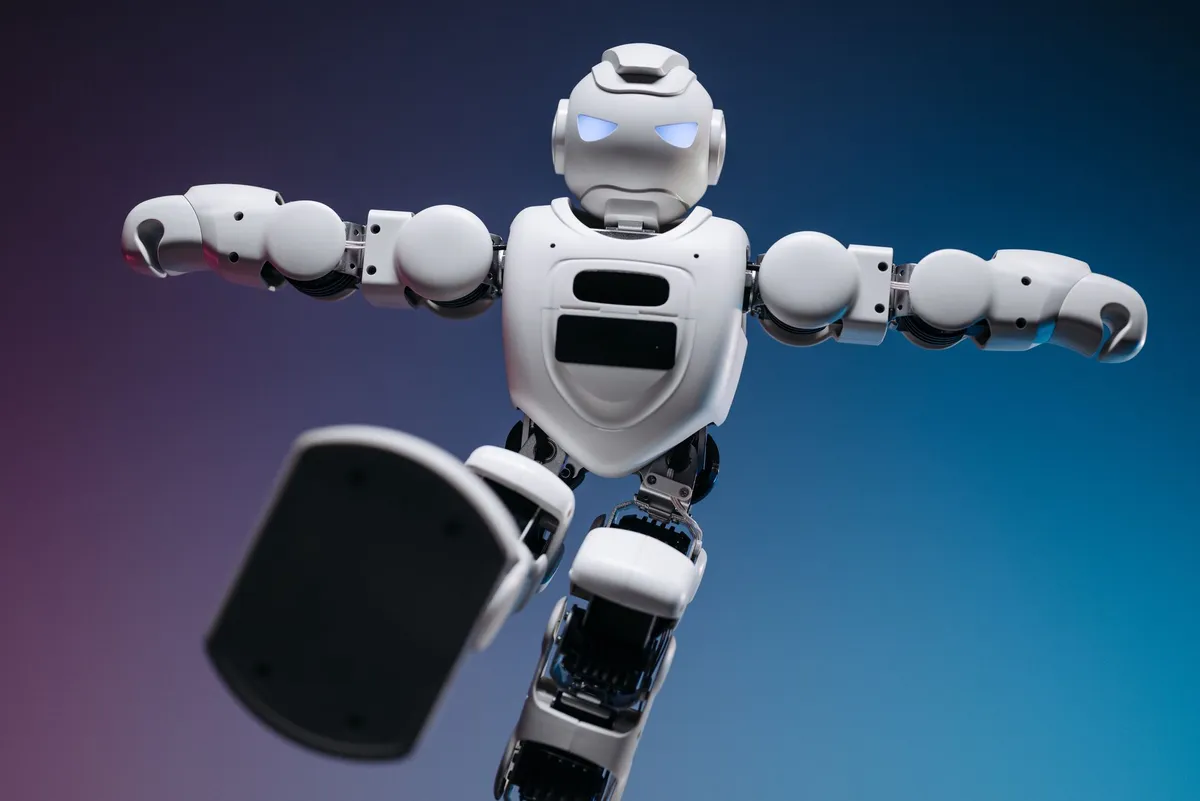
The Rise of Robotics in China
China has become a global leader in humanoid robot manufacturing, producing the majority of the world's supply. This dominance has not gone unnoticed, as the U.S. has intensified scrutiny of Chinese robotics, citing national security concerns. Recently, the Federal Communications Commission (FCC) announced a ban on importing new foreign-made humanoid robots, explicitly targeting China amid growing fears regarding the potential military applications of these technologies.
The recent inclusion of Chinese companies like Unitree on the Pentagon's list of entities with military ties underscores the geopolitical tensions surrounding robotics innovation. Such actions reflect a broader concern over the implications of advanced robotics technologies and their applications in warfare and surveillance.
A Glimpse into the Future: Athletic Achievements of Robots
At the heart of the event were the remarkable athletic achievements of the humanoid robots. One robot clocked an astonishing 9.39 seconds in the 100-meter sprint, surpassing Usain Bolt's previous world record of 9.58 seconds set back in 2009. Additionally, in the standing high jump, a robot succeeded in clearing a height of 2.88 meters, well above the human record of 2.45 meters set by Cuba's Javier Sotomayor in 1993.
These feats illustrate not only the rapid advancements in robot design and engineering but also the potential for humanoid robots to perform tasks that were once thought to be exclusively human. Spectators at the games expressed their amazement at these developments, recognizing the significance of robots being able to engage in activities that were once considered solely within the human domain.
Public Perceptions and Societal Impact
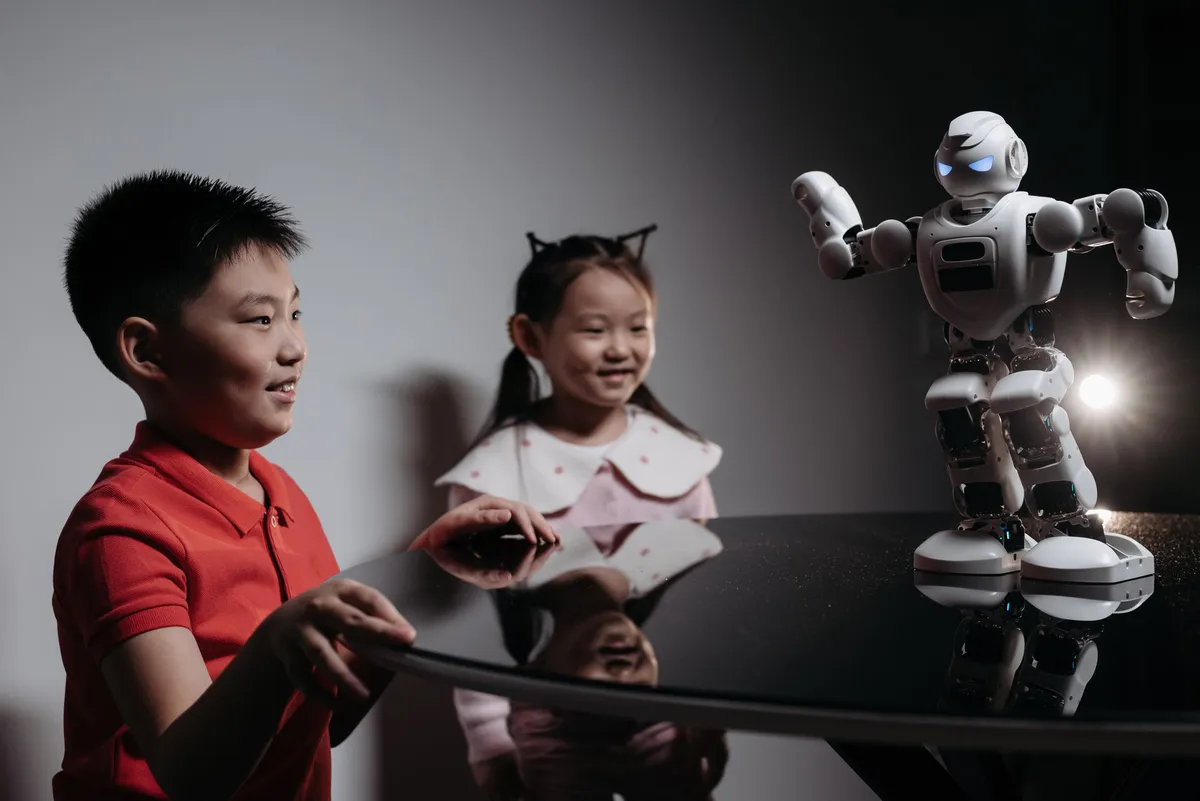
The reactions of spectators at the World Humanoid Robot Games reflect a growing acceptance and fascination with robotics and artificial intelligence. Many attendees, initially skeptical about the implications of AI, found themselves captivated by the impressive performances of these machines.
Education worker Li Yanfeng shared her journey from skepticism to acceptance, stating, "At first, I wasn’t very accepting of artificial intelligence. I was even a bit resistant to it, because of the possibility that it might replace or displace humans. But now that I see this development is unstoppable, I decided to come and take a look." This sentiment highlights a broader societal shift in how we view AI and robotics, as the public begins to embrace the potential benefits while grappling with concerns over job displacement and ethical considerations.
Global Participation and Future Prospects
This year's games feature participation from 16 countries, including Germany, Japan, and the U.S. The inclusion of diverse events such as weightlifting and tug-of-war showcases the versatility and potential applications of humanoid robots. As robotics technology continues to advance, the implications for industries ranging from manufacturing to healthcare are vast.
However, experts caution that while these robots are capable of impressive feats, their current applications are largely limited to demonstrations, performances, and research. The transition from experimental robots to mass deployment in real-world scenarios will take time, and the ethical considerations surrounding their use must be carefully navigated.
Key Takeaways
- Chinese humanoid robots broke human athletic records in sprinting and high jump at the World Humanoid Robot Games.
- The U.S. has imposed restrictions on the import of foreign-made humanoid robots due to security concerns, particularly regarding China.
- Public perceptions of AI and robotics are shifting, with many embracing the technology despite initial concerns.
- The event features participation from 16 countries, showcasing a global interest in robotics innovation.
- While advancements are impressive, the practical deployment of humanoid robots in everyday life remains a work in progress.
Frequently Asked Questions
What are humanoid robots, and what makes them significant?
Humanoid robots are machines designed to replicate human movements and behaviors. They can perform various tasks, from simple actions like walking to complex activities such as playing sports. Their significance lies in their potential to enhance efficiency in industries, assist in research, and even provide companionship. The recent achievements at the World Humanoid Robot Games illustrate the rapid advancements in this field and raise questions about the future roles of robots in society.
How are humanoid robots currently being used?
Currently, humanoid robots are primarily utilized for demonstrations, research, and performances. They are often showcased at events like the World Humanoid Robot Games to highlight their capabilities and advancements. While there is potential for broader applications, including healthcare and manufacturing, the widespread deployment of these robots in everyday life is still in its infancy, requiring further technological developments and ethical considerations.
What are the ethical concerns surrounding humanoid robots?
Ethical concerns around humanoid robots include issues of job displacement, privacy, and the potential for misuse in military applications. As robots become more capable, there is a growing fear that they could replace human jobs, leading to unemployment in certain sectors. Additionally, the use of robots in surveillance and military operations raises questions about accountability and the ethical use of technology in society.
How do international dynamics affect the development of robotics technology?
International dynamics play a significant role in the development of robotics technology, particularly concerning competition between countries like the U.S. and China. The geopolitical landscape influences funding, research priorities, and regulations around robotics. As nations vie for leadership in this field, actions such as import bans and scrutiny of foreign companies can shape the trajectory of robotics development and innovation.
Disclaimer: The content is general information and not legal advice.
Comments
Trump's Legal Threat Against Nonprofit: A Battle Over Crime Data
President Trump has threatened a $5 billion lawsuit against a nonprofit for questioning the effectiveness of National Guard deployments in reducing crime. This case raises significant First Amendment issues and highlights the tension between political narratives and independent research.

Related articles

Popular in Business Law
- Supreme Court Justices' Financial Disclosures: A Closer Look
- Vishal Garg's Leadership Fallout: The Rise and Fall of Better.com
- Former Intelligence Official Faces Penalty for Post-Government Misconduct
- Blank Rome Faces Lawsuit After Major Data Breach Exposes Personal Information
- Congress Faces Reckoning Over Member-Staff Relationships