Wall Street Volatility: Treasury Yields Surge Amid Economic Concerns
This week, Wall Street faced significant swings due to rising Treasury bond yields, driven by inflation, AI spending, and geopolitical tensions. Key economic indicators suggest a complex landscape ahead.

This week, Wall Street experienced a rollercoaster of emotions as Treasury bond yields soared to heights not seen since 2007, sending ripples through the stock market. Investors were left on edge as they navigated the implications of rising inflation, increased spending on artificial intelligence, and escalating tensions in the Middle East, particularly concerning Iran. These factors combined created an atmosphere of uncertainty, prompting significant fluctuations across major stock indices.
As the market opened early this week, the 30-year Treasury yield reached alarming levels, sparking widespread concern among economists and investors alike. In a bid to stabilize the situation, Treasury Secretary Scott Bessent announced plans to double bond buybacks from $2 billion to $4 billion starting next month. This move was designed to infuse liquidity into a market that appeared increasingly volatile.
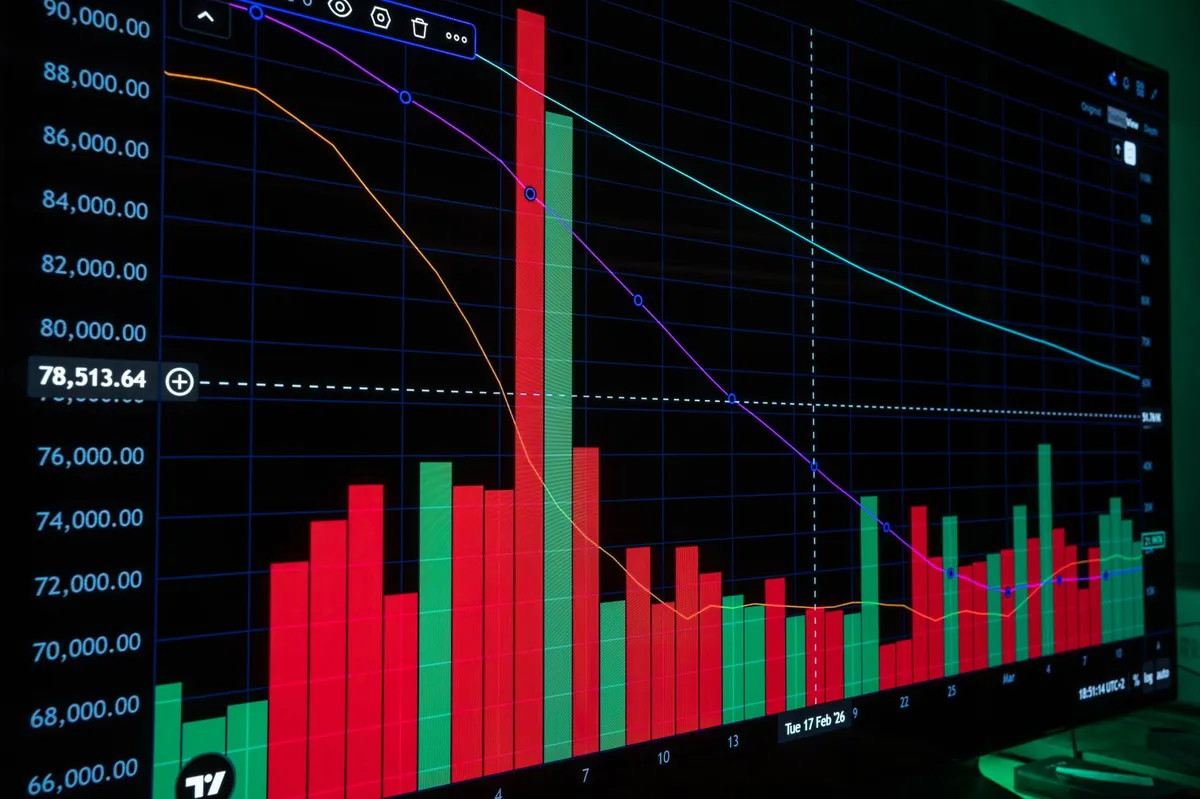
Market Reaction and Treasury Strategies
While the initial announcement of increased bond buybacks provided a temporary reprieve, it soon became evident that the relief was short-lived. Following a brief decline in Treasury yields, the market saw a sharp decline in equities. By the end of the week, the Dow Jones Industrial Average had shed 454 points, the S&P 500 was down 111 points, and the Nasdaq plummeted by 549 points. This rapid decline reflected the broader anxiety among investors regarding future economic conditions and the Fed's potential responses.
Economists are closely monitoring how the Treasury Department's actions might influence the Federal Reserve's monetary policy. The Fed, which recently maintained interest rates between 3.5% and 3.75%, has signaled that it may consider rate hikes if inflation continues to rise. Minutes from the last Federal Open Market Committee (FOMC) meeting revealed concerns that inflation forecasts are skewed to the upside, particularly with the rapid expansion of artificial intelligence-related sectors, which have seen significant price increases.

The Inflation Concern and Its Broader Implications
Inflation has been a persistent concern for both policymakers and investors. The latest economic data indicates that while the manufacturing sector continues to expand, the underlying factors driving this growth are complex. The Fed's industrial production index showed a modest increase of 0.2%, attributed largely to the burgeoning AI industry. This sector has not only boosted the production of computer and electronic products but has also had positive spillover effects on other manufacturing categories, such as electrical equipment and machinery.
Yet, there are warnings that the apparent growth may be artificially inflated by external circumstances. For instance, analysts have pointed out that ongoing geopolitical conflicts, particularly those involving Iran, could further disrupt supply chains and influence pricing structures. The Empire State Manufacturing survey, which rose from 15.6 to 20.6 this month, also reflects these complexities, with experts cautioning that previous tariffs and international tensions could be influencing these figures.

Geopolitical Factors Impacting Economic Stability
The situation in the Strait of Hormuz has also contributed to the volatility observed in the markets. Oil prices have surged for the second consecutive week as diplomatic efforts to reach a peace agreement between the U.S. and Iran have stalled. Treasury Secretary Bessent has warned of the potential for severe sanctions against Iran, which has further heightened market tensions and uncertainty.
As Brent crude prices hovered around $94 a barrel at the close of the week, investors are left to ponder the implications of rising oil prices on inflation and overall economic stability. Higher energy costs can lead to increased prices across a wide range of goods and services, making the inflationary pressures even more pronounced.
Future Outlook: Economic Indicators to Watch
The coming weeks will be critical for understanding the trajectory of both the stock market and the broader economy. Investors will be keenly awaiting Fed Chair Kevin Warsh's address at the annual Jackson Hole Symposium, which is expected to provide insights into the central bank's future policy direction. With central banks globally facing constraints in their responses to inflation, the bond markets are likely to experience ongoing volatility.
As companies continue to invest heavily in AI technologies, the implications for productivity and inflation remain to be seen. The intertwining of these factors creates a unique and challenging environment for investors, as they must consider both macroeconomic indicators and geopolitical developments.
Key Takeaways
- Treasury bond yields have reached peaks not seen since 2007, impacting stock market performance.
- The Federal Reserve is closely monitoring inflation, with potential rate hikes on the horizon.
- Geopolitical tensions, particularly involving Iran, are contributing to market volatility and rising oil prices.
- Investors should pay attention to upcoming economic reports and central bank announcements for future market direction.
Frequently Asked Questions
What are Treasury yields and why do they matter?
Treasury yields are the returns on investment for U.S. government bonds. They are critical indicators of investor confidence and economic conditions. When yields rise, it often indicates that investors expect higher inflation or interest rates in the future, which can lead to declines in stock prices as borrowing costs increase.
How does inflation impact the stock market?
Inflation can erode purchasing power and increase costs for companies, which can lead to lower profit margins. As companies pass on higher costs to consumers, it can result in decreased demand for goods and services, negatively affecting stock prices. Furthermore, rising inflation often leads to tighter monetary policy, such as higher interest rates, which can further dampen stock market performance.
What role does artificial intelligence play in the current economic landscape?
Artificial intelligence is rapidly transforming various sectors by enhancing productivity and efficiency. However, the investments associated with AI can also lead to increased costs and create challenges in managing inflation. The growth of AI-related industries has thus become a significant factor in both manufacturing growth and inflationary pressures.
What should investors do in this volatile market?
In a volatile market, investors should adopt a cautious approach, focusing on diversification to mitigate risks. Keeping a close eye on economic indicators, central bank statements, and geopolitical developments is essential for making informed investment decisions. It may also be wise to consult with financial advisors to navigate these uncertain times.
This content is general information and not legal advice.
Comments
LexisNexis Unveils Customer Innovation Lab to Revolutionize Legal AI
LexisNexis has launched its Customer Innovation Lab in New York City, a collaborative initiative aimed at transforming legal AI development. By integrating legal professionals, engineers, and AI experts, the Lab seeks to address workflow challenges in real-time, producing solutions swiftly and effectively.

Related articles






Popular in Business Law
- Supreme Court Justices' Financial Disclosures: A Closer Look
- Vishal Garg's Leadership Fallout: The Rise and Fall of Better.com
- Former Intelligence Official Faces Penalty for Post-Government Misconduct
- Blank Rome Faces Lawsuit After Major Data Breach Exposes Personal Information
- Congress Faces Reckoning Over Member-Staff Relationships