The Parallels Between Trump and Kim Jong Un: A Closer Look
Exploring the striking similarities between Donald Trump and Kim Jong Un, this article delves into their governance styles, shared obsessions, and the significant implications for their respective countries.

The relationship between Donald Trump and Kim Jong Un has been one of the most intriguing diplomatic narratives of the 21st century. With Trump famously declaring that he had 'fallen in love' with the North Korean leader, many have questioned the nature of their connection. What is it that draws these two leaders, seemingly worlds apart, into a shared sphere? A closer examination reveals surprising parallels in their governing styles, personal obsessions, and the broader implications of their actions on their nations.
At first glance, it may seem that the former president of the United States and the supreme leader of North Korea have little in common. However, upon deeper inspection, we find that both are driven by a desire for power, a penchant for self-promotion, and a tendency to manipulate narratives to suit their needs. This article aims to uncover these similarities and explore what they mean for the citizens of their respective countries.

Shared Traits: A Closer Look
One of the most striking traits shared by Trump and Kim is their obsession with self-image. Both leaders are known for their extensive social media presence, with Trump often using Twitter to broadcast his thoughts and policies while Kim utilizes state media to propagate his image and ideology. This obsession with self-promotion is not merely vanity; it serves as a means of controlling public perception, creating a narrative that bolsters their authority.
Expertise in Everything
Another commonality is their belief in their own expertise across a wide range of subjects, regardless of their actual knowledge or experience. Trump’s recent demands regarding military operations, such as altering the command structure of U.S. aircraft carriers to mimic World War II designs, serve as an example of this phenomenon. Similarly, Kim's decisions regarding North Korean policies often reflect a disregard for expert advice, driven by an overestimation of his own understanding.
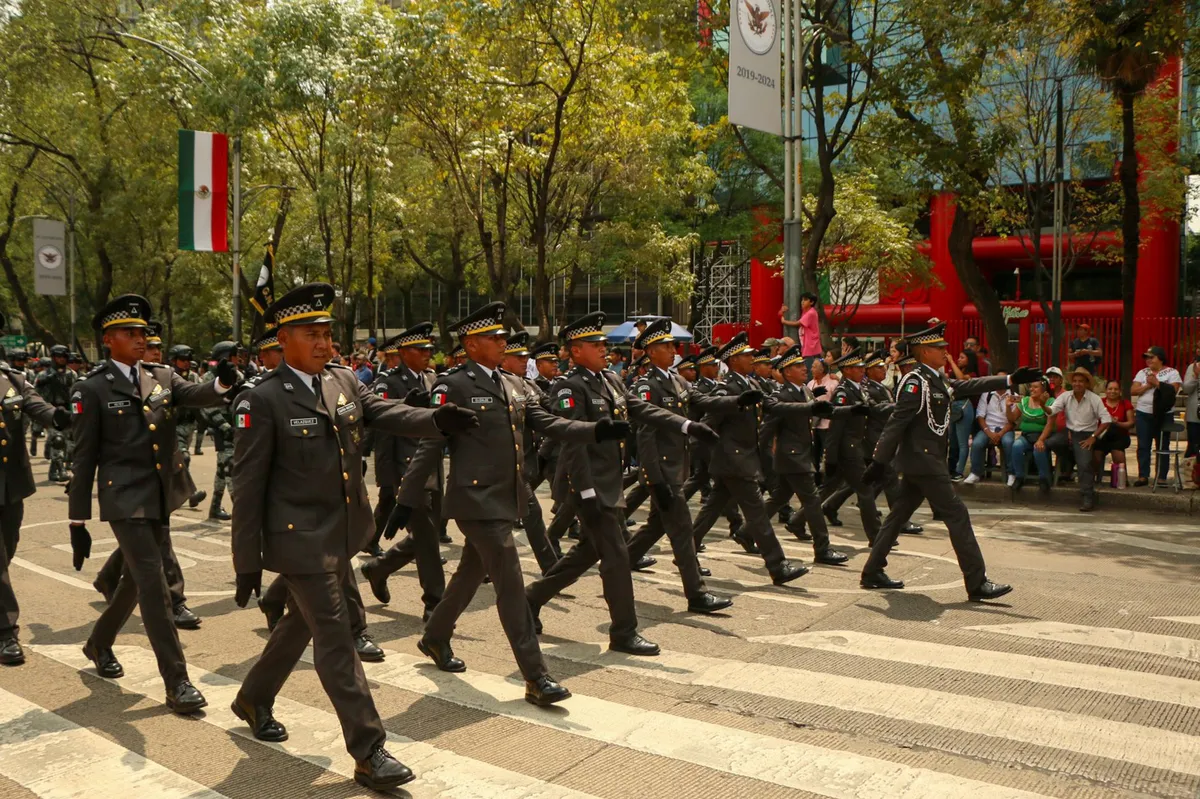
Governance by Slogan and Fear
Both leaders also demonstrate a reliance on slogans and propaganda to maintain control over their citizens. Trump's rallying cries often focus on blaming others—be it immigrants, Democrats, or the media—while Kim employs a similar strategy of identifying 'class enemies' in the form of capitalists and foreign nations. This tactic not only distracts from domestic issues but also fosters a culture of fear and division among the populace.
Falsification of History
In their quest to maintain power, both leaders have engaged in the manipulation of historical narratives. Trump has been accused of attempting to rewrite aspects of American history, while Kim perpetuates myths about his family's legacy, such as the fabricated birthplace of his father, Kim Jong Il. This historical revisionism serves to legitimize their rule and suppress dissent.
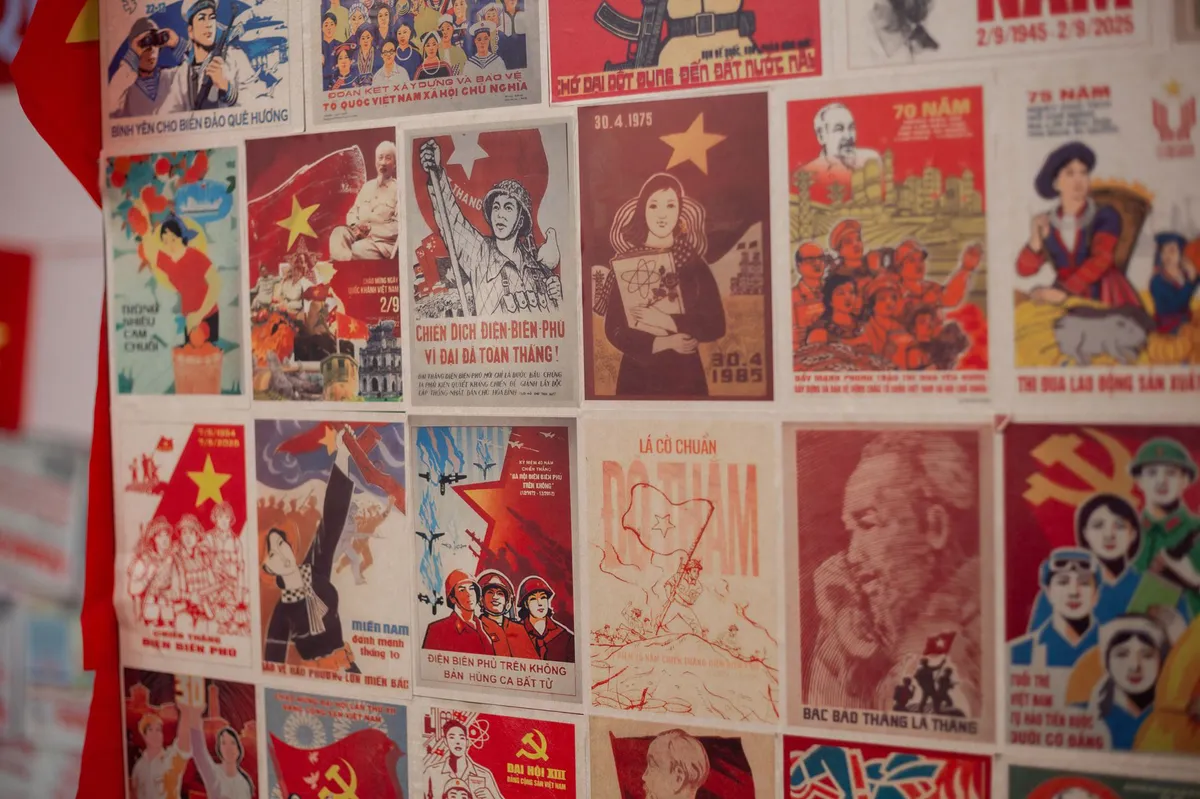
Ignoring Crises and Militarizing Borders
Despite facing significant economic challenges, both Trump and Kim have prioritized military spending and border control over addressing pressing domestic issues. The militarization of borders not only diverts resources from essential public services but also creates a climate of anxiety and distrust among citizens. Both leaders have shown a reluctance to engage with scientific evidence, favoring their own beliefs over expert advice, which has serious implications for public health and safety.
Demonizing Small Businesses
The treatment of small businesses further illustrates the similarities in their governance. Trump’s administration has targeted small business owners, particularly during the pandemic, while offering leniency to wealthy corporations and individuals. Kim, on the other hand, maintains strict control over the North Korean economy, often punishing small business initiatives that do not align with state ideology. This common thread of demonizing small businesses reflects a broader tendency to prioritize political power over economic welfare.

Information Control and Accountability
Both leaders have also demonstrated a troubling approach to information control. Accurate statistics and data are notoriously difficult to obtain in North Korea, where the government suppresses information that contradicts its narratives. Similarly, Trump's administration has been noted for deleting and censoring government databases, further complicating efforts to hold the government accountable. This culture of opacity undermines public trust and makes it challenging for citizens to advocate for their rights.
The Role of Sycophants
Finally, both Trump and Kim inhabit a bubble of sycophants and loyalists, which reinforces their detachment from reality. This environment allows them to operate without meaningful criticism and fosters a sense of invulnerability that can lead to reckless decision-making. In such a setting, policies are often implemented without regard for their actual impact on the populace.
Key Takeaways
- Self-Promotion: Both leaders prioritize their public image and control narratives.
- Expertise Overreach: They both exhibit an overconfidence in their knowledge across various fields.
- Propaganda Use: Slogans and fear tactics are common strategies for maintaining power.
- Economic Disregard: Both ignore economic crises while militarizing borders.
- Information Control: They suppress and manipulate data to avoid accountability.
Frequently Asked Questions
What are the primary similarities between Trump and Kim Jong Un?
Both Trump and Kim share traits such as a focus on self-promotion, a belief in their expertise across various fields, and a reliance on propaganda and slogans to maintain control over their populations. They engage in historical revisionism, prioritize military spending over addressing economic issues, and suppress information that contradicts their narratives.
How does their governance affect their citizens?
The governance styles of both leaders have significant implications for their citizens. They create a culture of fear and division, making it difficult for individuals to hold their governments accountable. This can lead to economic instability, suppression of dissent, and a lack of access to accurate information, ultimately harming the well-being of their populations.
Why is this comparison important?
Understanding the parallels between Trump and Kim is crucial for recognizing the broader implications of their leadership styles on global politics. It serves as a warning about the dangers of authoritarian governance and the potential consequences for democratic institutions and societies.
What can citizens do in response to these governance styles?
Citizens can advocate for transparency and accountability in their governments by staying informed, participating in civic activities, and supporting policies that promote open dialogue and access to accurate information. It is essential to challenge narratives that seek to divide and manipulate, fostering a more informed and engaged populace.
Comments
LexisNexis Unveils Customer Innovation Lab to Revolutionize Legal AI
LexisNexis has launched its Customer Innovation Lab in New York City, a collaborative initiative aimed at transforming legal AI development. By integrating legal professionals, engineers, and AI experts, the Lab seeks to address workflow challenges in real-time, producing solutions swiftly and effectively.

Related articles






Popular in Business Law
- Supreme Court Justices' Financial Disclosures: A Closer Look
- Vishal Garg's Leadership Fallout: The Rise and Fall of Better.com
- Former Intelligence Official Faces Penalty for Post-Government Misconduct
- Blank Rome Faces Lawsuit After Major Data Breach Exposes Personal Information
- Congress Faces Reckoning Over Member-Staff Relationships