Bad Bunny’s ‘Frankenstein’ Defense: A Copyright Case with Far-Reaching Implications
The recent copyright case involving Bad Bunny's 'Frankenstein' rhythm defense is raising critical questions about music copyright and artistic expression. This feature explores its legal ramifications.
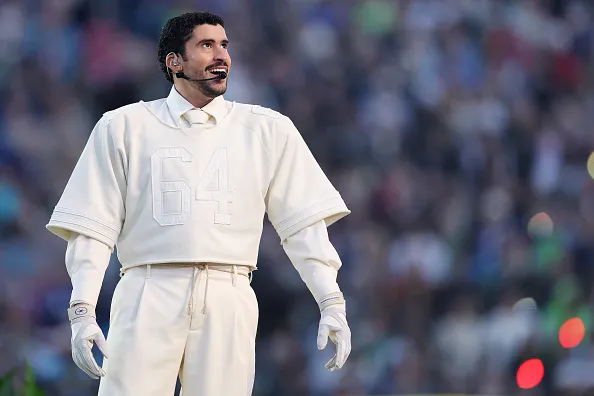
The world of music is never devoid of controversy, and the recent copyright case involving global music sensation Bad Bunny is no exception. At the center of this legal storm is the artist's defense strategy surrounding his hit song, which allegedly borrows heavily from existing works. Bad Bunny’s use of a ‘Frankenstein’ rhythm defense—claiming that his song is a creative amalgamation of various influences—has not only perplexed the judge presiding over the case but also ignited a broader conversation about the nature of copyright in the music industry. This case is pressing and may shape future legal standards concerning artistic expression and intellectual property.
Copyright law serves as a protective mechanism for artists, aiming to safeguard their original creations from unauthorized use. However, the intersection of creativity and legal boundaries is a delicate one, particularly in music, where influences and samples often blur the lines of originality. As Bad Bunny’s defense unfolds, it's essential to examine the implications of his arguments, the potential consequences for the music industry, and what this means for artists navigating similar challenges.
The Legal Framework of Music Copyright
To fully grasp the significance of Bad Bunny's situation, we must delve into the intricacies of copyright law as it pertains to music. In the United States, copyright protection grants artists exclusive rights to their works, including reproduction, distribution, performance, and derivative works. The Copyright Act of 1976 is the cornerstone of this legal framework, establishing the criteria for what constitutes copyright infringement.
In general, for a copyright infringement claim to be successful, the plaintiff must prove two key elements:
- Ownership: The plaintiff must establish that they own the copyright to the original work.
- Substantial Similarity: The plaintiff must demonstrate that the allegedly infringing work is substantially similar to their original creation.
Bad Bunny’s defense hinges on the notion that music is inherently derivative, often drawing from previously established rhythms, melodies, and styles. By positioning his work as a ‘Frankenstein’ of sorts—constructed from various influences—he challenges the conventional understanding of originality in music.
Understanding the ‘Frankenstein’ Defense
Bad Bunny’s ‘Frankenstein’ rhythm defense is a fascinating and complex argument. It suggests that all music is a patchwork of influences and that drawing inspiration from existing works is a fundamental part of the creative process. This defense could be viewed as an acknowledgment of the collaborative nature of music, where genres and styles constantly evolve through borrowing and blending.
This argument raises several fundamental questions:
- What constitutes original work in music?
- How much influence is permissible before it becomes copyright infringement?
- Can an artist be held liable for creating a song that is similar to another if that similarity is a product of shared cultural influences?
As the case unfolds, these questions will likely be at the forefront of discussions surrounding music copyright, potentially leading to new interpretations of what it means to be an original artist in the 21st century.
The Judge’s Dilemma: Balancing Creativity and Copyright
The judge overseeing this case faces a daunting task: to balance the need for protecting artists' rights with the recognition that music is inherently collaborative and influenced by various sources. Historically, courts have struggled with this balance, often resulting in inconsistent rulings that can leave artists uncertain about their legal standing.
In past cases, courts have examined elements like the ‘substantial similarity’ standard, which can be highly subjective. For instance, if two songs share a similar rhythm or melody, determining whether that similarity constitutes infringement often comes down to expert testimony and the court's interpretation of artistic intent.

The Impact on the Music Industry
The outcome of Bad Bunny’s case could set a precedent that may reverberate throughout the music industry. A ruling in favor of Bad Bunny could embolden artists to experiment with their music without fear of legal repercussions, promoting a more innovative and collaborative creative environment. Conversely, a ruling against him could instill apprehension among artists, discouraging them from embracing influences that are integral to their craft.
This case also underscores the broader implications for the music industry as streaming and digital platforms continue to dominate. As artists increasingly rely on these platforms for exposure, the risk of copyright claims is ever-present, creating a chilling effect on creativity. The legal outcomes of this case could potentially reshape how artists approach their work and their willingness to take creative risks.

What Artists Can Learn
For artists watching this case unfold, there are several key takeaways that can help navigate the often-treacherous waters of copyright law:
- Document Your Influences: Keeping a record of your creative process and the influences that inspire your work can provide valuable context if legal issues arise.
- Seek Legal Counsel: Consulting with a copyright attorney can help clarify your rights and obligations as an artist, especially when sampling or drawing from existing works.
- Understand Fair Use: Familiarize yourself with the concept of fair use, which allows limited use of copyrighted material without permission under certain circumstances.
Key Takeaways
- The Bad Bunny copyright case involves a complex ‘Frankenstein’ rhythm defense.
- Copyright law allows artists to protect their original works but raises questions about influence.
- The judge's decision may impact how creativity and copyright are balanced in the music industry.
Frequently Asked Questions
What is the ‘Frankenstein’ rhythm defense?
The ‘Frankenstein’ rhythm defense refers to an argument made by Bad Bunny in a copyright case, suggesting that his music is a blend of various influences, much like the mythical creature made from parts of different beings. This defense challenges traditional notions of originality in music, asserting that borrowing from existing works is a natural part of the creative process.
How do copyright laws protect artists?
Copyright laws grant artists exclusive rights to their original works, protecting them from unauthorized reproduction, distribution, and performance. In the U.S., these laws are rooted in the Copyright Act of 1976, which outlines the criteria for copyright infringement and the legal rights of creators.
What are the potential consequences of this case for the music industry?
The outcome of Bad Bunny’s case could set significant legal precedents, either encouraging or discouraging artistic experimentation. A ruling in favor of Bad Bunny might foster a more collaborative environment, while a ruling against him could lead to increased caution among artists when drawing from influences.
What should artists do to protect their work?
Artists should actively document their creative processes, seek legal counsel, and educate themselves about copyright laws and the concept of fair use. Being informed and prepared can help mitigate the risks associated with copyright claims and foster a more secure creative environment.
Disclaimer: This content is general information and not legal advice.
Comments
The Data Center Gold Rush: Balancing Progress and Community Values
As the AI boom drives demand for hyperscale data centers, rural communities face challenges in balancing economic benefits with environmental concerns. This article explores the implications of this rapid expansion, particularly in Texas.

Related articles






Popular in Business Law
- Supreme Court Justices' Financial Disclosures: A Closer Look
- Vishal Garg's Leadership Fallout: The Rise and Fall of Better.com
- Former Intelligence Official Faces Penalty for Post-Government Misconduct
- Blank Rome Faces Lawsuit After Major Data Breach Exposes Personal Information
- Congress Faces Reckoning Over Member-Staff Relationships