The Data Center Gold Rush: Balancing Progress and Community Values
As the AI boom drives demand for hyperscale data centers, rural communities face challenges in balancing economic benefits with environmental concerns. This article explores the implications of this rapid expansion, particularly in Texas.

The technological landscape is undergoing a seismic shift, with hyperscale data centers emerging as the backbone of the artificial intelligence (AI) revolution. As tech titans rush to establish these facilities, promising vast economic benefits, rural communities find themselves caught in a complex struggle. Residents in places like the Paluxy River Valley in Texas are raising concerns about the environmental impacts of this data center gold rush, questioning how to reconcile technological progress with the preservation of their land and way of life.
This dilemma is not just localized to Texas; it reflects a broader national trend where the need for digital infrastructure is colliding with community values and environmental stewardship. As we delve into this pressing issue, we must ask: How do we foster innovation and growth in the digital economy without sacrificing the very essence of the communities that support it?
The Economic Stakes of Data Centers
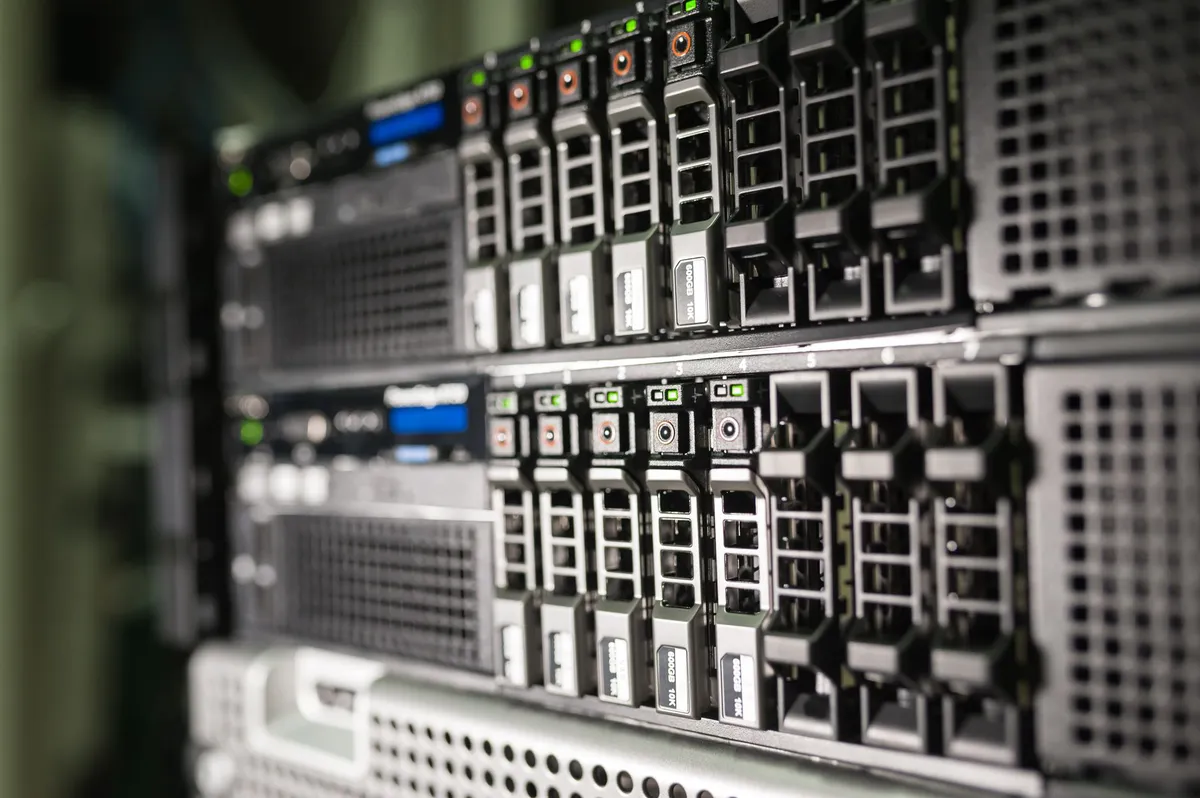
Data centers play a pivotal role in the modern economy, serving as the digital warehouses for everything from social media to cloud computing. As AI applications become more prevalent, the demand for data processing power is skyrocketing. Tech companies are investing heavily in building data centers, which are essential for handling the vast amounts of data generated by AI algorithms.
Proponents argue that these facilities bring significant benefits, such as:
- Job Creation: Data centers generate jobs, both in their construction and ongoing operations.
- Economic Growth: Local economies can benefit from increased tax revenues and local spending.
- Technological Advancement: Investments in data centers are crucial for maintaining the U.S.'s competitive edge in technology.
However, with these benefits come significant challenges. Data centers require substantial resources, including:
- Water: Data centers consume large volumes of water for cooling, a critical issue in drought-prone areas.
- Electricity: These facilities are energy-intensive, raising concerns about their environmental footprint and sustainability.
- Land Use: The construction of data centers often leads to land being repurposed, potentially threatening local ecosystems.
Community Resistance and Environmental Concerns
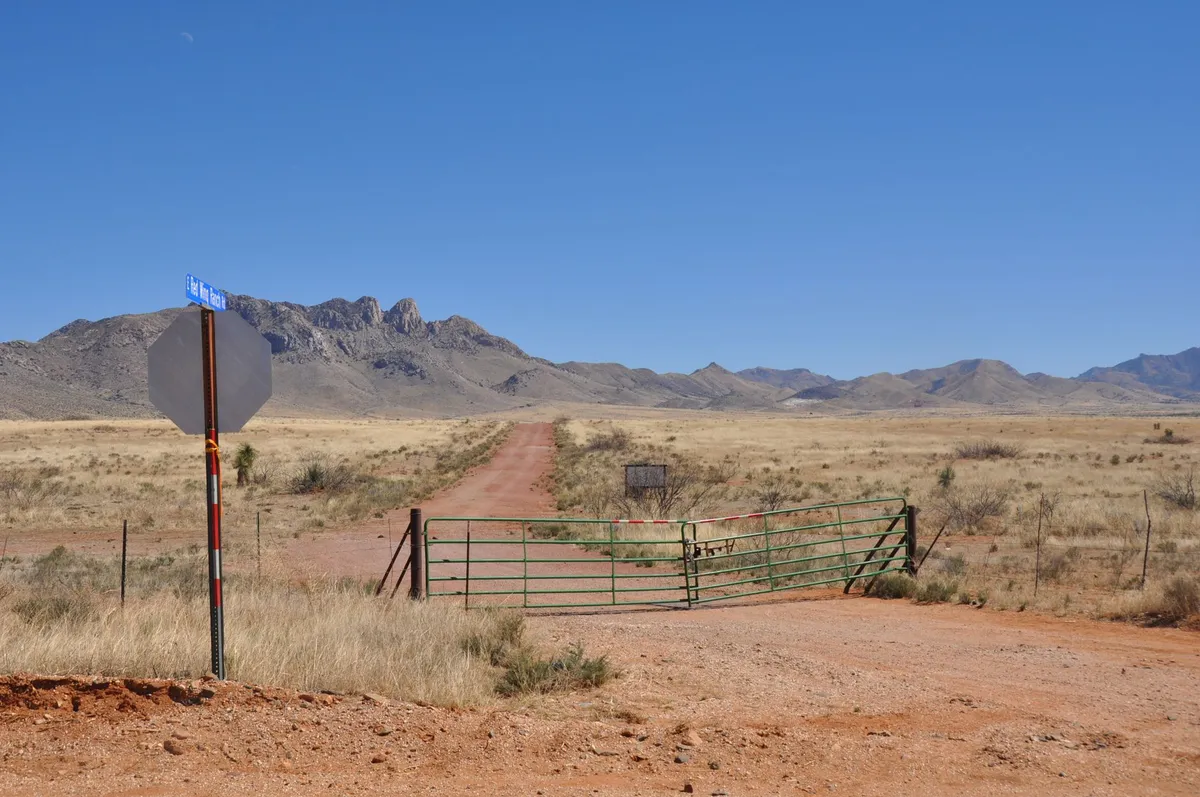
In the Paluxy River Valley, residents are vocal about their concerns regarding the proliferation of data centers. The community, known for its picturesque landscapes and natural resources, fears that the encroachment of these facilities could lead to irreversible damage to their environment. The debate is not just about land use; it's also about the preservation of a way of life that has thrived for generations.
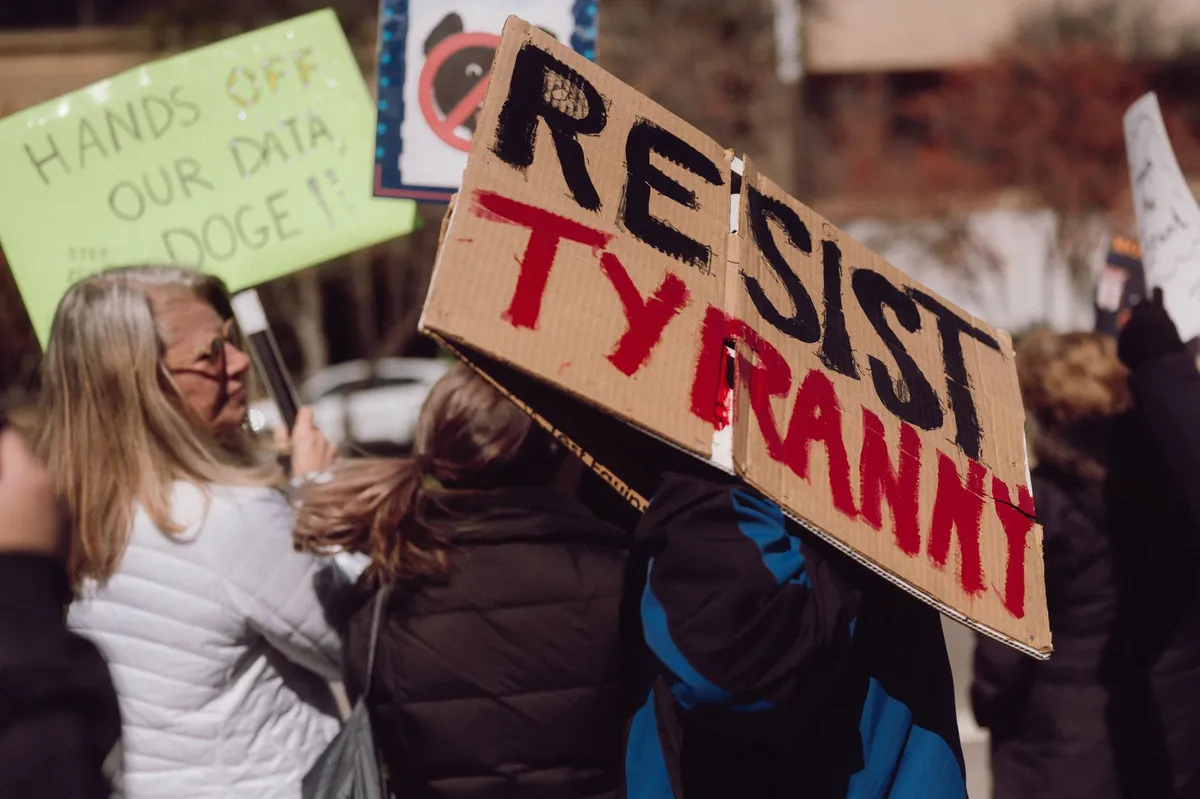
Residents have organized through initiatives like Protect the Paluxy Valley, co-founded by local activist Joanne Carcamo. Their mission is to safeguard local water sources, land, and the overall quality of life in the face of relentless industrial expansion. This grassroots movement illustrates the complexity of the issue—balancing economic development with environmental protection.
Legal and Regulatory Challenges
As rural communities confront the rapid development of data centers, they are also navigating a legal landscape that often favors economic growth over environmental protection. Local governments are tasked with making decisions that can have long-lasting implications for their residents.
In many cases, these communities find themselves at a disadvantage, lacking the legal resources to challenge large corporations effectively. The regulatory framework surrounding data center construction varies significantly from state to state, leading to inconsistencies in how environmental concerns are addressed.
The Future of Data Centers in Rural America
As the demand for data centers continues to grow, finding a sustainable solution is imperative. The question remains: can these facilities coexist with the communities they inhabit?
Some potential pathways forward include:
- Stricter Regulations: Implementing more stringent environmental regulations could help mitigate the impact of data centers on local ecosystems.
- Community Engagement: Involving local residents in the planning process can help address concerns and foster a sense of ownership.
- Innovative Technologies: Investing in more energy-efficient and water-conserving technologies can reduce the ecological footprint of data centers.
Ultimately, the future of data centers in rural America will depend on the ability of communities, tech companies, and policymakers to collaborate on sustainable practices.
Key Takeaways
- The rapid expansion of data centers is driven by the AI boom.
- Communities like Paluxy River Valley are advocating for environmental protection amid industrial growth.
- Striking a balance between economic benefits and environmental sustainability is crucial for the future.
Frequently Asked Questions
What are hyperscale data centers?
Hyperscale data centers are large-scale facilities that provide vast amounts of computing power and storage for cloud services and AI applications. They are typically operated by major tech companies and are designed to scale efficiently to meet growing demand.
How do data centers impact local communities?
Data centers can bring economic benefits like job creation and increased tax revenue, but they also pose challenges such as high water and electricity consumption, land use changes, and potential noise and light pollution, all of which can significantly affect local communities.
What can communities do to protect their interests during data center development?
Communities can engage in advocacy, participate in local government decision-making, and form coalitions to ensure their voices are heard. Legal avenues also exist for challenging unfavorable developments, although these can be resource-intensive.
Are there sustainable technologies for data centers?
Yes, advancements in technology are leading to more sustainable practices in data center operations. Innovations include energy-efficient cooling systems, renewable energy sources, and water conservation techniques that help mitigate the environmental impact.
This article is for informational purposes only and does not constitute legal advice.
Comments
Chinese National Pleads Guilty to Military Equipment Export Attempt
Dingwei Chen, a Chinese national, has pleaded guilty to attempting to acquire restricted U.S. military communications equipment. This case underscores the serious legal implications of violating U.S. export laws.

Related articles






Popular in Business Law
- Supreme Court Justices' Financial Disclosures: A Closer Look
- Vishal Garg's Leadership Fallout: The Rise and Fall of Better.com
- Former Intelligence Official Faces Penalty for Post-Government Misconduct
- Blank Rome Faces Lawsuit After Major Data Breach Exposes Personal Information
- Congress Faces Reckoning Over Member-Staff Relationships