California Lawmakers Face Deadline: Key Bills Pass While Others Fail
As California's legislative session reaches a critical juncture, many important bills are advancing while others face defeat. With the deadline looming, lawmakers push for measures on law enforcement, immigration, and education.

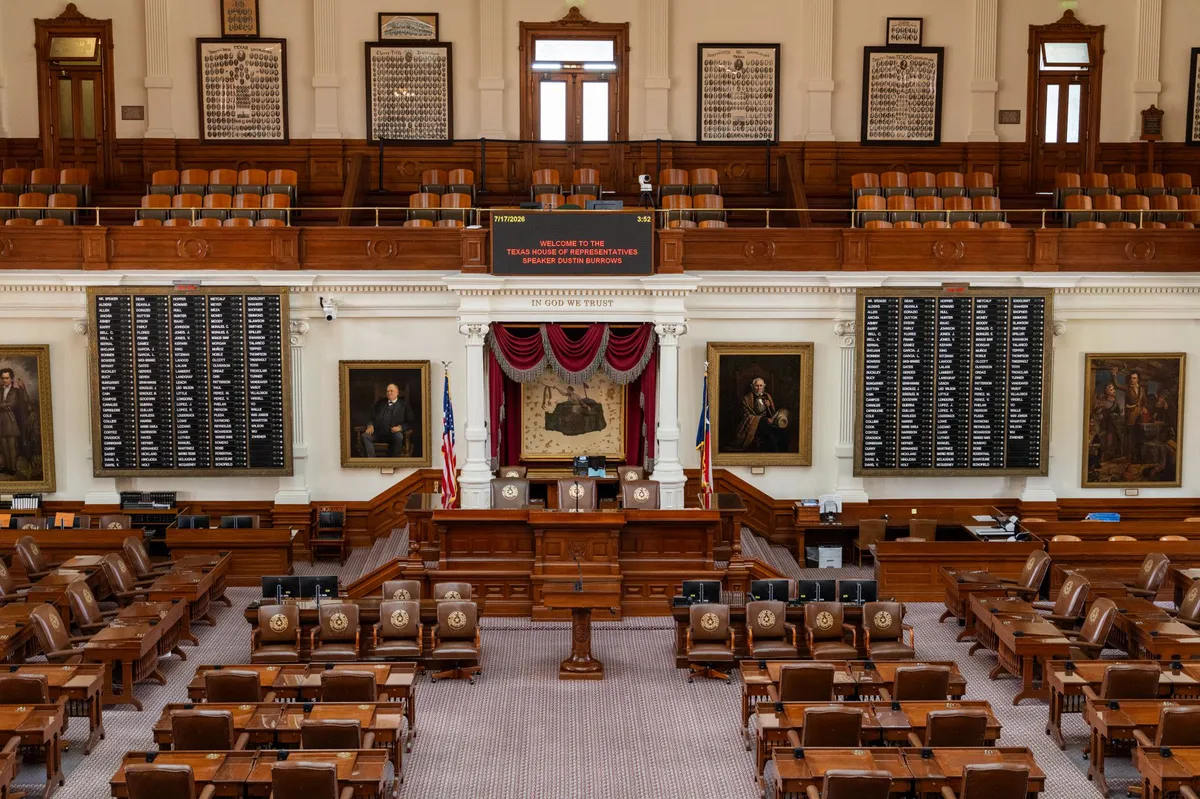
The California Legislative session is at a pivotal stage as lawmakers scramble to advance their proposed bills before the imminent deadline. With critical discussions unfolding in the state capitol, some legislation is finding its way to the Assembly floor, while others languish in the suspense file, often referred to as the ‘killing field’ by those well-versed in the intricacies of state politics.
State Senator Roger Niello, a Republican from Fair Oaks, succinctly captured the gravity of the situation when he remarked that bills stuck in the suspense file are essentially dead. On Thursday, Niello's legislation faced this harsh reality as several proposals with fiscal implications failed to pass through the Appropriations Committees, eliminating any chance they had of being voted on by the full Assembly or reaching the governor’s desk this session. As the Legislature races toward the August 31 deadline, many are focusing on the bills that have successfully navigated past the committee stage and are now poised for critical floor votes.
Law Enforcement and Immigration Legislation Under Scrutiny
Among the notable bills that have successfully passed through the Assembly Appropriations Committee is Senate Bill 1004, spearheaded by San Francisco Democrat Senator Scott Wiener. This legislation seeks to amend the No Secret Police Act, which was blocked earlier this year by a federal judge due to its failure to provide equal application across all law enforcement agencies. If enacted, SB 1004 would prohibit state law enforcement from wearing masks, thereby increasing transparency and accountability.
Wiener expressed optimism about his legislative agenda, stating that several of his bills are designed to empower Californians, particularly in holding federal officials accountable for rights violations. In addition to SB 1004, other significant bills related to law enforcement and immigration are also advancing:
- Assembly Bill 2624: Expands the Safe at Home program to include immigration support services, originally designed to protect domestic violence victims by keeping their addresses confidential.
- Senate Bill 1105: Prohibits state authorities from entering agreements that may lead to racial or identity profiling.
- Assembly Bill 1537: Prevents certain police officers from taking secondary employment that involves federal immigration enforcement.
- Assembly Bill 1994: Requires law enforcement to inform crime victims about federal immigration relief options.

Education Bills Addressing Modern Challenges
In addition to law enforcement proposals, several education bills have gained traction in recent weeks. A significant piece of legislation is Assembly Bill 1729, championed by Assemblymember Alex Lee, which mandates that state agencies provide written justification for requiring employees to work in person. This bill aims to promote telework as a viable option, reflecting evolving workplace norms in the wake of the COVID-19 pandemic.
Another important bill, Assembly Bill 1709, aims to protect children by prohibiting social media platforms from allowing accounts for individuals under 16 years old if they employ addictive algorithms. This legislation, led by Long Beach Democrat Assemblymember Josh Lowenthal, also proposes the establishment of an e-Safety Advisory Commission to oversee these measures.
Furthermore, Senate Bill 608, introduced by Senator Caroline Menjivar, seeks to regulate condom distribution in schools, allowing only educational or public health programs to provide access to students in grades seven through 12. This bill highlights ongoing debates over sexual health education and the role of schools in addressing these sensitive issues.

Impact on Food Industry and Media Outlets
Assemblymember Jesse Gabriel’s Assembly Bill 2244 has also garnered attention, proposing a “California certified” seal for food manufacturers that meet specific health criteria, particularly regarding the processing of foods. Grocery stores with significant revenue would be required to prominently display these certified products, encouraging healthier consumer choices.
Moreover, Assembly Bill 2222, led by Assemblymember Chris Ward, aims to support local journalism by providing tax credits for qualifying media outlets. This bill proposes financial incentives for the hiring of journalists, reflecting a growing concern over the sustainability of local news organizations in the digital age.

Legislative Failures: A Look at Bills That Didn’t Make the Cut
As many bills advance, over 200 others have failed to meet the critical deadline. Among these is Assembly Bill 1644, which sought to limit cellphone use among students in transitional kindergarten through eighth grade. This failure underlines the challenges lawmakers face in addressing the complexities of modern education and technology.
The legislative process is fraught with competition and negotiation, and the suspense file serves as a stark reminder of the harsh realities legislators encounter. Bills that fail to demonstrate bipartisan support or significant public interest often find themselves sidelined, unable to contribute to the evolving legal landscape.
Key Takeaways
- California's legislative session is approaching its August 31 deadline. Key bills related to law enforcement, immigration, and education are advancing, while others face rejection.
- Transparency in law enforcement is a significant focus. New bills aim to improve accountability and limit racial profiling.
- The education sector is adapting. Measures addressing telework and children's social media use reflect changing societal norms and concerns.
- Support for local journalism is gaining momentum. Tax incentives for media outlets aim to bolster the struggling news industry.
Frequently Asked Questions
What is the suspense file in the California Legislature?
The suspense file is essentially a holding area for bills that may have significant fiscal implications. Bills placed in this file are reviewed by the Appropriations Committees, where they can be deemed too costly to advance, effectively killing them if they fail to pass out of committee.
What are the key issues addressed by the recently passed bills?
Recent bills address a range of critical issues, including law enforcement accountability, immigration rights, public health initiatives, and educational reforms. By targeting these areas, lawmakers aim to respond to pressing societal needs and promote transparency and equity.
How do failed bills impact the legislative process?
Failed bills highlight the competitive nature of the legislative process. They can indicate areas of contention among lawmakers and reveal the challenges of garnering support for certain issues. Additionally, these failures can serve as a learning opportunity for future legislative efforts.
What should constituents do to stay informed about legislative changes?
Constituents should actively engage with their representatives, follow legislative news, and participate in public discussions about proposed bills. By staying informed, citizens can advocate for issues important to them and influence the legislative process.
Disclaimer: This content is general information, not legal advice.
Comments
Nigel Farage Triumphs in Clacton Amid Financial Scrutiny
Nigel Farage secures a parliamentary seat in Clacton, defeating Count Binface in a special election while facing ongoing financial investigations. Despite his victory, concerns linger about his party's declining national support.
Related articles






Popular in Business Law
- Supreme Court Justices' Financial Disclosures: A Closer Look
- Vishal Garg's Leadership Fallout: The Rise and Fall of Better.com
- Former Intelligence Official Faces Penalty for Post-Government Misconduct
- Blank Rome Faces Lawsuit After Major Data Breach Exposes Personal Information
- Congress Faces Reckoning Over Member-Staff Relationships