Nevada Judge Dismisses Case Against 2020 Fake Electors: What It Means
A Nevada judge has dismissed the case against six Republicans accused of submitting false electoral votes in the 2020 election. This ruling highlights broader legal challenges faced by similar cases across the U.S.
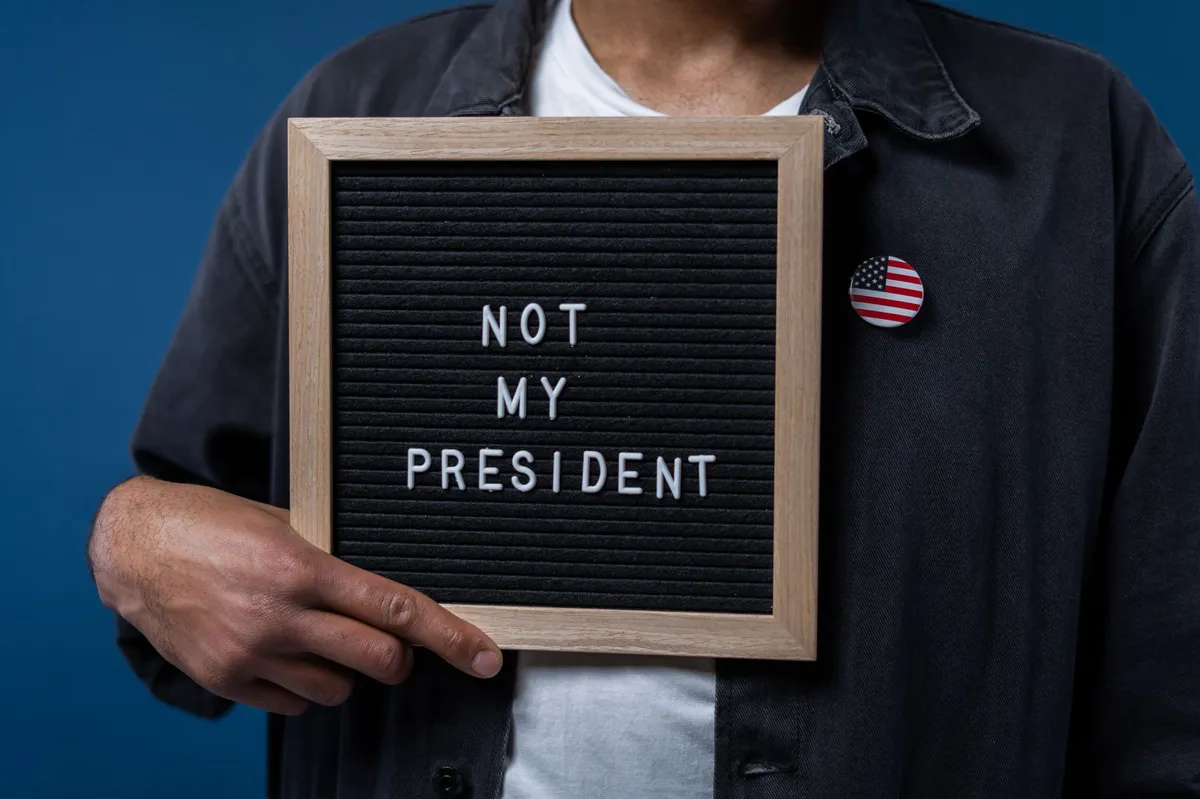
The legal landscape surrounding the 2020 presidential election continues to evolve, with a recent ruling in Nevada marking another chapter in this complex saga. A judge has dismissed the case against six Republican electors who were accused of submitting a forged certificate declaring Donald Trump the winner of the state’s electoral votes. This decision not only affects the defendants—who included prominent figures in the Nevada Republican Party—but also reflects broader challenges in prosecuting similar cases across the nation. As the dust settles, it raises critical questions about the rule of law, electoral integrity, and the implications for future elections.
On a Thursday in early October, Judge Mary Kay Holthus ruled that the prosecution failed to prove that the defendants intended to deceive, leading to the dismissal of charges including forgery and offering a false instrument for filing. This ruling adds to a series of legal setbacks faced by several states attempting to hold individuals accountable for actions taken in the aftermath of the contentious 2020 election. With similar cases dismissed in Arizona, Michigan, and Georgia, the dismissal in Nevada underscores a growing trend in the judiciary's reluctance to pursue charges against individuals acting in what they claim was a political capacity.
Background on the Fake Electors Scheme
The events leading to the case stem from the 2020 presidential election, where Joe Biden won Nevada by over 30,000 votes. Despite this clear outcome, a group of six Republican electors gathered outside the Nevada Legislature to sign a certificate stating that the state’s electoral votes should go to Trump. This act was broadcast online, and the footage became a focal point in the subsequent legal proceedings.
Prosecutors argued that the electors intended for their actions to be mistaken for legitimate electoral votes that then-Vice President Mike Pence would count on January 6, 2021, during Congress's certification of the electoral college results. However, the defendants claimed their actions were a form of “political theater,” maintaining that they were merely asserting their rights to challenge perceived electoral irregularities without any intent to deceive.
Legal Implications and Context
Judge Holthus's ruling hinged on two key findings: a lack of evidence suggesting the defendants had fraudulent intent and the failure of the state to present exculpatory evidence to the grand jury. This decision highlights a significant legal principle: the burden of proof lies with the prosecution to demonstrate intent beyond a reasonable doubt. In her ruling, Holthus noted, “The fact that Defendants openly announced both their actions and their asserted purpose, rather than concealing their conduct, weighs against a reasonable inference that they acted with fraudulent intent.”
This dismissal is not an isolated incident. Similar cases in Arizona, Michigan, and Georgia have faced legal hurdles, often leading to dismissals due to procedural issues or insufficient evidence. For instance, Arizona Attorney General Kris Mayes has expressed intentions to revive her office’s case against fake electors, indicating a strategic maneuver to reset legal proceedings in light of prior setbacks.
The Political Landscape
The Nevada case is particularly noteworthy given the political implications woven into the fabric of the judiciary's decisions. The defendants included high-profile Republican figures like Michael McDonald, the chair of the Nevada Republican Party. Their defense attorney characterized the prosecution's actions as politically motivated, suggesting that the Attorney General's office, led by Democratic Aaron Ford, was engaging in a partisan effort rather than pursuing justice. Ford's office plans to appeal the ruling, which could extend the legal battle.
This situation has the potential to affect not only the individuals involved but also the broader political climate as the 2024 elections approach. With ongoing debates about electoral integrity and the legitimacy of election outcomes, the dismissal of these cases may embolden similar actions in the future, potentially leading to further challenges in maintaining electoral order.
Broader Trends in Judicial Responses
Across the United States, courts have displayed a cautious approach in handling cases related to the 2020 election, especially those involving alleged fraudulent activities by electors. The dismissals serve as a reminder of the high legal threshold required to prove intent in criminal cases.
- Judicial Reluctance: Many courts have shown hesitance to prosecute cases that can be interpreted as politically charged, often leading to dismissals.
- Importance of Intent: Proving intent is crucial; without clear evidence, cases may not withstand judicial scrutiny.
- Political Ramifications: The intertwining of legal and political elements complicates the prosecution of election-related cases.
Several of these cases were dismissed not only due to lack of evidence but also because of the legal complexities surrounding the actions of the defendants. For instance, in Michigan, a similar case faced dismissal due to jurisdictional issues, while in Georgia, the legal arguments revolved around the nature of the electors' actions during the electoral process.
Key Takeaways
- The Nevada case against six Republican electors has been dismissed due to lack of evidence of intent to deceive.
- Similar cases across several states have faced similar outcomes, reflecting judicial reluctance to prosecute politically charged cases.
- The legal thresholds for proving intent in forgery cases are high, complicating prosecutions of alleged electoral fraud.
- The political implications of these rulings may influence future elections and the actions of potential electors.
Frequently Asked Questions
What was the basis for the dismissal of the Nevada fake electors case?
The dismissal was primarily based on the judge's finding that the prosecution failed to demonstrate that the defendants had fraudulent intent. Judge Holthus noted that the defendants openly announced their actions and purposes, which did not support the inference of intent to deceive government officials. Additionally, the state did not present exculpatory evidence to the grand jury, further weakening their case.
How does this ruling affect other similar cases across the country?
The ruling may serve as a precedent, influencing how similar cases are approached by courts in other states. With dismissals occurring in states like Arizona and Michigan, the reluctance of the judiciary to engage in politically charged prosecutions could deter further attempts to hold individuals accountable for actions taken under the guise of political expression. This trend raises questions about electoral integrity and the enforceability of laws governing electoral conduct.
What are the implications for future elections?
The dismissal of these cases may embolden individuals to engage in similar actions in future elections, potentially leading to increased political theater surrounding electoral processes. As the 2024 elections approach, the precedent set by these rulings could impact the willingness of individuals to challenge election results, raising concerns about the legitimacy of future electoral outcomes.
What can be expected from the appeal process?
As the Nevada Attorney General's office plans to appeal the ruling, the case may continue to evolve in the higher courts. The appeal process will scrutinize the lower court's findings regarding intent and the handling of evidence. Depending on the outcomes of the appeal, it could either reinforce or challenge the current legal landscape surrounding electoral fraud cases, with significant implications for the defendants and the broader political context.
Comments
Nigel Farage Triumphs in Clacton Amid Financial Scrutiny
Nigel Farage secures a parliamentary seat in Clacton, defeating Count Binface in a special election while facing ongoing financial investigations. Despite his victory, concerns linger about his party's declining national support.
Related articles





Popular in Business Law
- Supreme Court Justices' Financial Disclosures: A Closer Look
- Vishal Garg's Leadership Fallout: The Rise and Fall of Better.com
- Former Intelligence Official Faces Penalty for Post-Government Misconduct
- Blank Rome Faces Lawsuit After Major Data Breach Exposes Personal Information
- Congress Faces Reckoning Over Member-Staff Relationships