Sysco Halts Mexican Iceberg Lettuce Purchases Amid Cyclospora Outbreak
Sysco, the largest food distributor in the U.S., has suspended iceberg lettuce purchases from Mexico due to a Cyclospora outbreak linked to multiple illnesses and deaths. As federal health agencies investigate, the company prioritizes customer safety while navigating supply chain adjustments.
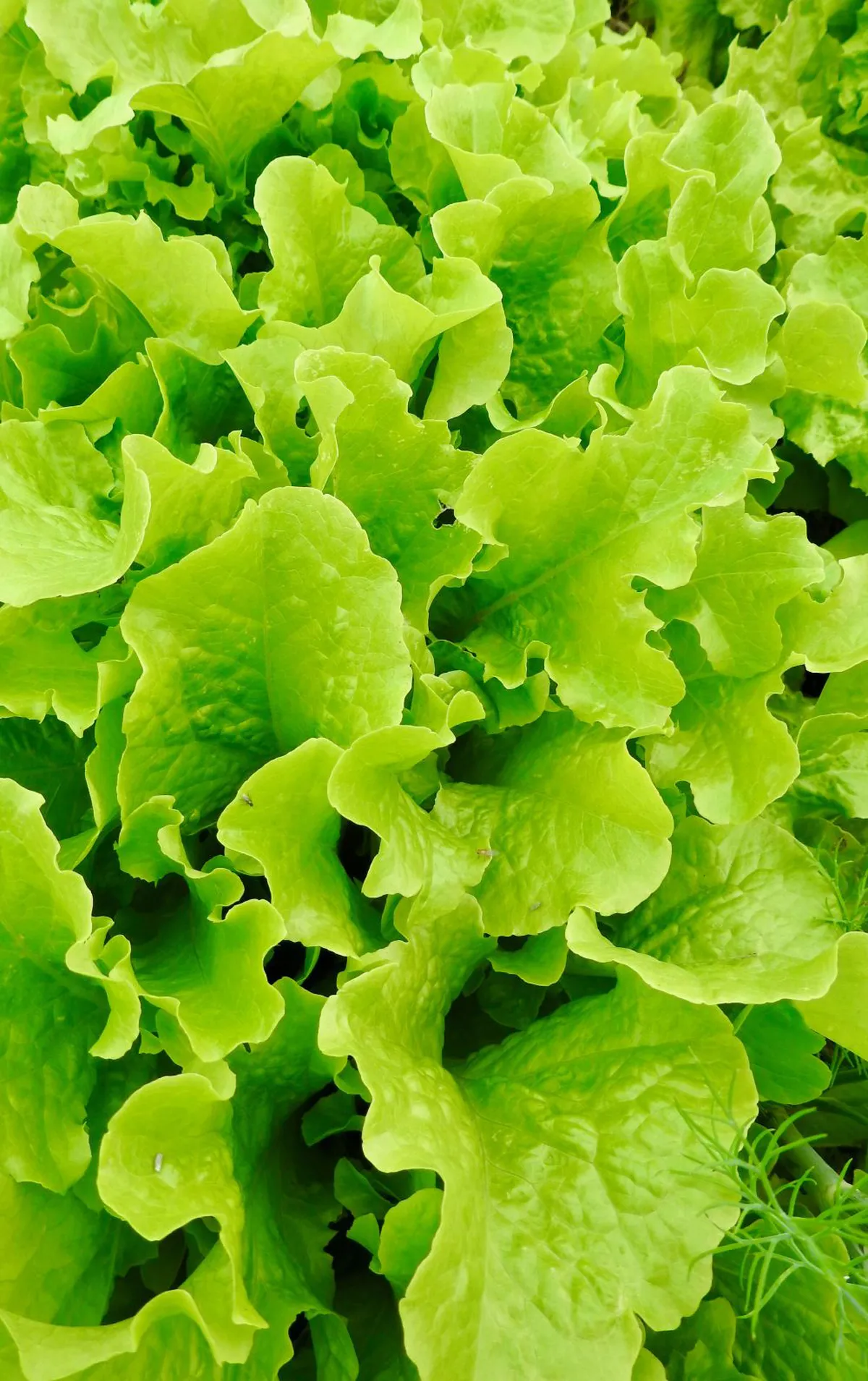
In a significant move reflecting the ongoing public health crisis, Sysco, the largest food distributor in the United States, has announced that it will cease all purchases of iceberg lettuce from Mexico. This decision comes amidst an active investigation into a widespread outbreak of Cyclospora, a parasite that has been linked to numerous gastrointestinal illnesses across several states. The outbreak has not only sickened over 11,000 individuals but has also tragically resulted in two confirmed deaths in Michigan, prompting urgent scrutiny from federal health authorities.
Kevin Hourican, CEO of Sysco, underscored the company's commitment to customer safety, stating that they will no longer sell or ship Mexican iceberg lettuce as the Food and Drug Administration (FDA) and the Centers for Disease Control and Prevention (CDC) continue their investigation. The decision is particularly impactful given that Sysco plays a crucial role in the supply chain of food products across the nation. As health officials work to determine the source of the contamination, Sysco has proactively removed affected products from its supply chain, including those already linked to the Taylor Farms brand.
The Cyclospora Outbreak: A Growing Concern
Cyclospora is a microscopic parasite that causes an intestinal infection known as cyclosporiasis. This infection can lead to a range of symptoms, including:
- Watery diarrhea, which may last for weeks or months if untreated
- Stomach pain and bloating
- Nausea and loss of appetite
- Tiredness and weight loss
The illness is typically contracted through the consumption of contaminated food or water. While the CDC notes that deaths from Cyclospora are uncommon in the United States, the recent fatalities highlight the potential severity of the infection, especially among vulnerable populations such as the elderly and those with preexisting health conditions.

Investigative Efforts and Industry Response
The response to the outbreak has involved federal agencies collecting data and analyzing food records, supply chains, and other evidence to pinpoint the source of the contamination. Investigators suspect that the tainted produce may include iceberg lettuce or mixed salad greens; however, they have yet to confirm a specific grower or type of produce as the definitive source.
In a noteworthy development, Taylor Farms, which is a significant supplier of iceberg lettuce in the U.S., has issued a voluntary recall of certain iceberg lettuce products sold under its Taylor Fresh Foods and Marketside brands. Despite Taylor Farms questioning the validity of some findings by the FDA, the company has continued with the recall in light of the ongoing investigation. This highlights a critical aspect of food safety practices within the industry: the importance of consumer trust and proactive measures to mitigate risks.
Sysco's Shift in Supply Chain Strategy
As Sysco halts its purchases from Mexico, the company is pivoting its sourcing strategy by collaborating with other domestic suppliers. This shift is critical as the vast majority of Sysco’s iceberg lettuce supply had previously been sourced from Taylor Farms. Hourican acknowledged the challenges in replacing these products, stating that the company is working diligently to identify alternative sources while ensuring that customer safety remains the top priority.
This situation underscores the delicate balance that major food distributors must maintain between ensuring product availability and safeguarding public health. Sysco's decision to prioritize domestic sourcing may not only mitigate risks associated with the current outbreak but also support local farmers and stimulate the domestic agricultural economy.

Public Health Implications and Consumer Awareness
The Cyclospora outbreak has raised significant public health concerns, prompting health officials to urge consumers to remain vigilant. With thousands of reported cases, the potential for further spread exists if contaminated products continue to circulate. Consumers are advised to:
- Stay informed about recalls and outbreak updates from health authorities
- Practice safe food handling and preparation techniques
- Report any symptoms of gastrointestinal illness to healthcare providers
Moreover, health officials are emphasizing the importance of transparency within the food supply chain. Understanding where food comes from and how it is processed can empower consumers to make informed choices about their diets and reduce the risk of foodborne illnesses.
Conclusion: A Call for Vigilance and Accountability
The ongoing investigation into the Cyclospora outbreak serves as a stark reminder of the vulnerabilities inherent in our food supply chain. As federal agencies continue their work to determine the source of the contamination, the actions taken by Sysco and other companies in the food distribution sector underscore the necessity of prioritizing consumer safety above all else.
In the wake of this outbreak, it’s imperative for food distributors, suppliers, and consumers alike to engage in proactive dialogue about food safety practices. As the industry navigates these challenges, it also opens the door for policy discussions regarding food safety regulations and the need for improved tracking systems to quickly identify and address potential health risks in the future.
Key Takeaways
- Sysco has suspended purchases of Mexican iceberg lettuce amid a Cyclospora outbreak.
- The outbreak has sickened over 11,000 people and resulted in two deaths.
- Health officials continue to investigate the source of contamination.
- Consumers should stay informed about recalls and practice safe food handling.
Frequently Asked Questions
What is Cyclospora and how does it affect people?
Cyclospora is a parasite that causes an intestinal infection known as cyclosporiasis. Symptoms can include watery diarrhea, stomach pain, and nausea. The illness is primarily transmitted through contaminated food or water, making it crucial for consumers to be aware of food safety measures to minimize risk.
What should consumers do if they have symptoms of infection?
If consumers experience symptoms such as prolonged diarrhea, stomach pain, or other gastrointestinal issues, they should seek medical attention promptly. Early diagnosis and treatment are essential, especially for vulnerable populations who may face more severe complications.
How can I stay informed about food recalls and safety alerts?
Consumers can stay informed about food recalls by regularly checking the FDA and CDC websites, subscribing to alerts from health departments, and following news outlets that report on food safety issues. Awareness is key to protecting oneself from foodborne illnesses.
How does Sysco's decision impact the food supply chain?
Sysco's decision to halt purchases from Mexico will likely cause ripple effects throughout the food supply chain, particularly for suppliers like Taylor Farms. As Sysco seeks to re-establish its supply chain with domestic sources, there may be temporary disruptions in product availability, but this shift aims to prioritize consumer safety.
Comments
The Rise of AI-Native Law Firms: Transforming the Legal Landscape
Artificial intelligence is reshaping the legal industry with AI-native law firms on the rise. Explore how these firms leverage technology to enhance legal services and what it means for clients.

Related articles





Popular in Business Law
- Supreme Court Justices' Financial Disclosures: A Closer Look
- Vishal Garg's Leadership Fallout: The Rise and Fall of Better.com
- Former Intelligence Official Faces Penalty for Post-Government Misconduct
- Blank Rome Faces Lawsuit After Major Data Breach Exposes Personal Information
- Congress Faces Reckoning Over Member-Staff Relationships