Alaska's Primaries: A Political Landscape in Flux Amid Campaign Finance Battles
As Alaska prepares for its upcoming primary elections, significant changes in campaign finance and voting systems are stirring political intrigue and potential shifts in representation. This article delves into the implications of Ballot Measures and key races that could reshape Alaska's political future.
The Alaskan political landscape is gearing up for a tumultuous primary season, with implications that could reach far beyond its rugged borders. As voters prepare to head to the polls on August 18, 2026, the Last Frontier is not just another state in the Union; it's a battleground for ideas, policies, and the very mechanisms of democracy itself. With campaign finance measures in the spotlight and an unusual twist in the Senate race, the upcoming elections are shaping up to be pivotal.
While the Lower 48 states have long been known for their high-stakes lobbying and campaign spending, Alaska presents a different scenario. The state may have less money flowing into campaigns compared to more populous states like Michigan and New York, but the political dynamics at play are equally compelling. This year, influential figures such as billionaire Elon Musk are eyeing Alaska's voting system, potentially altering how elections are conducted in the state.
The New Voting System: Open Primaries and Ranked Choice
In 2020, Alaskan voters approved a landmark ballot measure introducing an open primary system and ranked-choice voting (RCV). This system allows all voters, regardless of party affiliation, to participate in primary elections, a significant departure from traditional party-based primaries. In the general election, voters can rank up to four candidates by preference, a method also adopted in Maine.
Despite its initial success, Alaska's ranked-choice system faced a fierce challenge in 2024, narrowly surviving a repeal effort by just 743 votes. This November, the same measure will return to the ballot, this time with substantial backing from powerful lobbying groups like the Aurora Action Committee, which is heavily funded by Musk and other affluent donors. If passed, this initiative would not only repeal the ranked-choice system but also weaken the state's campaign finance transparency laws, raising questions about the influence of money in politics.

Ballot Measure 1: A New Chapter in Campaign Finance
Alongside the ranked-choice initiative, Alaskans will also vote on Ballot Measure 1, which aims to amend campaign finance regulations for state and municipal races. Historically, Alaska has maintained relatively lax campaign contribution limits, a fact that has drawn scrutiny and legal challenges. Currently, there are no limits on individual contributions, allowing wealthy donors to exert considerable influence over elections.
If approved, Ballot Measure 1 would impose new caps on individual donations while simultaneously raising limits on donations from organizations. This dual approach raises significant concerns among advocates for campaign finance reform, who worry that it may further entrench the influence of money in politics.
High-Stakes Senate Race: Dan S. Sullivan vs. Mary Peltola
The Senate race in Alaska is drawing significant attention as both major parties vie for control. Incumbent Republican Senator Dan S. Sullivan faces a formidable challenge from former Democratic Representative Mary Peltola, who made history as the first Alaskan Native member of Congress.
Peltola's campaign has focused on criticizing Sullivan's policies, particularly his support for healthcare cuts and the impact of rising gas prices attributed to national economic policies. Her staff contends that Sullivan's voting record has disproportionately harmed rural Alaskans, a critical voter demographic.
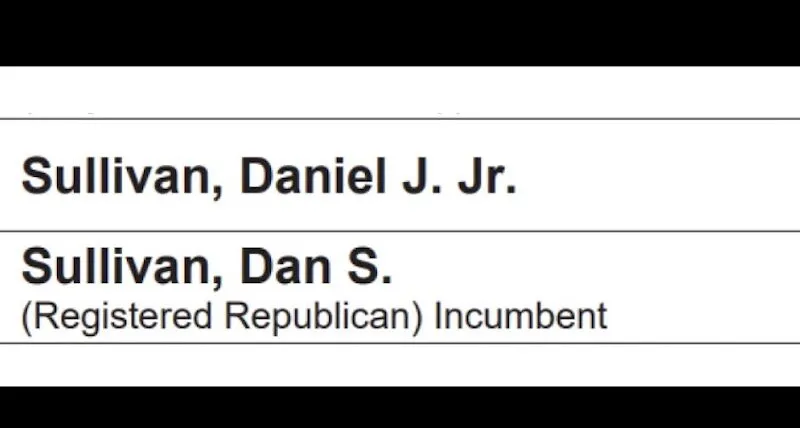
Adding an intriguing twist to the race is Dan J. Sullivan, a fisherman and retired teacher who shares a name with the incumbent. Initially barred from the ballot, he successfully challenged the Alaska Division of Elections, securing his place as a Republican candidate. Although his party affiliation will not appear on the ballot, his candidacy raises questions about voter confusion and the dynamics of name recognition in elections.

House Race: A Battle for Alaska's Sole Congressional Seat
In addition to the Senate race, Alaska's single seat in the U.S. House of Representatives is also up for grabs. Currently held by Nick Begich III, a Republican who aligns closely with former President Trump, the seat is critical for both parties.
With the withdrawal of Democrat Matt Schultz, independent candidate Bill Hill has emerged as Begich's most significant challenger. Hill emphasizes his working-class roots and commitment to addressing the concerns of rural Alaskans, positioning himself as a candidate who will prioritize the needs of his constituents over corporate interests.
Speaker of the House Mike Johnson has actively campaigned for Begich, further complicating the race dynamics. The presence of an independent candidate like Hill could split the vote, potentially paving the way for a surprising outcome.

The Gubernatorial Race: A Shift in Leadership?
As Alaska's Republican Governor Mike Dunleavy nears the end of his term, a host of candidates are vying to succeed him. Tom Begich, a former state senator and uncle to Nick Begich, is gaining traction among moderate voters, while progressive Democrats rally around Jonathan Kreiss-Tomkins, who has made education and healthcare central to his campaign.
Kreiss-Tomkins' grassroots efforts have taken him across the state, emphasizing the importance of engaging with communities in remote areas. His campaign strategy reflects a generational shift in Alaska politics, mirroring trends seen across the Lower 48 states.
On the Republican side, a diverse group of candidates, including former state senator Click Bishop, Air Force veteran Dave Bronson, and businesswoman Bernadette Wilson, are competing for a chance to secure the nomination. Each candidate offers distinct perspectives on how to address the challenges facing Alaskans, from economic hardships to healthcare access.
Key Political Dynamics in Anchorage
As home to nearly half of Alaska's population, Anchorage serves as a pivotal focal point during election season. The city's voters play a crucial role in shaping the outcomes of statewide races. Local voter Joyce Bovée, showcasing her Alaskan Native heritage, emphasized the importance of local culture and representation in the political discourse.
With a mix of candidates vying for various offices, the upcoming primary elections in Alaska will not only determine who appears on the ballot in November but will also set the stage for the future of the state's political direction. Voter engagement, campaign finance dynamics, and the unique challenges faced by Alaskans will all play critical roles in shaping the outcome.

Key Takeaways
- Open Primaries and RCV: Alaska's voting system allows all voters to participate in primaries, with ranked-choice voting in the general election.
- Significant Measures on the Ballot: Ballot Measure 1 and the ranked-choice repeal initiative could reshape campaign finance and voting practices in the state.
- Competitive Senate Race: Incumbent Dan S. Sullivan faces challenges from Mary Peltola and Dan J. Sullivan, highlighting the complexities of name recognition.
- House Race Dynamics: Nick Begich III, Bill Hill, and their differing approaches to addressing Alaskan issues will be pivotal.
- Gubernatorial Candidates: A diverse field is emerging for the gubernatorial race, reflecting a range of political ideologies and priorities.
Frequently Asked Questions
What is ranked-choice voting, and how does it work in Alaska?
Ranked-choice voting (RCV) allows voters to rank candidates in order of preference rather than voting for just one candidate. In Alaska, voters can rank up to four candidates in statewide elections. If no candidate receives a majority of first-choice votes, the candidate with the least votes is eliminated, and their votes are redistributed based on voters' next preferences until one candidate achieves a majority. This system aims to ensure that the winning candidate has broader support among voters.
How does campaign finance work in Alaska?
Campaign finance in Alaska has historically been characterized by fewer restrictions compared to many other states. Currently, there are no limits on individual contributions to candidates, which has led to concerns about the influence of wealthy donors on elections. Proposed measures, such as Ballot Measure 1, seek to impose new contribution limits and alter existing regulations, which could significantly impact how campaigns are financed and the transparency of funding sources.
What are the key issues influencing the upcoming elections in Alaska?
Key issues influencing the elections include healthcare access, rising costs of living, economic development, and campaign finance reform. Candidates are addressing these concerns in various ways, with some emphasizing the need for transparency and accountability in government, while others focus on local economic development and the impact of national policies on Alaskan communities.
Who are the major candidates to watch in the upcoming elections?
In the Senate race, incumbent Dan S. Sullivan and challenger Mary Peltola are key candidates, while Dan J. Sullivan adds an interesting dynamic. In the House race, Nick Begich III faces off against Bill Hill, an independent candidate. The gubernatorial race features several candidates, including Tom Begich, Jonathan Kreiss-Tomkins, and a variety of Republican contenders, each vying to address the pressing issues facing Alaskans.
Comments
The Rise of AI-Native Law Firms: Transforming the Legal Landscape
Artificial intelligence is reshaping the legal industry with AI-native law firms on the rise. Explore how these firms leverage technology to enhance legal services and what it means for clients.

Related articles






Popular in Business Law
- Supreme Court Justices' Financial Disclosures: A Closer Look
- Vishal Garg's Leadership Fallout: The Rise and Fall of Better.com
- Former Intelligence Official Faces Penalty for Post-Government Misconduct
- Blank Rome Faces Lawsuit After Major Data Breach Exposes Personal Information
- Congress Faces Reckoning Over Member-Staff Relationships