Todd Blanche Confirmed as Attorney General Amid Controversy and Concerns
The Senate has confirmed Todd Blanche as Attorney General in a contentious vote that reveals deep divisions over his loyalty to Trump and the future direction of the Justice Department. As he takes the helm, questions loom about his ability to maintain the department's independence.

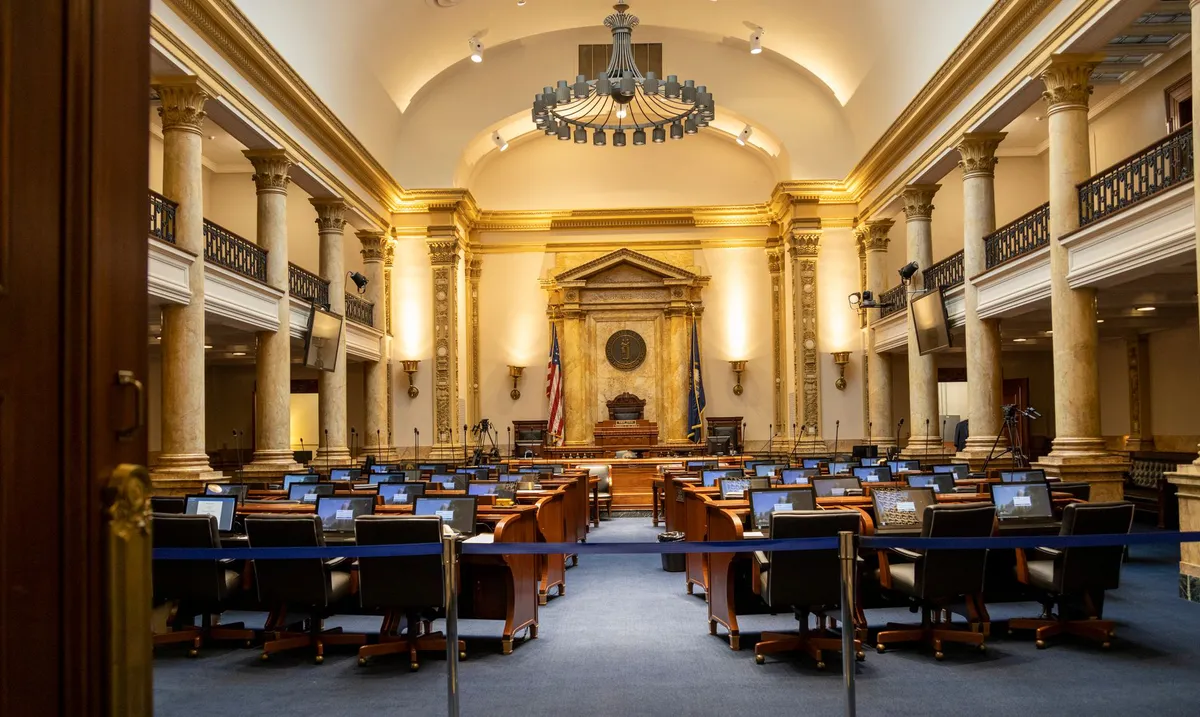
The early hours of Saturday morning marked a pivotal moment in American politics as the Senate narrowly confirmed Todd Blanche as the Attorney General of the United States. With a vote tally of 50-49, Blanche's confirmation not only solidifies his role as the second confirmed Attorney General since President Donald Trump’s return to the White House but also raises significant questions about the future direction of the Department of Justice (DOJ). This confirmation comes in the wake of a political landscape fraught with tension and division, compelling many to scrutinize Blanche's loyalty to Trump and the implications for the Justice Department's independence.
Blanche, who previously served as Trump’s personal attorney, expressed his gratitude on social media, stating he was "deeply honored by the trust and confidence President Trump has placed in me" and thanked senators for their late-night efforts to secure his nomination. However, this seemingly straightforward confirmation process was anything but simple, revealing the underlying fractures within both the Republican and Democratic parties regarding the integrity of one of the nation’s most crucial law enforcement agencies.
Controversial Path to Confirmation
The road to Blanche's confirmation was strewn with hurdles, primarily due to bipartisan concerns over his close ties to Trump. Notably, the nomination faced fierce opposition from Democratic senators and two Republican senators, Susan Collins of Maine and Lisa Murkowski of Alaska, who expressed their apprehensions about placing a staunch Trump ally at the helm of a department that has historically been seen as independent from political influence.
One of the most contentious issues influencing the vote was a controversial settlement related to Trump's lawsuit against the Internal Revenue Service, which proposed a staggering $1.8 billion compensation fund aimed at supporting Trump's allies, some of whom participated in the January 6 Capitol riots. In response to mounting pressure from Senate Republicans, Blanche publicly committed to abandoning this compensation fund, a move that ultimately swayed Senator Bill Cassidy's vote, tipping the scales in favor of his confirmation.
Key Concerns Raised
- Bipartisan Skepticism: Concerns about Blanche's loyalty to Trump led to skepticism among both Republicans and Democrats.
- Controversial Settlement: The proposed $1.8 billion fund for Trump's allies was a major sticking point in the confirmation process.
- Independence of the DOJ: Critics worry about the implications of having a Trump loyalist leading the Justice Department.
Senator Dick Durbin, the top Democrat on the Senate Judiciary Committee, articulated a prevailing fear among opponents, warning that confirming Blanche would be a "serious mistake" and urging his colleagues to consider the historical implications of their decision. He emphasized the urgent need for an Attorney General committed to integrity and accountability in a time when public trust in government is precariously low.
Blanche's Background and Judicial Philosophy
Blanche's ascent to the Attorney General position is rooted in a career that has been closely intertwined with Trump’s legal battles. Before his confirmation, Blanche served as a federal prosecutor in New York, gaining recognition for his role in high-profile cases. His tenure as Trump’s lead attorney during various legal challenges, including criminal charges brought against the former president, has raised questions about whether his loyalty to Trump will compromise the DOJ's integrity.
As Deputy Attorney General under Pam Bondi, who Trump fired, Blanche took charge of the DOJ's day-to-day operations, often becoming the public face for contentious issues, such as the release of investigative files related to Jeffrey Epstein. Critics have accused him of prioritizing loyalty to Trump over impartiality, thereby reshaping the DOJ's culture and staffing through a series of firings and resignations.
Supporters vs. Critics
While Blanche has garnered support from some Republican senators who argue his experience makes him uniquely qualified to manage the DOJ under Trump’s agenda, many Democrats remain unconvinced. Proponents point to Blanche's previous efforts to combat violent crime and illegal immigration as indicators of his capability, while detractors argue that his past actions reflect a troubling trend towards politicization within the Justice Department.
The Future of the Department of Justice
As Blanche steps into his new role, the questions surrounding his ability to maintain the DOJ’s independence loom large. The precedent set by his confirmation raises concerns about the potential for the DOJ to be utilized as a tool for political retribution rather than a bastion of justice. The department's autonomy has been a cornerstone of American democracy, and Blanche's close ties to Trump have led many to fear that the agency may be compromised.
Shortly after taking office, Blanche's DOJ moved to indict former FBI Director James Comey on charges stemming from a social media post that critics argue is a politically motivated attack. This has only intensified speculation about whether Blanche will pursue investigations into Trump's perceived enemies or focus on upholding the rule of law. Legal experts and political analysts will be closely monitoring his actions in the coming months as he navigates the complexities of leading a department that plays a critical role in American governance.
Key Takeaways
- Todd Blanche's confirmation: Confirmed as Attorney General with a narrow 50-49 vote amid bipartisan concerns.
- Controversial settlements: His handling of Trump's proposed compensation fund raised significant red flags.
- Future implications: Blanche’s close ties to Trump could impact the DOJ's independence and integrity.
Frequently Asked Questions
What does Todd Blanche's confirmation mean for the Justice Department?
Todd Blanche's confirmation as Attorney General signifies a potential shift in the Justice Department's approach to law enforcement under the Trump administration. His close ties to Trump may lead to an increased focus on investigating political opponents and advancing the president's agenda, raising concerns about the department's independence and accountability.
What were the main controversies surrounding Blanche's nomination?
The primary controversies included his loyalty to Trump, a proposed $1.8 billion compensation fund for Trump's allies, and concerns about the politicization of the DOJ. The deal to abandon the compensation fund was crucial for securing the necessary votes for his confirmation.
How might Blanche's tenure affect ongoing investigations?
Blanche's leadership could significantly impact ongoing investigations, particularly those involving Trump’s political opponents. His prior experience as Trump’s defense attorney may influence how aggressively he pursues investigations, leading to speculation about potential biases in decision-making within the DOJ.
What should citizens know about the implications of Blanche's confirmation?
Citizens should be aware that Blanche's confirmation could affect the integrity of the Justice Department, traditionally seen as an independent body. The potential for political influence in law enforcement decisions could undermine public trust and the rule of law, making it crucial for the public to remain vigilant and informed about the department's actions moving forward.


Comments
Senate Passes Short-Term Funding Bill to Prevent Government Shutdown
In a proactive move, the Senate has approved a short-term funding bill to keep federal agencies operational into December, aiming to avert a government shutdown ahead of the election season. This bipartisan decision reflects lessons learned from past shutdowns and includes contentious provisions regarding hemp regulations and federal grant oversight.
Related articles

Popular in Business Law
- Supreme Court Justices' Financial Disclosures: A Closer Look
- Vishal Garg's Leadership Fallout: The Rise and Fall of Better.com
- Former Intelligence Official Faces Penalty for Post-Government Misconduct
- Blank Rome Faces Lawsuit After Major Data Breach Exposes Personal Information
- Congress Faces Reckoning Over Member-Staff Relationships