Senate Passes Short-Term Funding Bill to Prevent Government Shutdown
In a proactive move, the Senate has approved a short-term funding bill to keep federal agencies operational into December, aiming to avert a government shutdown ahead of the election season. This bipartisan decision reflects lessons learned from past shutdowns and includes contentious provisions regarding hemp regulations and federal grant oversight.
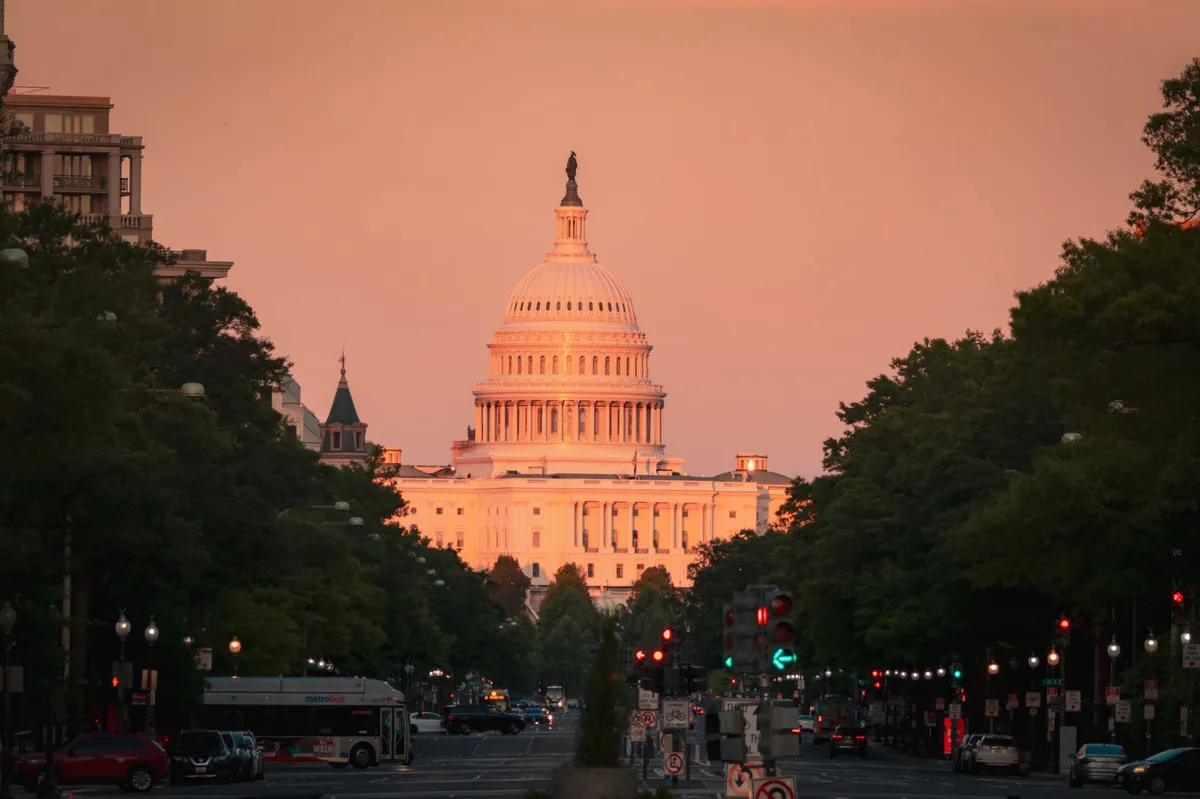
In a significant and proactive legislative move, the Senate voted overwhelmingly in favor of a short-term funding bill designed to keep the federal government operational until early December. The 90-6 vote reflects a concerted effort by lawmakers to avoid the operational chaos that often accompanies government shutdowns, particularly as the nation approaches a pivotal election season.
This early action is noteworthy. Historically, Congress has tended to postpone such critical funding decisions until the final hours, leading to last-minute negotiations and heightened tensions. However, in light of recent experiences with two historic shutdowns earlier this year, senators opted to address funding issues with ample time to spare before the September 30 fiscal year deadline.
Bipartisan Support for Funding Measures
Senate Majority Leader John Thune emphasized the importance of resolving funding matters before senators disperse for the upcoming five-week recess, allowing them to focus on their re-election campaigns. The bill, which secures funding at current levels through December 11, incorporates various provisions that were carefully negotiated with the White House.
Among the key components of the bill is a stipulation prohibiting any funds from being redirected to the Border Patrol, a demand successfully pushed by Senate Democrats. Additionally, the administration's request for $1 billion to begin work on a new “Trump-class” battleship was also turned down, highlighting the contentious nature of some funding requests.
Senate Democratic leader Chuck Schumer was vocal in his criticism of the battleship funding, stating, “The only person who wants these golden ships is Donald Trump so he can slap his name on them.” This comment encapsulates the political friction that often surrounds budgetary discussions.

Contentious Hemp Regulation Included in Bill
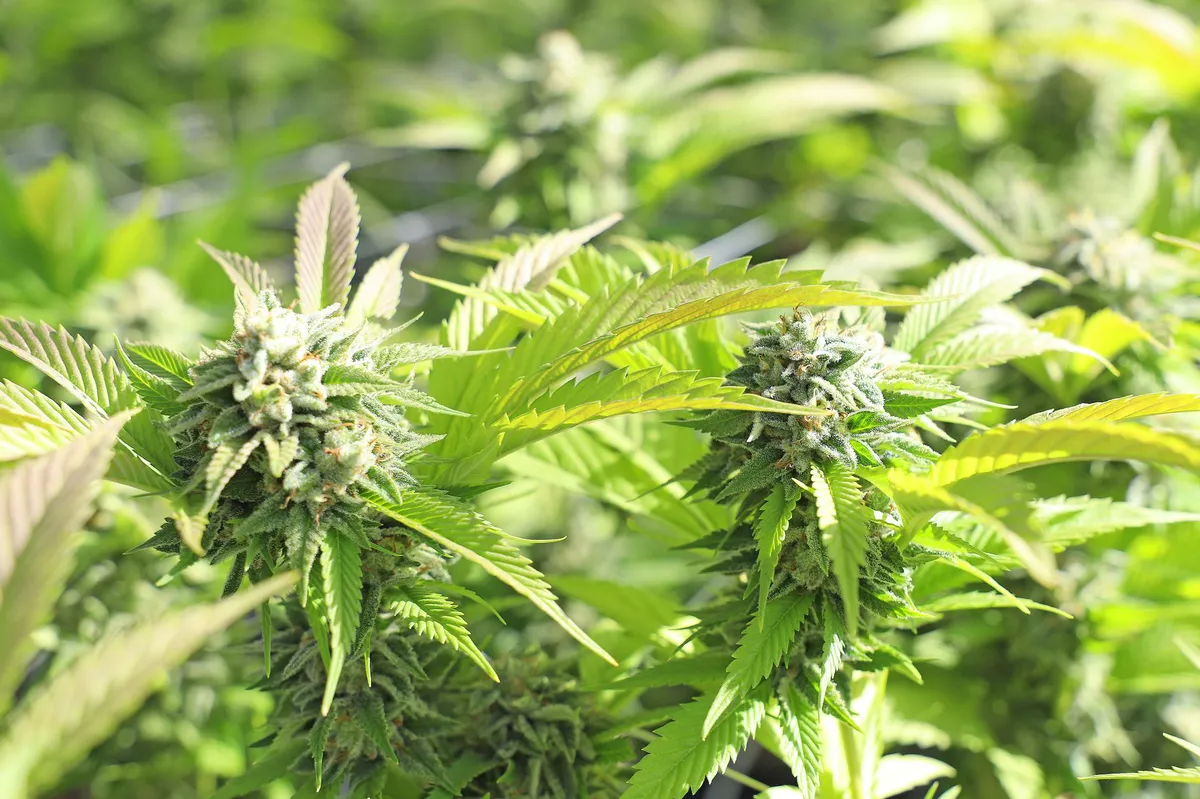
One of the more controversial aspects of the funding bill is the inclusion of a provision that delays a national ban on most intoxicating hemp products. This delay, which pushes back the implementation for one month, has sparked outrage among some Senate Republicans. They argue that the increase in availability of these products has led to a surge in emergency room visits among minors, raising serious public health concerns.
Emergency Room Visits on the Rise
Senator Ted Budd from North Carolina cited alarming statistics, noting that cannabis-related emergency room visits by minors have increased nearly tenfold since 2017 in his state. Budd referred to the situation as a “public health crisis” and called for immediate Senate action. He stated, “Our children should never be the testing ground for an industry willing to exploit a loophole in federal law for profit.”
In contrast, advocates from the hemp industry believe that the delay will provide Congress with the necessary time to develop comprehensive legislation that not only safeguards the interests of hemp farmers but also implements protective measures for consumers, particularly children. The contrasting perspectives on this issue underscore the complexities involved in regulating emerging industries.
Federal Grant Regulation Delays
Another significant aspect of the funding bill is its provision to halt the implementation of new regulations regarding federal grants. This measure, supported by Democratic lawmakers and Senator Susan Collins from Maine, aims to prevent a requirement that would necessitate a senior political appointee's review of grants before they are awarded. Proponents of this provision argue that it could be an attempt to politicize grant allocations, potentially undermining funding for Democratic-leaning states.
Concerns Over Accountability
Critics, such as Senator Patty Murray, who serves on the Senate Appropriations Committee, expressed concerns that the proposed regulations were not about improving the efficiency of taxpayer dollars but rather about serving the political interests of the Trump administration. Meanwhile, the White House Office of Management and Budget claims that their initiative focuses on enhancing accountability to prevent misuse of taxpayer funds. The debate surrounding these regulations is likely to continue as both parties prepare for negotiations on a full-year spending measure.
Senator Collins highlighted the overwhelming public opposition to the proposed grant regulations, stating, “I don’t think in my time that I’ve been privileged to serve in the Senate that I have ever seen a proposed rule generate that many negative comments.” This sentiment reflects a broader concern regarding transparency and accountability in government spending.
What This Means for the American Public
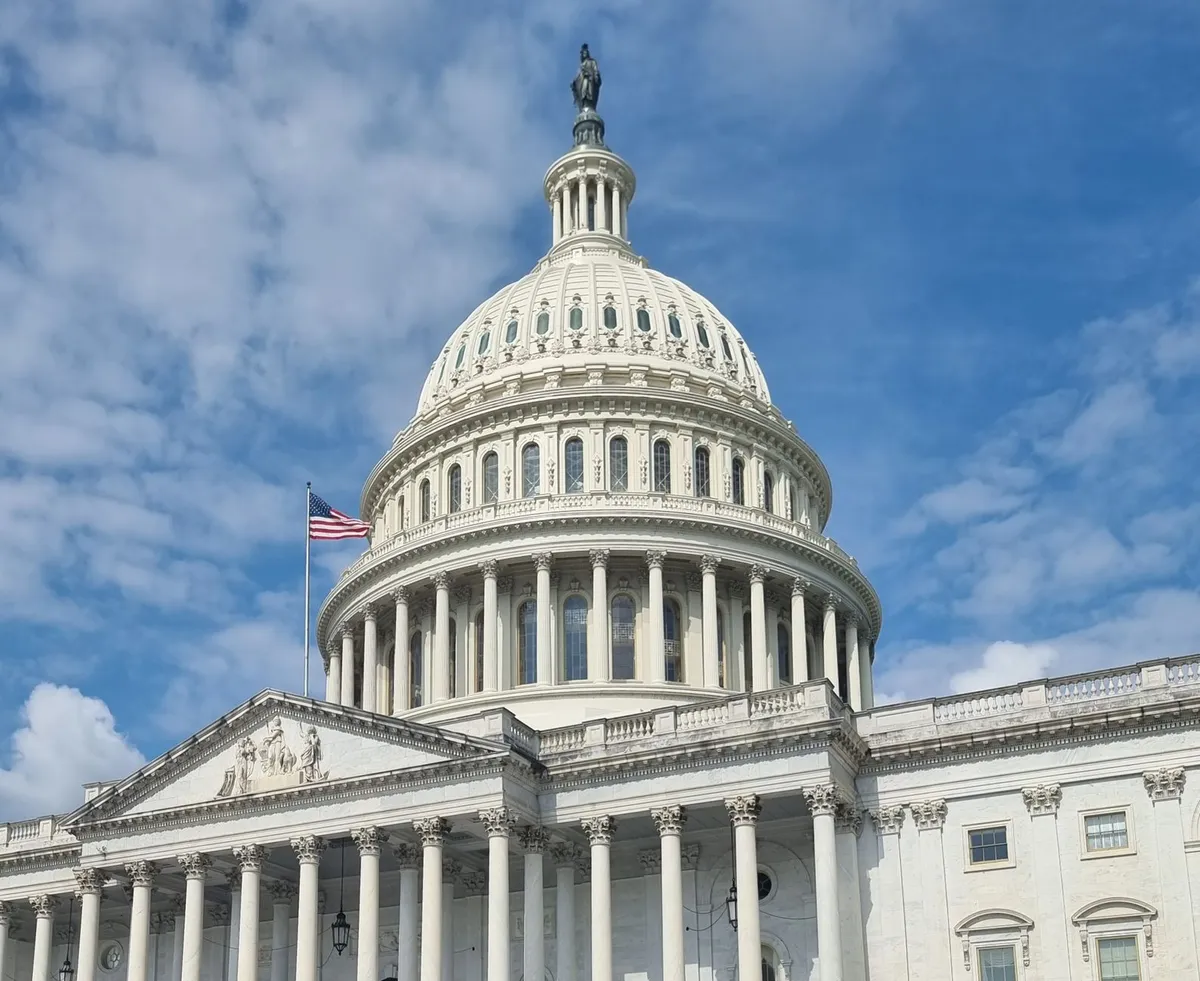
The Senate's decision to pass this short-term funding bill carries significant implications for the American public, particularly in the context of the upcoming elections. With federal agencies now funded through early December, the likelihood of a government shutdown during a politically sensitive period has been reduced. This proactive approach not only alleviates immediate concerns about federal operations but also allows lawmakers to focus their attention on campaigning and connecting with their constituents.
Moreover, the ongoing debates surrounding hemp regulation and federal grant oversight highlight the complex interplay between emerging industries, public health, and political agendas. As lawmakers navigate these contentious issues, the outcomes will likely influence not only the future of hemp products but also the allocation of federal resources across various states.
Key Takeaways
- The Senate passed a funding bill to avert a government shutdown until December 11.
- Bipartisan support reflects a desire to avoid chaos before the election season.
- Contentious provisions include a delay on hemp product bans and new federal grant regulations.
- The focus on public health related to hemp products underscores the need for effective regulation.
- The ongoing negotiations will shape future funding and regulatory landscapes.
Frequently Asked Questions
What are the implications of the Senate's funding bill for federal agencies?
The funding bill approved by the Senate ensures that federal agencies will continue to operate without interruption until December 11, 2023. This provides stability in government operations and allows for the continuation of essential services without the threat of a shutdown, which can disrupt public services and affect millions of Americans.
Why was the hemp regulation included in the funding bill?
The inclusion of hemp regulation in the funding bill arose from concerns about the rising availability of intoxicating hemp products and their potential impact on public health, particularly among children. The delay in implementing a national ban allows Congress to consider more comprehensive legislation that balances the interests of the hemp industry with necessary consumer protections.
What are the potential consequences of the proposed federal grant regulations?
The proposed federal grant regulations, which require senior appointees to review grants, have sparked concerns among lawmakers who fear that this could politicize the allocation of funds. The halt on these regulations in the funding bill is seen as a protective measure against potential bias in grant distributions, particularly towards states with different political affiliations.
How does this funding bill affect the upcoming election cycle?
By passing the funding bill early, Congress has reduced the likelihood of a government shutdown during the election season. This allows lawmakers to focus on their campaigns without the added pressure of impending budgetary crises, which can distract from campaign messages and voter engagement efforts.
This article is for informational purposes only and does not constitute legal advice.
Comments
Todd Blanche Confirmed as Attorney General Amid Controversy and Concerns
The Senate has confirmed Todd Blanche as Attorney General in a contentious vote that reveals deep divisions over his loyalty to Trump and the future direction of the Justice Department. As he takes the helm, questions loom about his ability to maintain the department's independence.

Related articles

Popular in Business Law
- Supreme Court Justices' Financial Disclosures: A Closer Look
- Vishal Garg's Leadership Fallout: The Rise and Fall of Better.com
- Former Intelligence Official Faces Penalty for Post-Government Misconduct
- Blank Rome Faces Lawsuit After Major Data Breach Exposes Personal Information
- Congress Faces Reckoning Over Member-Staff Relationships