Barbara Howard's Call to Protect Voting Rights as ABA President
As she steps into her role, Barbara Howard emphasizes the crucial need for safeguarding voting rights across the United States. Her leadership aims to address pressing legal issues surrounding electoral access and integrity.
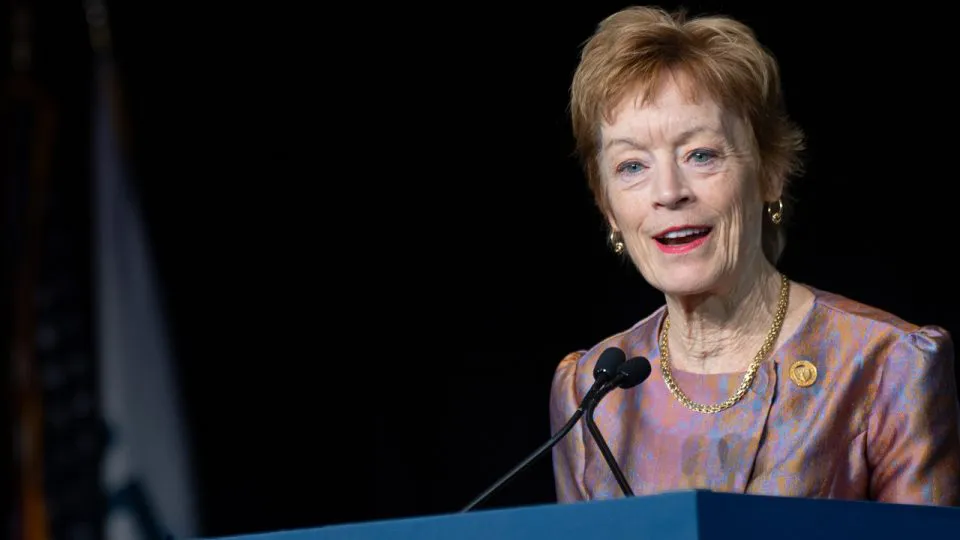
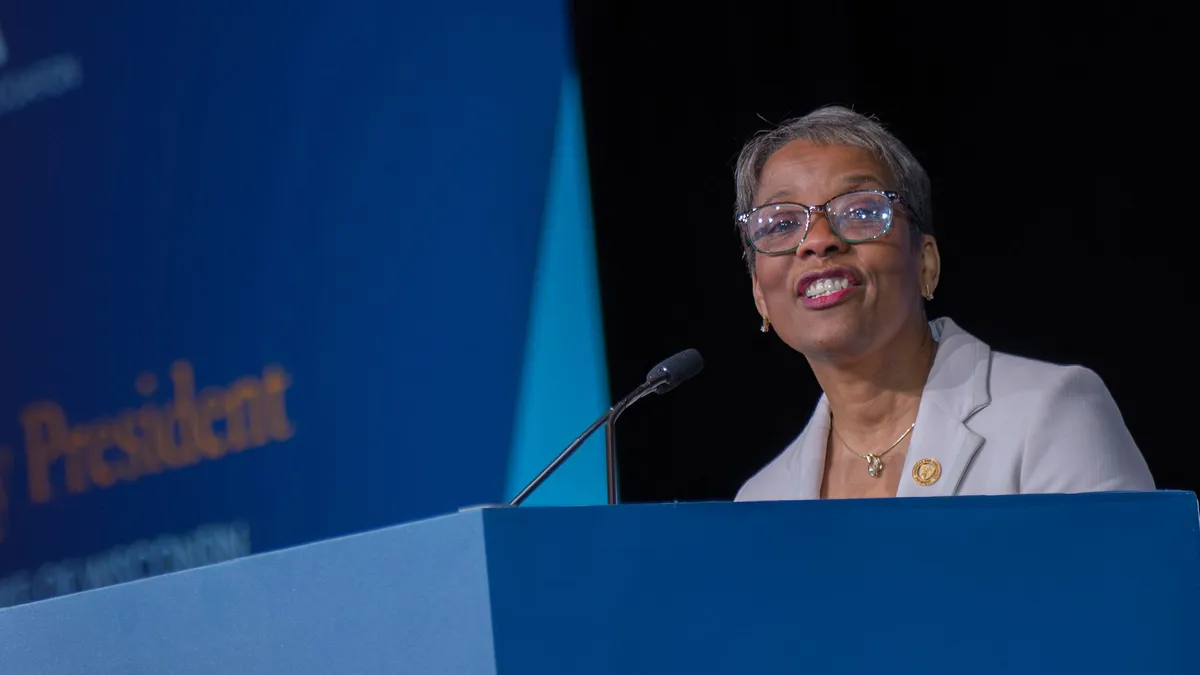
As the newly inaugurated President of the American Bar Association (ABA), Barbara Howard has made a compelling call to action regarding one of the most fundamental rights in a democracy: the right to vote. Her presidency comes at a time when voting rights are increasingly under threat, and she emphasizes the urgent need to protect them. In her inaugural address, Howard outlined a broad vision for her tenure, focusing not just on the necessity of safeguarding electoral access but also on addressing the systemic challenges that have emerged in recent years.
Howard’s advocacy is particularly significant given the evolving landscape of voting legislation across the United States. With various states enacting laws that could potentially disenfranchise voters, the ABA's role in advocating for fair and equitable voting practices has never been more critical. The implications of these changes extend beyond mere political participation; they touch on broader issues of civil rights, social justice, and the integrity of the electoral process.
The Current Landscape of Voting Rights
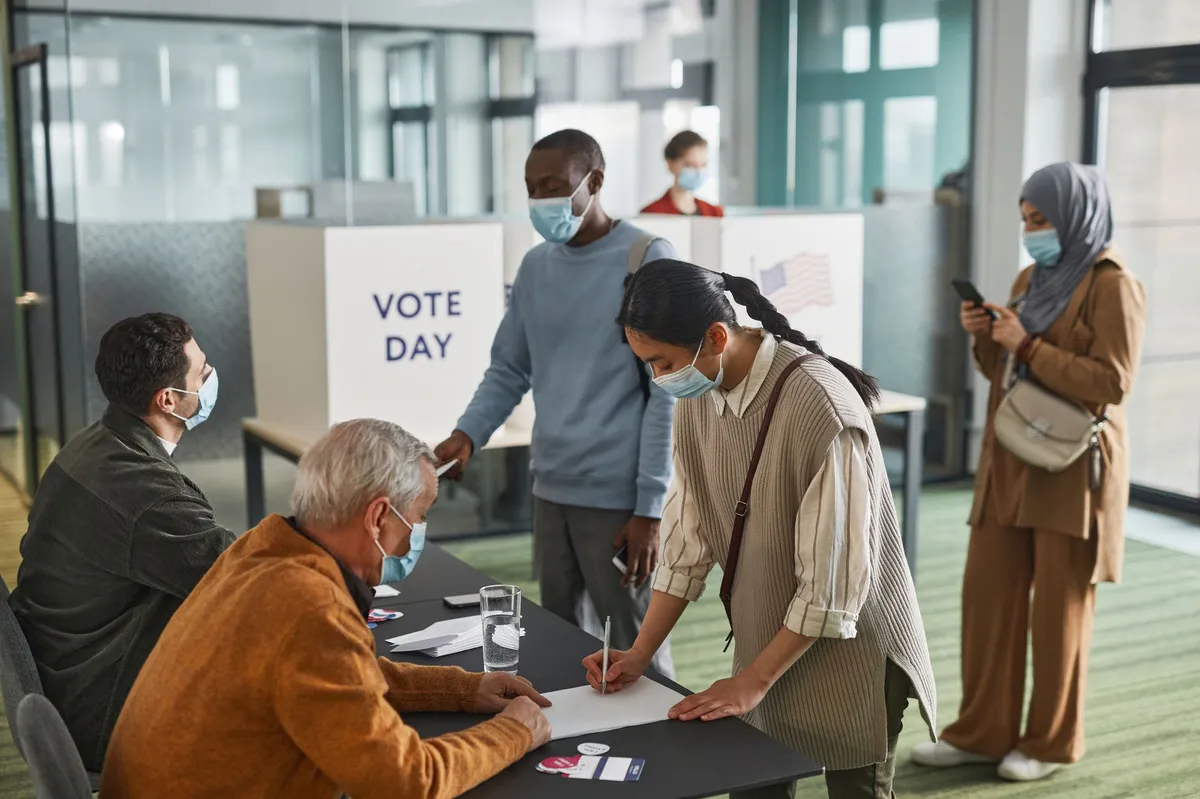
In recent years, numerous states have introduced legislation that critics argue disproportionately affects minority and marginalized communities. These laws often include stringent voter ID requirements, reduced early voting periods, and the purging of voter rolls. As a result, many eligible voters find themselves at risk of disenfranchisement.
Key Trends in Voting Legislation
- Voter ID Laws: Many states require specific forms of identification that can be difficult for certain populations to obtain.
- Reduced Voting Hours: Limiting early voting hours can disproportionately affect working-class voters.
- Voter Roll Purges: Aggressive purging of voter rolls can mistakenly remove eligible voters, often without their knowledge.
- Mail-In Voting Restrictions: New regulations can complicate the ability to vote by mail, impacting those who rely on this method.

Barbara Howard’s Vision for Voting Rights
As she takes on this pivotal role, Howard aims to leverage the ABA’s extensive resources to advocate for voting rights at both the national and state levels. Her goal is not only to challenge restrictive laws but also to promote legislation that expands access to voting, ensuring that every American can exercise their constitutional right without unnecessary barriers.
A Collaborative Approach
Howard believes that collaboration is essential in the fight for voting rights. She plans to work closely with various stakeholders, including civil rights organizations, community groups, and legal experts, to create a unified front against disenfranchisement. This coalition-building approach is designed to amplify the voices of those advocating for change and increase awareness of the challenges faced by voters.
The Role of the ABA in Legal Advocacy
The American Bar Association has a long history of advocating for civil rights and social justice. In her address, Howard reiterated the ABA’s commitment to providing legal resources and support for initiatives aimed at protecting voting rights. This includes efforts to educate voters about their rights, providing legal assistance to those facing barriers, and supporting litigation that challenges discriminatory laws.
Legal Challenges and Opportunities
As legal battles over voting rights continue to unfold across the nation, Howard’s leadership will be crucial in navigating these complex issues. The ABA has the potential to play a pivotal role in shaping legal precedents that protect the right to vote. By supporting litigation that contests restrictive laws and advocating for comprehensive voting reform, the ABA can help ensure that voting remains accessible to all Americans.
Implications for the Future of Voting Rights
Howard’s presidency comes at a critical juncture for voting rights in America. The ongoing debates surrounding electoral access will not only shape the upcoming elections but will also have lasting implications for the democratic process. Ensuring that all citizens can vote without undue hindrance is essential for maintaining the integrity of the electoral system.
The Importance of Public Engagement
In addition to legal advocacy, Howard calls for increased public engagement in the voting process. She emphasizes the importance of educating citizens about their voting rights and encouraging them to participate in elections. This grassroots approach can help demystify the voting process and empower individuals to stand up for their rights.
Key Takeaways
- Barbara Howard highlights the urgent need to protect voting rights as ABA President.
- Restrictive voting laws threaten to disenfranchise vulnerable populations.
- Collaboration with various stakeholders is vital for effective advocacy.
- The ABA aims to support legal challenges against discriminatory voting laws.
- Public engagement and education are crucial for empowering voters.
Frequently Asked Questions
What specific actions will the ABA take under Howard's leadership?
The ABA plans to advocate for the protection and expansion of voting rights through legal challenges to restrictive laws, public education campaigns, and collaboration with civil rights organizations. Under Howard’s direction, the ABA aims to mobilize resources to ensure that all eligible voters can exercise their rights without facing barriers.
How do restrictive voting laws impact marginalized communities?
Restrictive voting laws often disproportionately affect marginalized communities by creating barriers that hinder their ability to vote. For example, stringent ID requirements may prevent individuals without access to specific forms of identification from participating in elections, thus silencing their voices in the democratic process.
Why is public engagement important in the context of voting rights?
Public engagement is essential because it empowers citizens to understand their voting rights and the importance of participation in elections. By educating the public, organizations like the ABA can foster a more informed electorate, which is vital for a robust democracy. Engaged voters are more likely to advocate for their rights and challenge injustices in the electoral system.
What role does the ABA play in legal advocacy for voting rights?
The ABA plays a crucial role in legal advocacy for voting rights by providing resources, support, and expertise for legal challenges against restrictive voting laws. The organization also educates voters about their rights and works to ensure that the legal framework protecting voting rights is upheld and strengthened.
This article is for informational purposes only and does not constitute legal advice.
Comments
Former Guatemalan Mayor Pleads Guilty to Drug Trafficking Conspiracy
In a significant legal development, a former mayor of Santa Lucia, Guatemala, has pleaded guilty to participating in a cocaine trafficking operation intended for the U.S. market, highlighting the intersection of politics and organized crime.

Related articles


Popular in Business Law
- Supreme Court Justices' Financial Disclosures: A Closer Look
- Vishal Garg's Leadership Fallout: The Rise and Fall of Better.com
- Former Intelligence Official Faces Penalty for Post-Government Misconduct
- Blank Rome Faces Lawsuit After Major Data Breach Exposes Personal Information
- Congress Faces Reckoning Over Member-Staff Relationships