Ninth Circuit Upholds Bribery Conviction of Veteran LA Politician Mark Ridley-Thomas
The Ninth Circuit has confirmed the bribery conviction of former LA politician Mark Ridley-Thomas, who solicited favors for his son from USC in exchange for supporting contracts. This case highlights complex issues of public integrity and legal accountability in local governance.

In a landmark ruling that underscores the intersection of politics, ethics, and law, the Ninth Circuit Court of Appeals has upheld the bribery conviction of veteran Los Angeles politician Mark Ridley-Thomas. The decision, delivered unanimously by a panel of judges, reaffirms the legal boundaries governing public officials and the consequences of crossing them. Ridley-Thomas, who served on the LA County Board of Supervisors, was convicted for soliciting favors from the University of Southern California (USC) in exchange for government support that benefitted the university, specifically concerning contracts with Los Angeles County.
This case not only raises questions about the ethical obligations of elected officials but also highlights the complexities of public service in an environment where personal interests can conflict with public duties. As the legal ramifications of Ridley-Thomas’ actions unfold, it serves as a cautionary tale for public officials nationwide regarding the importance of transparency and accountability in governance.

Details of the Conviction
Mark Ridley-Thomas was found guilty of orchestrating a scheme involving a $100,000 payment from his campaign funds to the USC School of Social Work. This payment, funneled through the institution to a nonprofit organization that his son, Sebastian Ridley-Thomas, had established, was central to the prosecution's case. The Ninth Circuit's ruling clarified that this transaction constituted a "thing of value" under the law, satisfying the criteria for a bribery conviction.
The appellate court dismissed arguments from Ridley-Thomas' defense that the arrangement did not represent a traditional bribery scheme. The judges noted that while the payment was indirect, it nonetheless fulfilled the legal definition of a bribe, emphasizing that the transfer of funds—regardless of its routing—was tied to Ridley-Thomas' political actions that benefited USC.
Key Findings from the Court
In their decision, the Ninth Circuit highlighted several important points:
- The $100,000 payment was ultimately intended to benefit Sebastian Ridley-Thomas, which constituted a personal interest of the politician.
- Ridley-Thomas’ actions were timed strategically while a significant contract with LA County was pending approval, suggesting a direct correlation between the financial transaction and his political support.
- Even though the payment did not involve cash exchanged directly for political favors, the court maintained that the benefits conferred to Sebastian Ridley-Thomas and USC met the legal threshold for bribery.

Implications of the Ruling
The ruling has far-reaching implications for public officials across the United States. It serves as a reminder of the legal responsibilities that accompany public office and the scrutiny that public officials can face regarding their personal and political dealings. The decision also raises vital questions about the extent of legal interpretations of bribery and corruption in state and local government.
Public trust in government is paramount, and cases like Ridley-Thomas's can erode that trust if not adequately addressed. The Ninth Circuit's affirmation of his conviction underscores the necessity for transparency in public office and the importance of maintaining ethical boundaries, especially when personal relationships and public duties intertwine.
Broader Context of Public Corruption
The Ridley-Thomas case is not an isolated incident but part of a broader narrative concerning public corruption in the U.S. Over the years, numerous politicians have faced similar allegations, leading to convictions and, in some cases, long prison sentences. The Justice Department has prioritized combating public corruption, particularly as it relates to bribery, fraud, and the misuse of office.
For instance, former Illinois Governor Rod Blagojevich was famously convicted for trying to sell President Obama's Senate seat, and former New York Assembly Speaker Sheldon Silver was found guilty of corruption related to real estate development deals. These cases exemplify the ongoing struggle to uphold ethical standards within elected offices.

Legal Perspectives on Bribery and Public Service
Bribery laws in the United States are designed to ensure that public officials act in the best interest of their constituents rather than for personal gain. Under federal law, bribery is defined as the offering, giving, receiving, or soliciting of something of value with the intent to influence the action of an official in their official capacity. This definition is broad and encompasses both direct and indirect actions intended to sway decision-making.
The concept of "honest services fraud" further complicates matters, as it encompasses schemes that deprive citizens of their right to honest services from public officials. The Ninth Circuit's decision aligned with this definition, reinforcing that Ridley-Thomas' actions constituted a breach of trust and a manipulation of public service for personal benefit.
Consequences for Ridley-Thomas
Ridley-Thomas, sentenced to 3.5 years in prison, remains out on bail as he considers his options for an en banc review of the decision, which would involve a larger panel of judges. His case represents a significant moment not only in his career but also in the ongoing dialogue about ethics in public office.
As noted by his attorney, Alyssa Bell, the conviction was met with disappointment, reflecting the complex emotions surrounding legal battles that challenge the integrity of public service. With the legal landscape continuously evolving, the repercussions for Ridley-Thomas could set precedents impacting future cases and legislative measures aimed at preventing corruption.
Key Takeaways
- The Ninth Circuit has upheld Mark Ridley-Thomas' bribery conviction, emphasizing the importance of ethical governance.
- Public officials must be aware of the legal ramifications of their actions, particularly when personal interests are involved.
- This case serves as a reminder that indirect benefits can still constitute bribery under the law.
- Ongoing scrutiny of public officials is crucial to maintaining trust in government.
Frequently Asked Questions
What does the term "thing of value" mean in legal terms?
In legal contexts, a "thing of value" refers to any item, service, or benefit that can be quantified and that has worth to an individual. This can include money, services, or even intangible benefits that influence a person's actions or decisions, particularly in the context of bribery laws. The Ninth Circuit’s ruling clarified that even indirect benefits can fall under this definition, reinforcing the concept that public officials must avoid any appearance of impropriety.
How does the appeal process work in bribery cases?
The appeal process allows a convicted individual to challenge the legal basis of their conviction. In the case of Ridley-Thomas, his attorneys can request an en banc review, which involves a larger panel of judges who will examine the case. The appellate court will review the trial court's decisions for legal errors, ensuring that the convicted person's rights were upheld during the trial. If the appeals are unsuccessful, the individual may seek further remedies through the U.S. Supreme Court.
What are the broader impacts of public corruption cases?
Public corruption cases, such as that of Ridley-Thomas, can have significant repercussions beyond the individual. They can lead to reforms in legislation aimed at preventing corruption, increased scrutiny of public officials, and greater public awareness regarding ethical governance. A culture of accountability can emerge, prompting officials to adhere more strictly to ethical guidelines and for the public to remain vigilant about their elected representatives.
Why is public trust important in government?
Public trust is essential for the effective functioning of government and democracy. When citizens trust their leaders and institutions, they are more likely to participate in civic duties, engage in the democratic process, and support government initiatives. Conversely, corruption and unethical behavior can lead to disillusionment, reduced civic engagement, and a breakdown of the social contract between the government and its citizens. Ensuring accountability and ethical conduct is vital for maintaining this trust.
This content is general information, not legal advice.
Comments
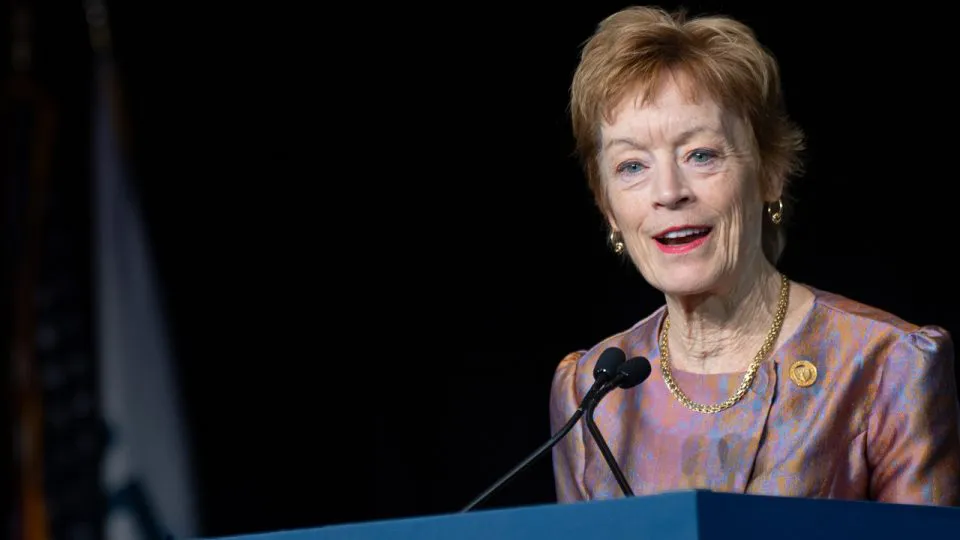
Barbara Howard's Call to Protect Voting Rights as ABA President
As she steps into her role, Barbara Howard emphasizes the crucial need for safeguarding voting rights across the United States. Her leadership aims to address pressing legal issues surrounding electoral access and integrity.
Related articles





Popular in Business Law
- Supreme Court Justices' Financial Disclosures: A Closer Look
- Vishal Garg's Leadership Fallout: The Rise and Fall of Better.com
- Former Intelligence Official Faces Penalty for Post-Government Misconduct
- Blank Rome Faces Lawsuit After Major Data Breach Exposes Personal Information
- Congress Faces Reckoning Over Member-Staff Relationships