Public Sentiment on Iran War: Majority Predicts Prolonged Conflict
A recent Quinnipiac poll reveals that most American voters believe the conflict with Iran will last at least a year, reflecting growing opposition to the war and dissatisfaction with leadership. As public support dwindles, the implications for upcoming elections could be significant.
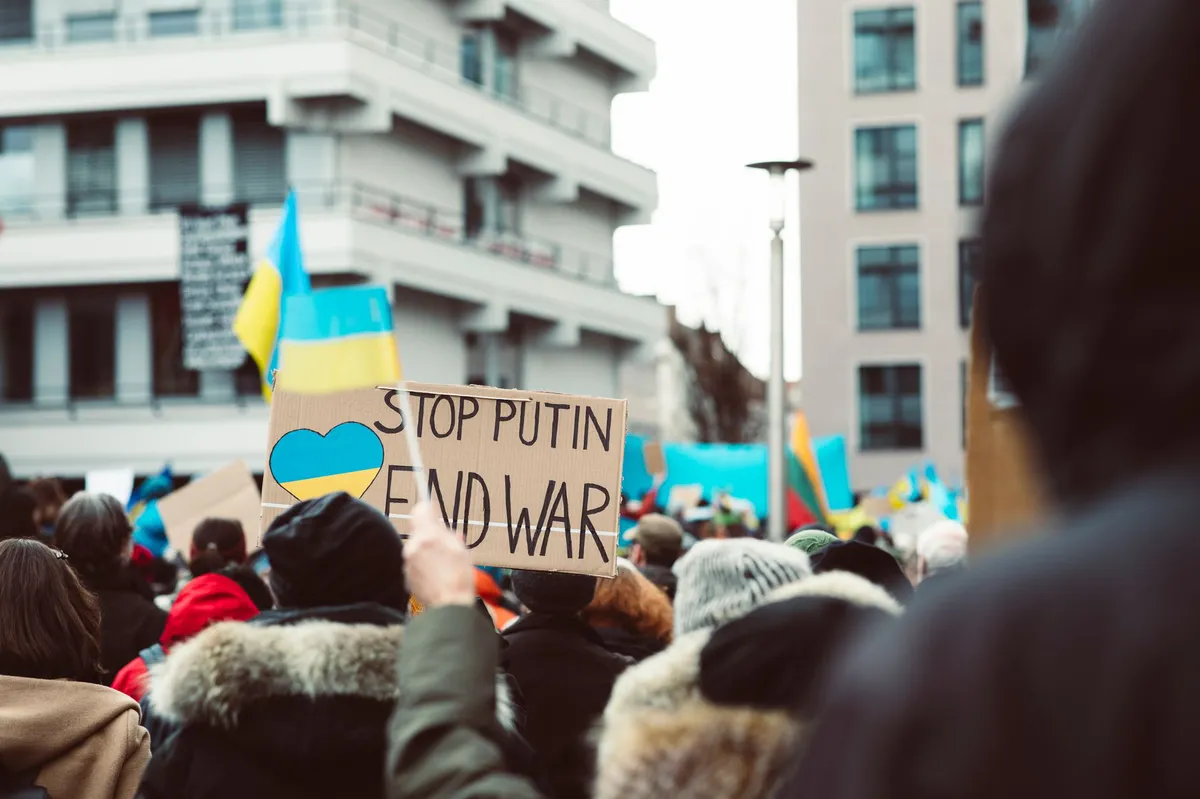
As the conflict with Iran continues to unfold, a significant shift in public sentiment has emerged, with a majority of American voters predicting that the war will extend for at least another year. A recent poll conducted by Quinnipiac University reveals that support for the war has plummeted, with 60% of voters now opposing military action against Iran. This growing discontent underscores a critical moment in American foreign policy and its potential ramifications on the political landscape.
The poll, which surveyed 963 self-identified registered voters from last Thursday through Monday, highlights a stark reality: more than half of the respondents believe the United States is not winning the war, and a considerable percentage feel that the conflict is not worth fighting. As public dissatisfaction rises, it raises questions about the effectiveness of current leadership and the potential impact on the upcoming midterm elections.
Voter Opposition to Military Action
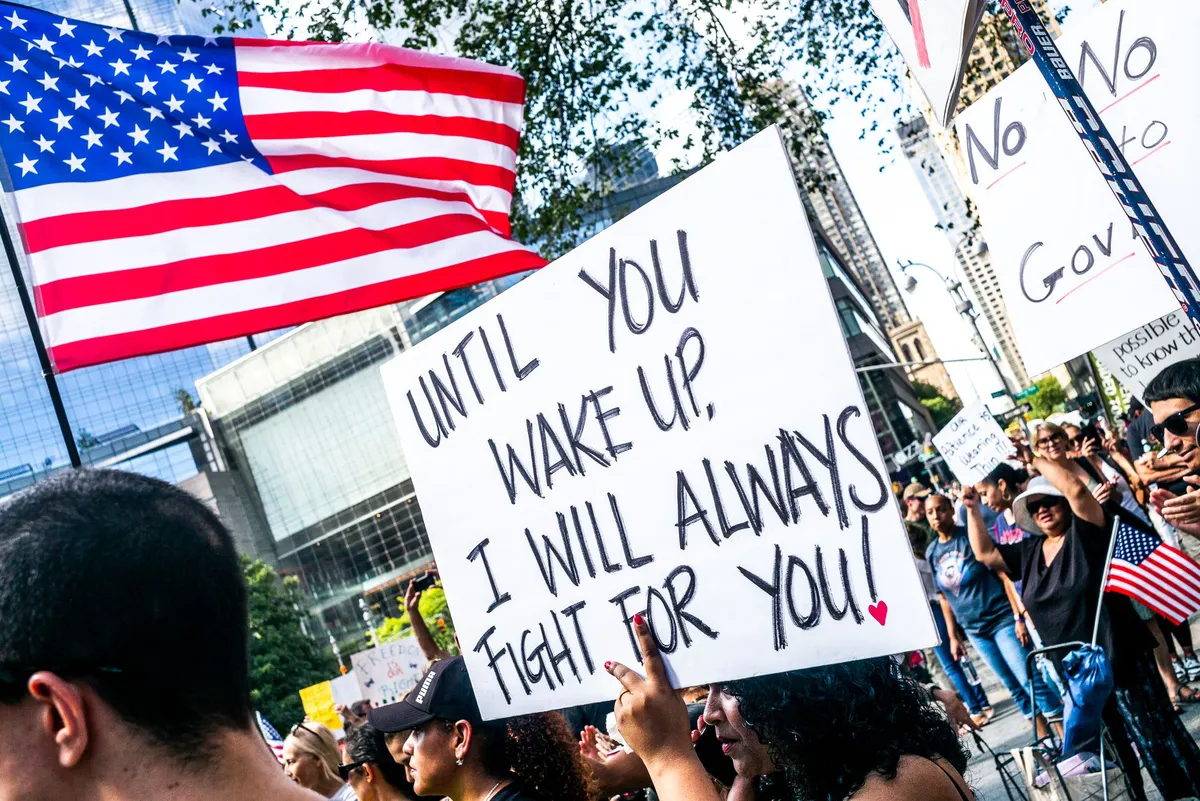
The Quinnipiac poll paints a vivid picture of the American public's stance on the ongoing war with Iran. Over 70% of voters expressed strong opposition to deploying U.S. troops on Iranian soil, a sentiment that reflects a broader wariness of military engagement. Tim Malloy, a polling analyst at Quinnipiac, emphasized the extent of this pushback, stating, "Six in ten voters want no part of military action against Iran." The growing reluctance to engage militarily represents a significant shift in public opinion since the conflict began.
- 60% of voters oppose the war, the highest level of opposition since the conflict began.
- 70% of voters are against deploying troops in Iran.
- 54% believe the U.S. is not winning the war.
- 66% feel the war has not been worth fighting.
Public Perception of Leadership and Negotiation Efforts
The poll also reveals a lack of confidence in key figures involved in negotiating an end to the conflict. Jared Kushner and Steve Witkoff, both serving as the Trump administration's envoys, face skepticism from the electorate, with 57% of voters expressing little to no confidence in their negotiation abilities. Malloy noted, "After months of rising and falling hopes, punctuated by deadly military exchanges, voters wonder whether Kushner and Witkoff have the diplomatic chops to close the deal." This skepticism not only reflects dissatisfaction with current leadership but also highlights the challenges faced by the administration in navigating complex international relations.
Impact of the War on Domestic Issues
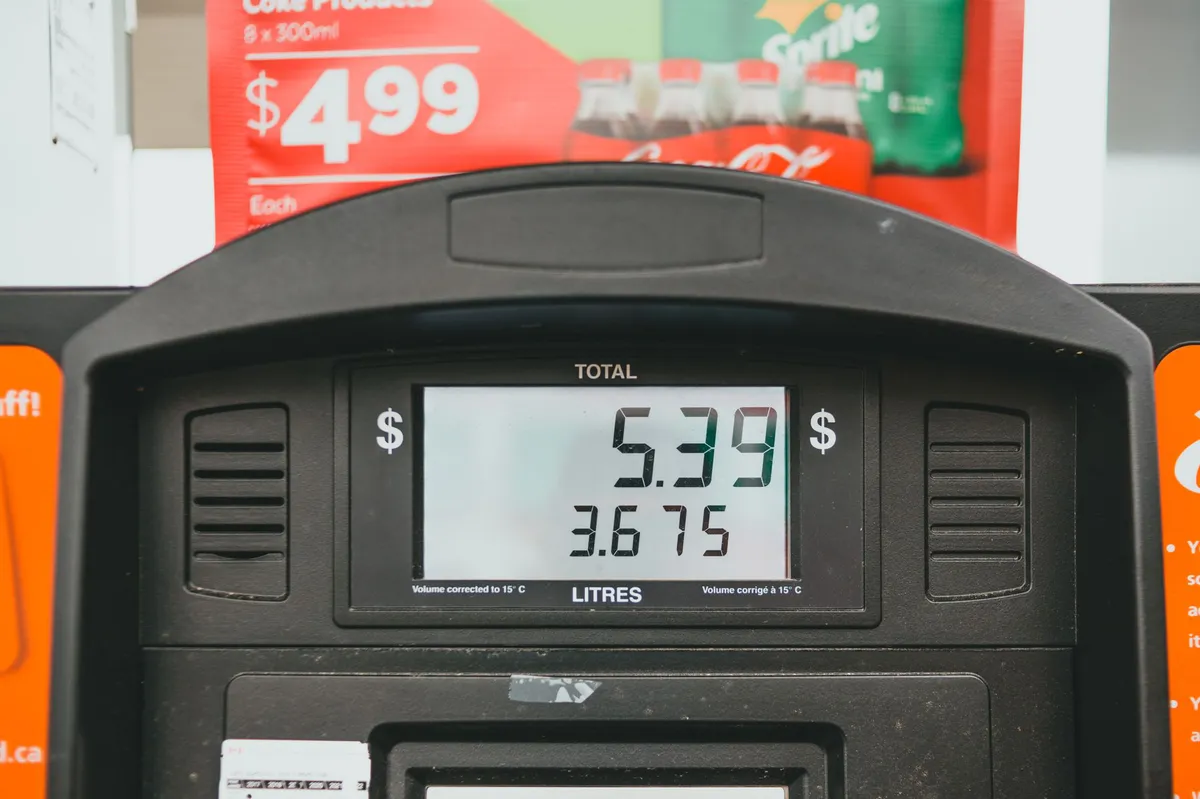
As the war continues, its repercussions are felt at home. The rising gas prices, attributed to the conflict, have led 54% of voters to blame President Donald Trump significantly. With 32% of respondents approving of his performance, this represents an all-time low for the president in Quinnipiac polling history. The declining approval ratings, coupled with economic concerns, paint a troubling picture for the administration. When asked about their current financial situation, nearly half of respondents, or 49%, indicated they are worse off compared to a year ago, further fueling discontent.
Economic Sentiment
Voter sentiment regarding the economy is predominantly negative, with 59% believing that the nation’s economic situation is deteriorating. This pessimism not only affects public perception of leadership but also threatens the stability of the current administration as it heads toward midterm elections.
Midterm Elections on the Horizon
The upcoming midterm elections could be significantly influenced by public sentiment surrounding the war in Iran and the overall economic outlook. If elections were held today, 48% of voters indicated a preference for Democratic control of the U.S. House of Representatives, compared to 41% favoring Republicans. This shift in enthusiasm among voters poses a warning sign for the GOP, as 57% of Democrats reported they are more motivated to vote than in previous midterms, while only 39% of Republicans felt the same way. Malloy remarked, "A warning sign is blinking red for the GOP. With turnout so crucial in midterm elections that many voters tend to ignore, the Democrats seem more motivated to show up than Republicans."
Key Takeaways
- Majority of voters believe the Iran war will last at least a year.
- Support for the war is at an all-time low, with 60% opposing military action.
- Public confidence in negotiators Kushner and Witkoff is lacking.
- Economic concerns and rising gas prices are fueling voter discontent.
- Democrats appear more motivated for the upcoming midterm elections compared to Republicans.
Frequently Asked Questions
What are the main findings of the Quinnipiac poll regarding the Iran war?
The Quinnipiac poll reveals that 60% of American voters oppose the war in Iran, with a significant portion predicting it will last at least a year. Moreover, 54% of respondents believe the U.S. is not winning the conflict, and 66% feel that the war has not been worth fighting. This growing opposition indicates a shift in public sentiment, reflecting concerns over military engagement and its implications for domestic issues.
How do voters feel about President Trump's handling of the situation?
President Trump's approval rating has hit a historic low of 32% in the Quinnipiac poll, with 66% of voters disapproving of his handling of the Iran situation. Additionally, many voters hold him accountable for the rise in gas prices linked to the war, which further complicates his administration's standing as the midterm elections approach.
What are the potential implications for the upcoming midterm elections?
The current public sentiment around the Iran war and economic challenges could significantly impact the upcoming midterm elections. With Democrats showing higher motivation to vote than Republicans, the potential for a shift in control of the House of Representatives looms larger. If these trends continue, they may lead to a significant political shift in Congress and affect the future of U.S. foreign policy.
What should voters be aware of as the situation evolves?
Voters should remain informed about how ongoing conflicts, such as the war in Iran, affect both international relations and domestic issues like the economy and gas prices. The upcoming midterm elections will provide an opportunity for voters to express their opinions on these matters, making it crucial to understand the candidates' positions on foreign policy and economic recovery as they prepare to cast their votes.
This article is for informational purposes only and does not constitute legal advice.
Comments
San Francisco Takes Legal Action Against Deceptive Hotel Booking Sites
San Francisco has filed a lawsuit against GuestReservations.com and BookOnline.com for misleading consumers into overpaying for hotel bookings. The city aims to protect travelers and local businesses from deceptive practices.

Related articles

Popular in Business Law
- Supreme Court Justices' Financial Disclosures: A Closer Look
- Vishal Garg's Leadership Fallout: The Rise and Fall of Better.com
- Former Intelligence Official Faces Penalty for Post-Government Misconduct
- Blank Rome Faces Lawsuit After Major Data Breach Exposes Personal Information
- Congress Faces Reckoning Over Member-Staff Relationships