The Supreme Court's Influence on American Democracy: An In-Depth Analysis
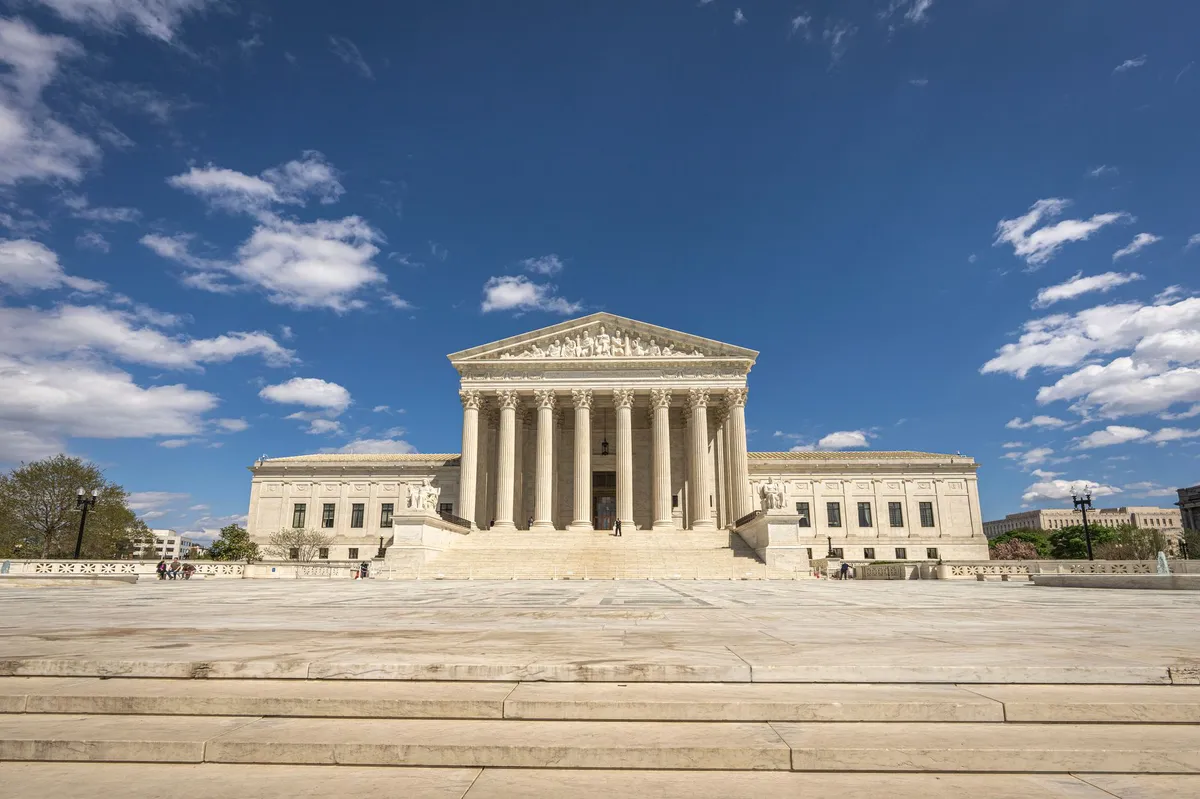
The Supreme Court significantly shapes American democracy through its decisions. This article explores how these rulings impact civil rights, voting laws, and the balance of power.

The Supreme Court of the United States plays a pivotal role in shaping the landscape of American democracy. Through its interpretations of the Constitution, the Court influences everything from civil rights to voting laws, thereby affecting the everyday lives of citizens. Given the increasing polarization in American politics, understanding the Supreme Court's decisions is more crucial than ever for citizens, lawmakers, and advocates alike.
In recent years, the Court has issued several landmark rulings that have sparked nationwide debates about the interpretation of democracy and the rights of individuals. This article delves into the implications of these decisions, examining their historical context, the consequences they have on governance, and who stands to benefit or suffer from these rulings.
The Supreme Court's Role in Democracy
The Supreme Court is often viewed as the final arbiter of constitutional questions. Established by Article III of the U.S. Constitution, the Court's primary responsibilities include interpreting laws, resolving disputes involving states, and reviewing the constitutionality of legislative and executive actions. The power of judicial review, established in Marbury v. Madison (1803), allows the Court to invalidate laws that it finds unconstitutional, giving it a significant role in maintaining the principles of democracy.
Historical Context
Throughout American history, the Supreme Court has been at the center of many pivotal moments. For instance, the Court's decision in Brown v. Board of Education (1954) overturned the doctrine of “separate but equal,” thus dismantling legalized racial segregation in public schools. This ruling not only transformed the educational landscape but also served as a catalyst for the civil rights movement, highlighting the Court's essential function in promoting equality.
Contemporary Decisions Impacting Democracy
In the modern era, the impact of the Supreme Court's decisions has been profound and multifaceted. For example, the 2010 ruling in Citizens United v. FEC fundamentally altered campaign finance laws, allowing for unlimited independent spending by corporations and unions in elections. Supporters argue that this decision protects free speech, while critics contend that it undermines the democratic process by enabling wealthy entities to exert disproportionate influence over elections.
Voting Rights and Access
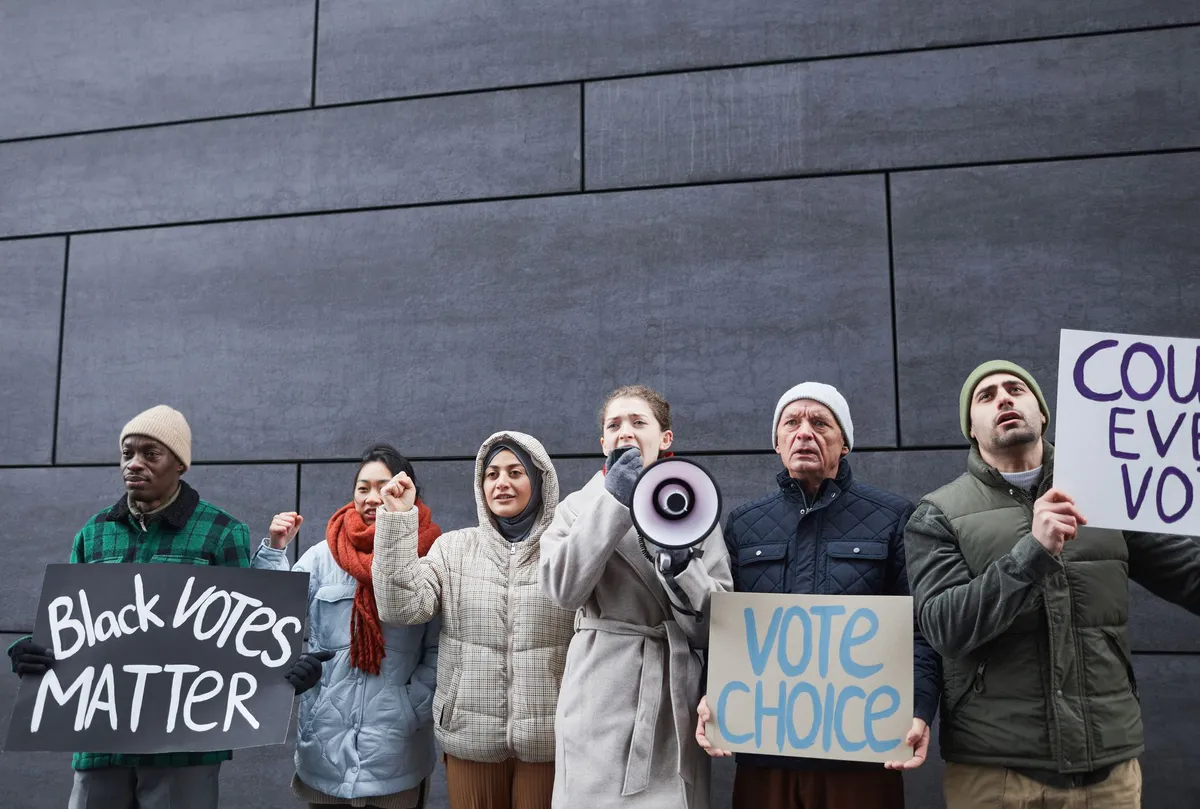
Voting rights have been a significant focus of the Supreme Court's decisions in recent years. The Court's ruling in Shelby County v. Holder (2013) invalidated key provisions of the Voting Rights Act of 1965, which had been designed to protect against racial discrimination in voting. As a result, several states implemented laws that critics argue disproportionately disenfranchise minority voters. This decision exemplifies how the Supreme Court can reshape the electoral landscape and influence who has access to the democratic process.
Balancing State and Federal Powers
The relationship between state and federal powers is another area where the Supreme Court exercises considerable influence. In cases such as National Federation of Independent Business v. Sebelius (2012), the Court upheld the Affordable Care Act's individual mandate, which expanded healthcare access for millions of Americans. However, this ruling also sparked discussions about the limits of federal authority over states, a question that resonates with ongoing debates about federalism in American governance.
The Consequences of Supreme Court Decisions
Understanding the consequences of Supreme Court decisions requires a look at both immediate and long-term effects. The rulings can lead to significant shifts in public policy and influence the actions of lawmakers. Here are some key areas affected:
- Civil Rights: The Court’s decisions can either advance or hinder civil rights protections.
- Campaign Finance: Rulings that favor unlimited spending can skew electoral outcomes.
- Voting Access: Decisions can either protect or undermine the right to vote for marginalized groups.
- Federalism: The balance of power between state and federal governments can be altered based on the Court’s interpretation.
Public Perception and Trust
The public's perception of the Supreme Court also plays a vital role in its effectiveness. Trust in the judiciary is essential for maintaining the rule of law and ensuring compliance with its decisions. However, controversial rulings can lead to public discontent and diminish confidence in the Court as an impartial arbiter. The increasing polarization of judicial appointments and decisions has contributed to a growing skepticism about the Court's independence.
Looking Ahead: The Future of the Supreme Court
As the United States continues to grapple with complex social and political issues, the Supreme Court's role will remain critical. Future cases involving abortion rights, healthcare, immigration, and environmental regulations will likely shape the legal landscape for generations to come. Citizens must remain informed and engaged, as the outcomes of these cases will have lasting implications for democracy and civil rights.
The Importance of Civic Engagement
In light of the Supreme Court's significant influence on American democracy, civic engagement is essential. Citizens should educate themselves on Supreme Court decisions, advocate for their rights, and participate in the electoral process. Understanding how the Court operates and its impact on society empowers individuals to hold elected officials accountable and contribute to a more robust democracy.
Key Takeaways
- The Supreme Court has a profound impact on American democracy through its rulings.
- Landmark decisions have shaped civil rights and voting access.
- Civic engagement is crucial for holding the Court accountable.
- Future cases will continue to influence the legal landscape.
Frequently Asked Questions
What is the Supreme Court's role in American democracy?
The Supreme Court serves as the highest court in the United States, responsible for interpreting the Constitution and resolving disputes regarding laws and their application. Its decisions can shape public policy and influence the rights of individuals, thereby playing a pivotal role in maintaining the democratic framework of the nation.
How do Supreme Court decisions affect voting rights?
Decisions made by the Supreme Court can significantly impact voting rights by either protecting or undermining access to the ballot. For instance, rulings that invalidate key provisions of the Voting Rights Act can lead to laws that disenfranchise certain groups, affecting their ability to participate in the democratic process.
Why should citizens care about Supreme Court decisions?
Citizens should be concerned about Supreme Court decisions because these rulings can directly affect their rights, freedoms, and access to justice. Understanding the implications of these decisions helps individuals advocate for their interests and engage in the political process to promote a fair and equitable society.
What can individuals do to influence the Supreme Court?
Individuals can influence the Supreme Court by staying informed about its decisions and advocating for changes in legislation that align with their values. Engaging in civic activities, such as voting, contacting representatives, and participating in public discussions, empowers citizens to impact the judicial system and promote democratic principles.
*This content is general information and not legal advice.*
Comments
San Francisco Takes Legal Action Against Deceptive Hotel Booking Sites
San Francisco has filed a lawsuit against GuestReservations.com and BookOnline.com for misleading consumers into overpaying for hotel bookings. The city aims to protect travelers and local businesses from deceptive practices.

Related articles


Popular in Business Law
- Supreme Court Justices' Financial Disclosures: A Closer Look
- Vishal Garg's Leadership Fallout: The Rise and Fall of Better.com
- Former Intelligence Official Faces Penalty for Post-Government Misconduct
- Blank Rome Faces Lawsuit After Major Data Breach Exposes Personal Information
- Congress Faces Reckoning Over Member-Staff Relationships