Trump Administration Seeks Supreme Court Intervention on Mail-in Voting Changes
The Trump administration has petitioned the Supreme Court to permit an executive order that could significantly alter mail-in voting practices before the upcoming midterm elections. This contentious legal battle raises critical questions about election integrity and state authority.
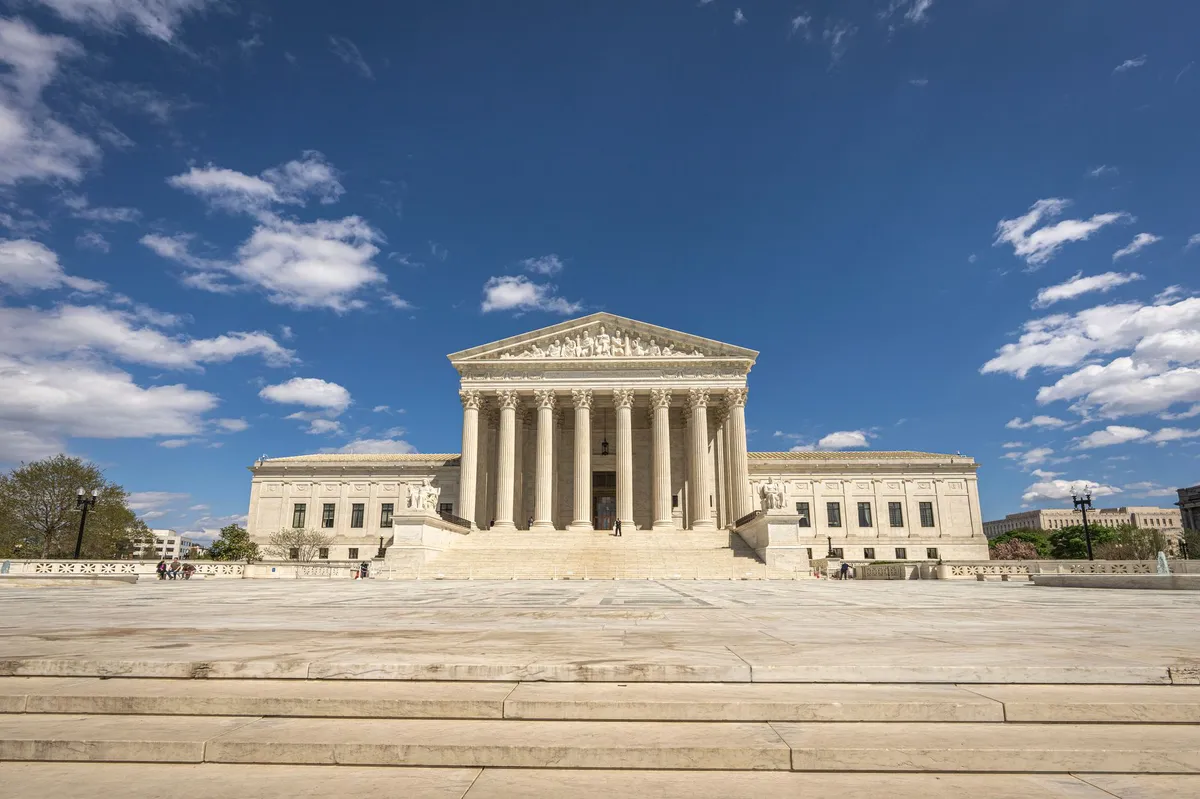
The landscape of voting in the United States is once again at the center of a legal storm as the Trump administration seeks approval from the Supreme Court for an executive order that could fundamentally alter mail-in voting practices across nearly half of the country. With the midterm elections looming, the potential implications of this order have ignited a fierce debate over election integrity and the balance of power between federal and state authorities.
On a recent Monday, the Justice Department submitted a request to the Supreme Court, urging the justices to lift lower court rulings that have blocked President Trump’s sweeping changes to mail-in voting. This comes on the heels of Trump’s primetime address, where he reiterated his long-standing claims about election irregularities, raising questions about the legitimacy of the electoral process.
Understanding the Executive Order
At the heart of this legal battle is an executive order issued by President Trump in March, which mandates the creation of a “state citizenship list” to determine eligible voters. The order instructs that mail ballots should only be sent to individuals listed on this newly created roster, which critics argue could disenfranchise many eligible voters.
Major Components of the Executive Order
- State Citizenship Lists: Federal agencies, including U.S. Citizenship and Immigration Services and the Social Security Administration, are tasked with compiling these lists.
- Mail Ballot Restrictions: Only voters identified on the citizenship lists would receive mail-in ballots, potentially excluding many eligible voters.
- Secure Ballot Tracking: The order also specifies that ballots must be sent in secure envelopes with unique barcodes for tracking purposes.
- Federal Compliance Pressure: The government could withhold federal funding from states that do not comply with the new requirements.
The administration argues that these measures are necessary to prevent non-citizens from voting, a claim that has been widely disputed given that instances of non-citizen voting are exceedingly rare and often carry severe legal penalties.
Legal Challenges and Responses
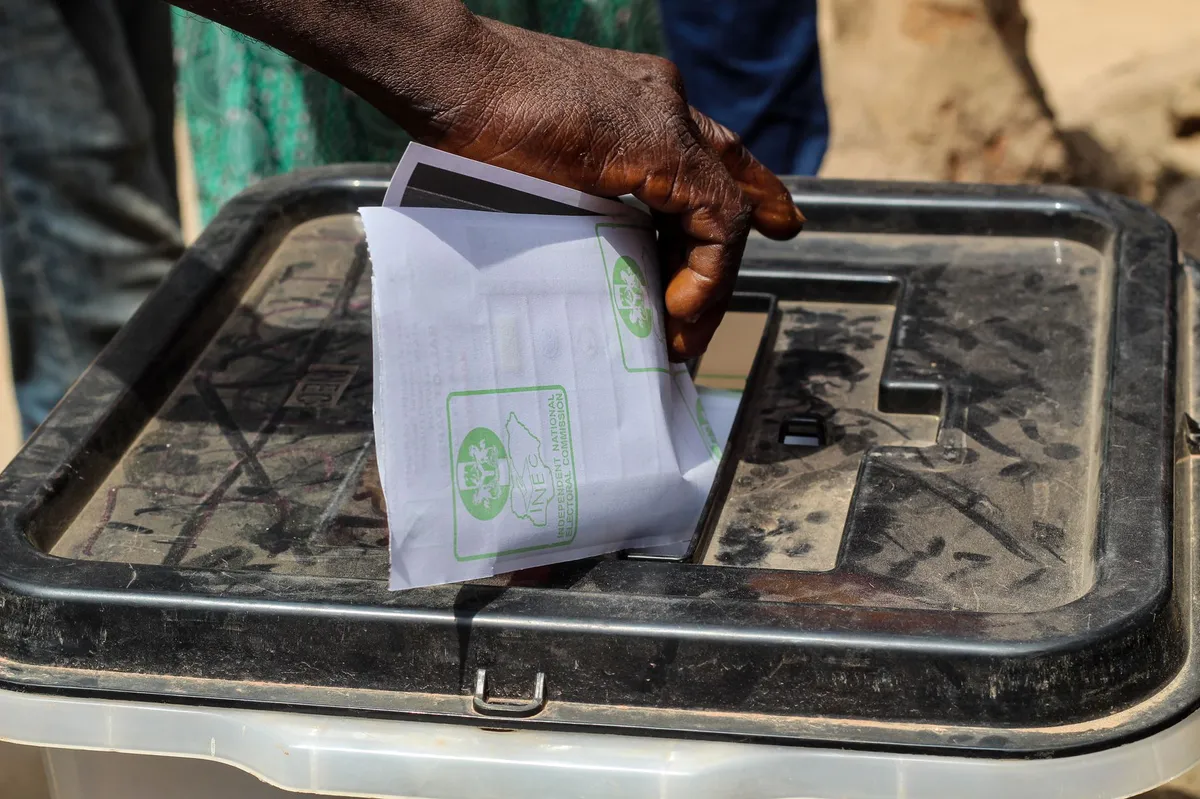
In response to the executive order, Democratic officials from 23 states and the District of Columbia have launched lawsuits, asserting that regulation of elections is constitutionally reserved for individual states and Congress, not the president. These legal actions have already seen some success; a judge in Massachusetts has temporarily blocked the implementation of the order, and the ruling was upheld by the 1st U.S. Circuit Court of Appeals.
Arguments from Both Sides
Proponents of the executive order, including Solicitor General D. John Sauer, argue that the order offers “general policy guidance” rather than direct mandates on how states must conduct their elections. They claim that halting the executive order hinders the government’s ability to safeguard electoral integrity. In contrast, opponents maintain that the changes proposed by Trump are rife with potential for abuse and could lead to widespread voter disenfranchisement.
Judge Indira Talwani, a U.S. District Court judge appointed by Barack Obama, highlighted concerns over the executive order's compliance and potential chaos it could incite among voters. In contrast, another federal judge, Carl Nichols, appointed by Trump, ruled that it was premature to block the order since it had not yet been implemented.
The Broader Implications for Elections
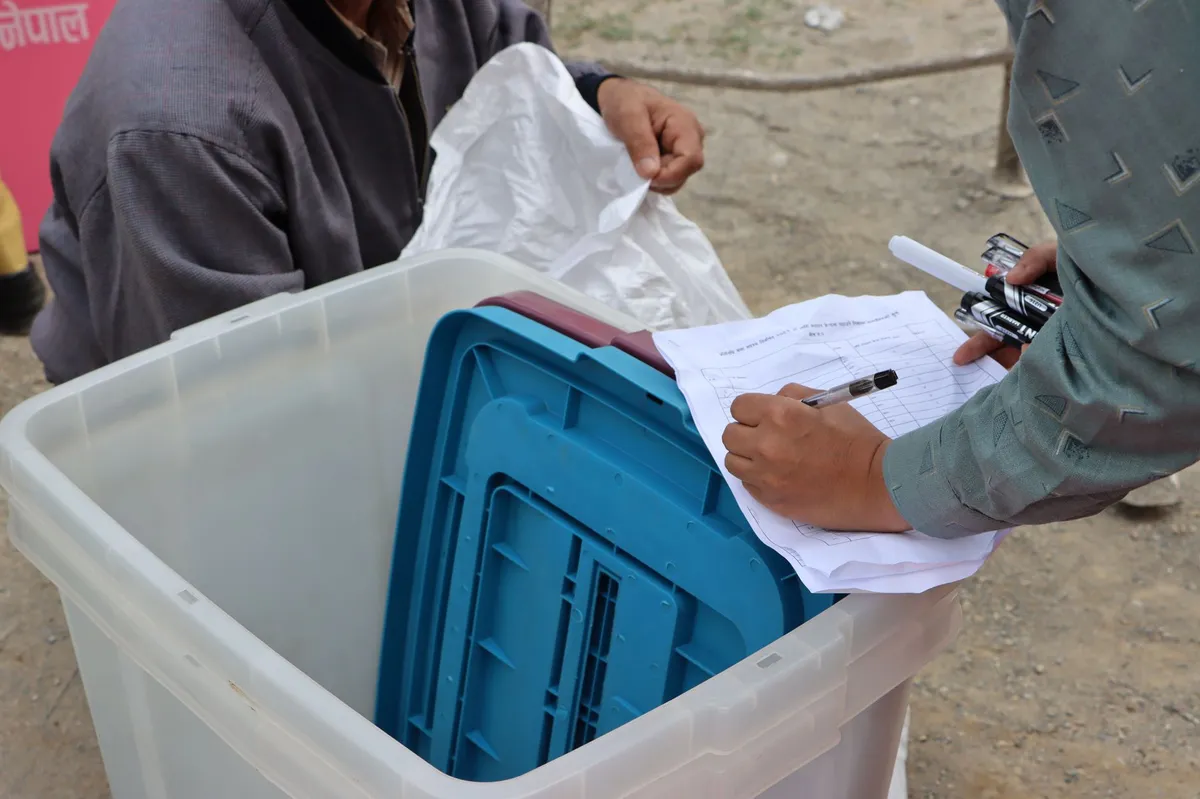
The implications of this legal battle extend far beyond the current midterm elections. As the Supreme Court weighs the request from the Trump administration, the outcome could set a significant precedent for how elections are managed at both the state and federal levels. The court's decision may not only affect mail-in voting procedures but could also influence future legislation regarding voter identification and eligibility requirements.
Election Integrity vs. Voter Access
This legal confrontation underscores a broader national debate over election integrity versus voter access. Proponents of stricter voting regulations argue that such measures prevent fraud and ensure that only eligible citizens can vote. However, critics assert that these regulations often disproportionately affect minority groups, the elderly, and low-income individuals, who may face additional barriers to accessing the polls.
Key Takeaways
- The Trump administration is appealing to the Supreme Court to allow a controversial executive order that could reshape mail-in voting.
- Democratic officials in 23 states have filed lawsuits against the executive order, claiming it infringes upon state rights.
- Potential consequences of this order include increased voter disenfranchisement and heightened political tensions surrounding election integrity.
- The Supreme Court's decision could set a significant precedent for future voting regulations and election management.
Frequently Asked Questions
What is the significance of the Trump administration's executive order on mail-in voting?
The executive order aims to create a system that restricts mail-in ballots to individuals on a specific citizenship list, potentially impacting voter turnout and access. Its implementation could lead to significant changes in election processes across multiple states, especially if upheld by the Supreme Court.
How have states responded to the executive order?
States led by Democratic officials have filed lawsuits against the executive order, arguing that the authority to regulate elections lies with states and Congress, not the president. These lawsuits highlight concerns about potential voter disenfranchisement and the legality of the order itself.
What are the broader implications of this legal battle for future elections?
The outcome of this case in the Supreme Court could set a precedent for how elections are conducted in the future. It may influence policies around voter identification, eligibility, and the extent of federal authority in state election matters.
What are the potential consequences of restricting mail-in voting?
Restricting mail-in voting could lead to disenfranchisement of eligible voters, particularly among marginalized communities. It may also create logistical challenges for election officials and increase confusion during the voting process, potentially undermining public confidence in election integrity.
This article is for informational purposes only and does not constitute legal advice.
Comments
ICC Top Prosecutor Ousted Amid Sexual Misconduct Investigation
The recent dismissal of the International Criminal Court's top prosecutor, Karim Khan, highlights significant issues of accountability within international law. This article explores the implications of such investigations on the credibility of international legal institutions.
Related articles
Popular in Business Law
- Supreme Court Justices' Financial Disclosures: A Closer Look
- Vishal Garg's Leadership Fallout: The Rise and Fall of Better.com
- Former Intelligence Official Faces Penalty for Post-Government Misconduct
- Blank Rome Faces Lawsuit After Major Data Breach Exposes Personal Information
- Congress Faces Reckoning Over Member-Staff Relationships