ICC Top Prosecutor Ousted Amid Sexual Misconduct Investigation
The recent dismissal of the International Criminal Court's top prosecutor, Karim Khan, highlights significant issues of accountability within international law. This article explores the implications of such investigations on the credibility of international legal institutions.
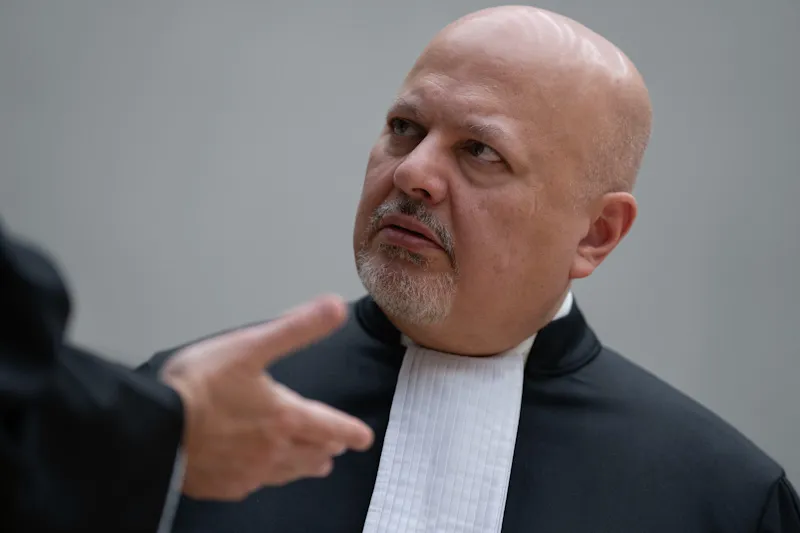
The recent ousting of Karim Khan, the chief prosecutor of the International Criminal Court (ICC), has sent shockwaves through the realm of international law. Following an investigation into allegations of sexual misconduct, the ICC has now been thrust into the spotlight, raising crucial questions about accountability, governance, and the integrity of institutions designed to uphold justice on a global scale. This high-profile dismissal is more than just a personnel change; it represents a pivotal moment in the ongoing struggle to ensure that even the highest offices in international law are not above reproach.
The allegations against Khan, which surfaced amid growing scrutiny of sexual misconduct in various sectors worldwide, have ignited discussions about the culture within international legal institutions. How these allegations were handled, what processes were in place for accountability, and what this means for the future of the ICC are pressing concerns that must be addressed.
Understanding the Role of the ICC
The International Criminal Court, established in 2002, is designed to hold individuals accountable for serious crimes such as genocide, war crimes, and crimes against humanity. It serves as a critical mechanism for international justice, complementing national judicial systems. However, the ICC has faced numerous challenges, including accusations of bias, inefficiency, and a lack of enforcement power.
Karim Khan took office in June 2021, with the promise of revitalizing the court and restoring its credibility. His tenure was marked by significant challenges, including ongoing conflicts in various regions that required the court's attention. However, the recent allegations of misconduct have overshadowed his professional achievements and raised questions about the court's internal governance.

The Allegations and Investigation
The investigation into Khan's conduct was initiated following reports from multiple sources alleging inappropriate behavior. Although specific details of the allegations have not been publicly disclosed, the nature of the accusations has led to widespread speculation about the culture of leadership within the ICC.
Implications of Misconduct in High Office
Misconduct within high offices, particularly in organizations like the ICC, has far-reaching implications:
- Public Trust: Allegations against top officials can erode public confidence in the institution's ability to deliver justice.
- Accountability Standards: The way the ICC handles such allegations sets a precedent for accountability within international law.
- Impact on Ongoing Cases: Leadership instability may affect ongoing investigations and prosecutions, complicating cases against war criminals and human rights violators.
These implications underscore the necessity for robust protocols to address allegations of misconduct effectively, ensuring that they are handled transparently and justly.

The Response from the ICC and Global Community
The ICC's decision to terminate Khan's position reflects an acknowledgment of the seriousness of the allegations and the need for accountability at all levels. However, the global response has varied, with some praising the ICC for taking decisive action, while others criticize the lack of transparency surrounding the investigation.
Human rights organizations and advocates for justice have called for a comprehensive review of the ICC's internal processes. They argue that a transparent, fair, and thorough investigation is vital not just for Khan's case but for all future allegations of misconduct within the court.
Calls for Reform
In light of these events, there have been increasing calls for reform within the ICC to address not only misconduct but also broader issues related to governance:
- Strengthening Internal Policies: Revisiting and strengthening internal policies related to harassment and misconduct.
- Enhancing Transparency: Implementing measures that ensure transparency in investigations and decision-making processes.
- Cultural Change: Promoting a culture of accountability, respect, and integrity throughout the organization.
Such reforms are critical in restoring faith in the ICC's ability to serve as a beacon of hope for victims of atrocities around the world.

Looking Ahead: The Future of the ICC
The ICC's path forward will be closely scrutinized in the wake of Khan's ousting. As the court navigates this turbulent period, its ability to regain credibility and public trust will depend on how it addresses both the allegations against Khan and the broader issues of governance and accountability.
Moreover, the court's future leadership will play a critical role in shaping its direction. Selecting a new prosecutor who embodies the values of justice, integrity, and accountability will be paramount. The ICC must also ensure that measures are in place to prevent future misconduct and to address any allegations that may arise swiftly and effectively.
Key Takeaways
- The ICC's chief prosecutor was ousted amid serious allegations of sexual misconduct.
- This incident raises questions about accountability and governance within international legal institutions.
- Calls for reforms emphasize the need for transparency and stronger internal policies.
Frequently Asked Questions
What is the International Criminal Court (ICC)?
The International Criminal Court is an intergovernmental organization and international tribunal that is tasked with prosecuting individuals for crimes such as genocide, war crimes, and crimes against humanity. Established in 2002, it is designed to complement national judicial systems and ensure that perpetrators of serious crimes are held accountable on a global scale.
What were the specific allegations against Karim Khan?
While specific details of the allegations against Karim Khan have not been publicly disclosed, they pertain to accusations of sexual misconduct. The investigation into his conduct was initiated after reports indicated inappropriate behavior, which ultimately led to his dismissal as chief prosecutor of the ICC.
How does this incident affect the ICC's credibility?
The ousting of a high-ranking official such as the chief prosecutor can significantly impact the ICC's credibility. Public trust in the institution may diminish if there are perceptions of a lack of accountability and transparency in how allegations are handled. This incident highlights the need for the ICC to address governance issues to maintain its integrity and effectiveness in promoting international justice.
What reforms are being proposed for the ICC?
In light of the recent events, there have been calls for substantial reforms within the ICC. These include strengthening internal policies related to harassment and misconduct, enhancing transparency in investigations, and promoting a culture of accountability within the organization. Such reforms are deemed necessary to restore public confidence and ensure that the ICC can effectively fulfill its mission of delivering justice.
Comments
Trump Administration Seeks Supreme Court Intervention on Mail-in Voting Changes
The Trump administration has petitioned the Supreme Court to permit an executive order that could significantly alter mail-in voting practices before the upcoming midterm elections. This contentious legal battle raises critical questions about election integrity and state authority.

Related articles
Popular in Business Law
- Supreme Court Justices' Financial Disclosures: A Closer Look
- Vishal Garg's Leadership Fallout: The Rise and Fall of Better.com
- Former Intelligence Official Faces Penalty for Post-Government Misconduct
- Blank Rome Faces Lawsuit After Major Data Breach Exposes Personal Information
- Congress Faces Reckoning Over Member-Staff Relationships