European Court Ruling: Ukraine's Wartime Detention Policies Under Scrutiny
The European Court of Human Rights has ruled that Ukraine's wartime policies do not justify automatic pretrial detention for all national security suspects. This decision highlights a critical balance between security measures and individual rights amid ongoing conflict.
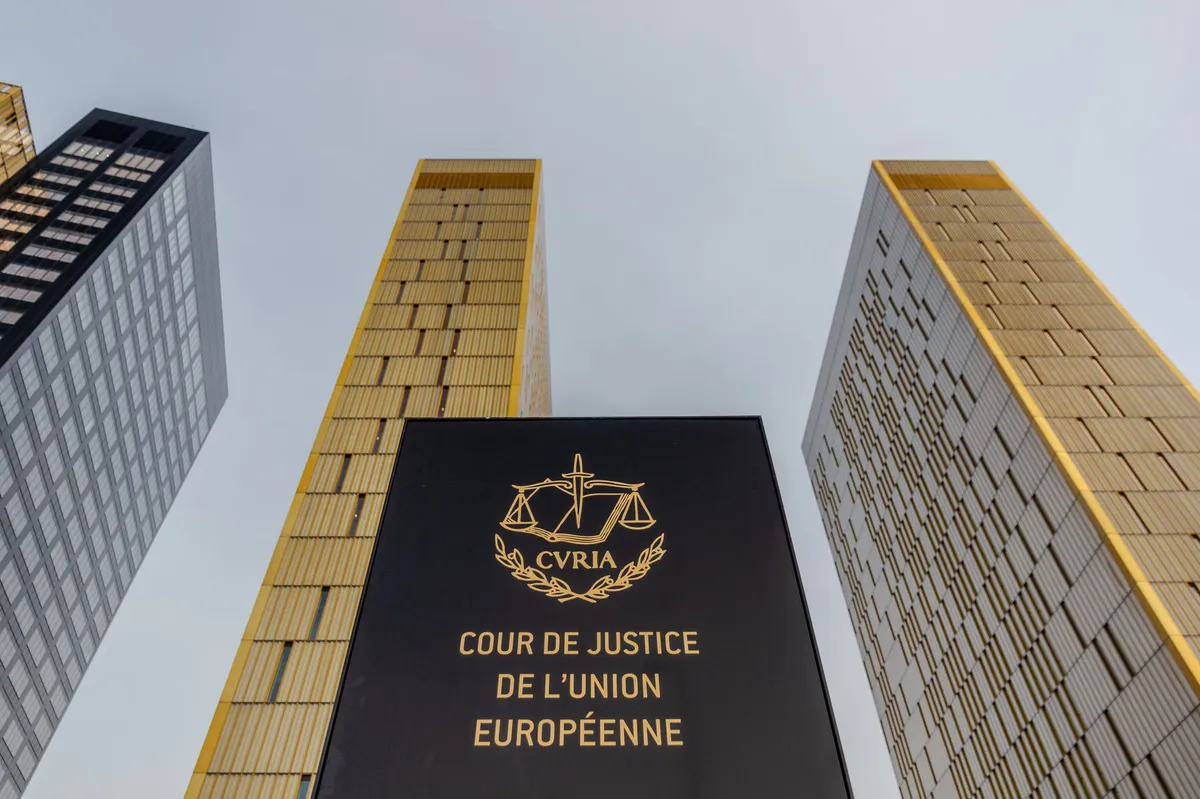
In a landmark ruling, the European Court of Human Rights (ECHR) has taken a significant stance regarding Ukraine's pretrial detention practices amid the ongoing conflict with Russia. The court's decision underscores that the mere existence of a national security threat does not automatically warrant the detention of suspects without sufficient justification. This ruling is crucial as it addresses the delicate balance between national security and the rights of individuals, especially in a nation grappling with the repercussions of war.
The case revolved around two individuals: Anatoliy Derevyanko, an engineer accused of collaborating with occupying forces, and Yuliya Tarasova, a pharmaceutical sales representative accused of aiding the Russian war effort. Both had been detained under Ukraine's martial law, which defaulted to pretrial detention for many national security offenses. However, the ECHR found that the justifications provided by Ukrainian courts for their continued detention were inadequate, highlighting a need for a more nuanced approach to such cases.
Understanding Ukraine's Martial Law and Pretrial Detention
Following the full-scale invasion by Russia in 2022, Ukraine enacted martial law that significantly altered the legal landscape regarding criminal proceedings, particularly for national security offenses. Under this law, pretrial detention became the norm, with judges granted the power to impose less restrictive measures like bail, but often defaulting to detention due to the perceived risks involved.
The ECHR's ruling emphasizes that even under martial law, Ukrainian judges must provide individualized assessments of each case, rather than relying on broad assumptions regarding the risk of flight or witness tampering. This principle is vital in ensuring that the rights of the accused are protected, even in a time of war.

Specific Cases: Derevyanko and Tarasova
Derevyanko's Case
Anatoliy Derevyanko spent nearly twenty months in custody, accused of collaborating with Russian forces by operating a grain-processing plant in Balakliya, a city that was under occupation. Prosecutors argued that his release posed a flight risk and that he could influence witnesses. However, the ECHR found these justifications lacking, particularly noting that Derevyanko remained at his registered address for months after the Ukrainian military regained control of Balakliya.
Moreover, the court criticized the reliance on the potential severity of his sentence as a reason for detention. The judges pointed out that merely facing serious charges does not equate to a valid risk of flight. This ruling illustrates the necessity for courts to provide specific evidence when justifying pretrial detention, rather than relying on generalized fears.
Tarasova's Case
Yuliya Tarasova, accused of shipping anesthetic medicines to Russia under the guise of legitimate trade routes, also faced pretrial detention. While the court acknowledged the initial evidence against her, it ultimately found that her cooperation with authorities and decision to remain in Ukraine undermined the need for continued detention. The ECHR criticized the Ukrainian courts for relying on vague assertions of potential risks without substantiating why they applied to her case specifically.
Both cases highlight the complex moral and legal dilemmas faced by civilians in occupied territories, where survival often necessitates cooperation with occupying forces, raising difficult questions about culpability and collaboration.
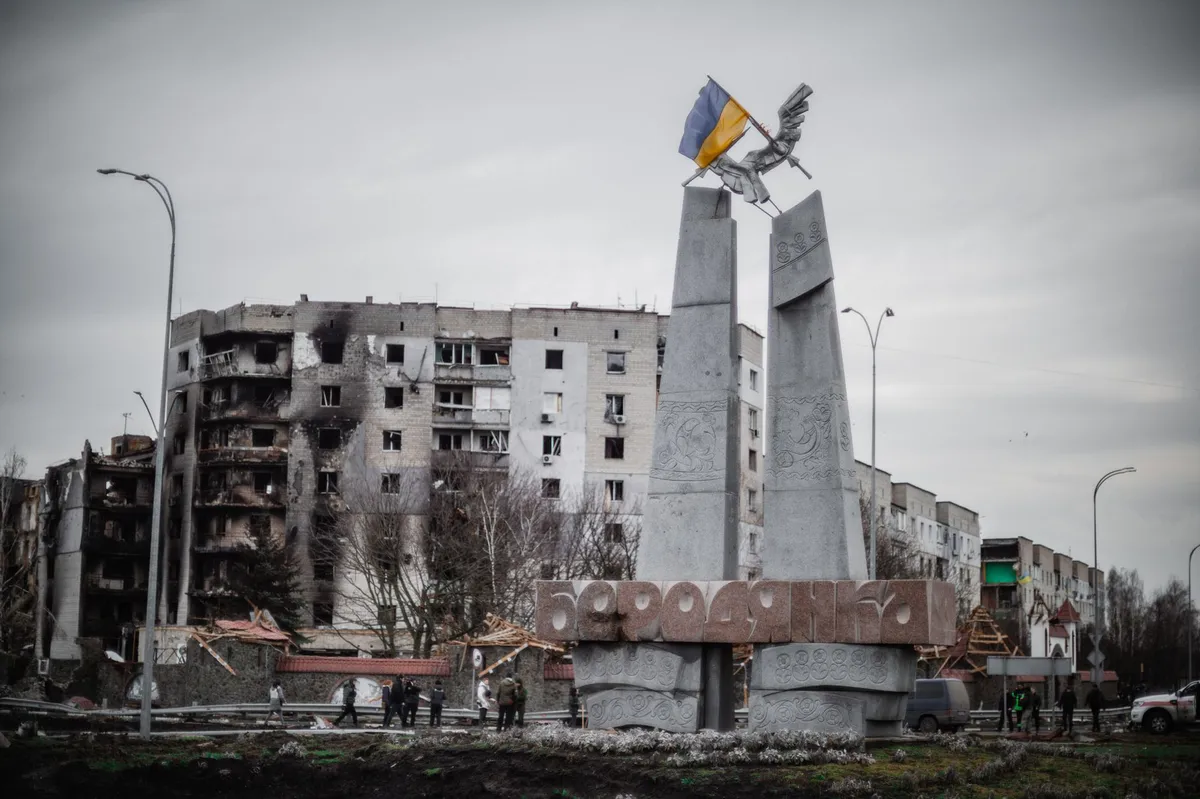
The Court's Distinction: Evidence vs. Assumptions
The ECHR's rulings emphasize a critical distinction between cases where judges base their decisions on solid evidence versus those relying on generalized assumptions. In a separate ruling involving two former police officers accused of collaborating with Russian intelligence, the court found sufficient grounds for their pretrial detention based on actual evidence and their professional background. This inconsistency underscores the need for judges to apply rigorous standards when determining the necessity of pretrial detention.
Brice Dickson, an emeritus professor of law, noted that the ECHR's judgments underscore the importance of having 'relevant and sufficient' reasons supported by credible evidence when keeping individuals in custody. The court emphasized that the potential length of a prison sentence should not automatically lead to assumptions about a suspect's likelihood to flee.
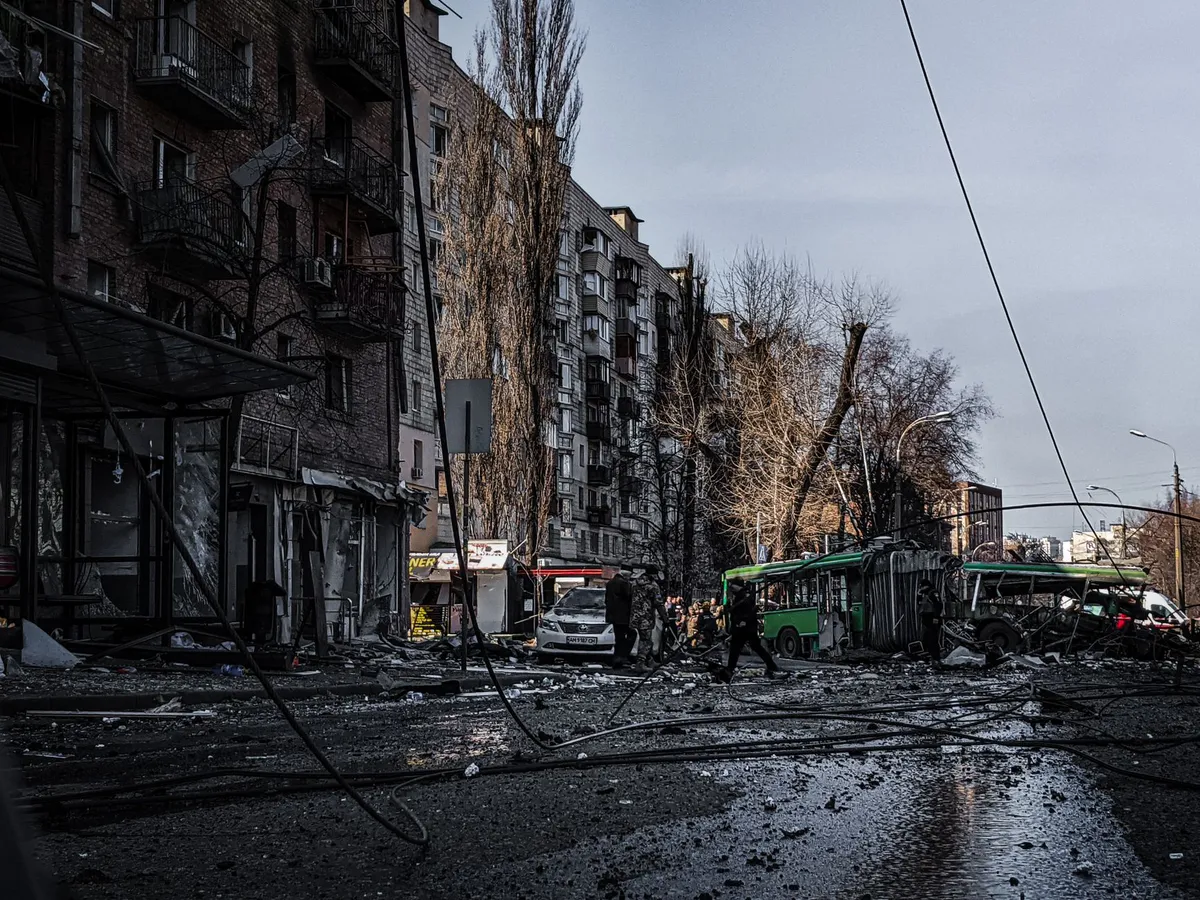
Implications for Justice and Public Trust
The ECHR's ruling is not only a legal precedent but also a crucial element in fostering public trust in the justice system during wartime. Sergiy Chub, Derevyanko's lawyer, highlighted the humanitarian crisis faced by civilians under occupation, arguing that the courts must distinguish between survival-driven actions and genuine criminal collaboration.
Chub's remarks emphasize the need for a balanced judicial approach that considers the extraordinary circumstances under which individuals operate during conflict. The ruling serves as a reminder that justice must prevail even in the most challenging times, reinforcing the notion that fair legal proceedings are essential for maintaining public confidence in the rule of law.
Ongoing Legal Proceedings and Future Outlook
While the ECHR's judgments are significant, the cases of Derevyanko and Tarasova are not yet concluded. Derevyanko's conviction is currently under review by Ukraine's Supreme Court, and Tarasova has been released on bail but continues to face legal scrutiny. The possibility of further appeals to the ECHR's Grand Chamber remains, as either party may seek to have the cases re-evaluated within three months.
As these cases unfold, the international legal community will closely monitor how Ukraine navigates the complexities of justice during wartime. The balance between national security and individual rights remains a contentious issue that will require ongoing attention and careful handling by the courts.
Key Takeaways
- The ECHR ruled that Ukraine's pretrial detention practices during martial law lack sufficient justification in certain cases.
- Anatoliy Derevyanko and Yuliya Tarasova's detentions were deemed unjustified due to inadequate evidence of flight risk or witness tampering.
- The court emphasized the need for individualized assessments rather than generalized assumptions in pretrial detention cases.
- Public trust in the justice system is essential, particularly in wartime, and must be upheld through fair legal proceedings.
- Ongoing legal proceedings for both Derevyanko and Tarasova highlight the complexities of justice in conflict zones.
Frequently Asked Questions
What are the implications of the ECHR ruling for Ukraine's legal system?
The ECHR ruling calls for a reevaluation of how Ukrainian courts handle pretrial detention during wartime. It emphasizes the need for individualized assessments and credible evidence to justify keeping individuals in custody. This ruling could lead to reforms in judicial practices and enhance the protection of individual rights even in times of national crisis.
How does this ruling impact the perception of justice in wartime?
This ruling reinforces the principle that justice must be maintained even during conflict. By highlighting the need for fair legal proceedings, the ECHR aims to bolster public confidence in the justice system, ensuring that the rights of individuals are not overlooked in the name of national security. Maintaining public trust is crucial for the legitimacy of any legal system, particularly during wartime.
What options do the accused have following the ECHR ruling?
Following the ECHR ruling, both Derevyanko and Tarasova have the option to continue their legal battles in Ukrainian courts, seeking appeals and potentially looking for a referral to the ECHR's Grand Chamber. Their cases will remain under scrutiny, and further legal developments could shape the outcomes of their appeals and the broader implications for similar cases in Ukraine.
How does the ECHR determine the validity of detention in such cases?
The ECHR evaluates the validity of detention by assessing whether courts have provided 'relevant and sufficient' reasons supported by credible evidence for pretrial detention. The court looks for individualized justifications rather than relying on generalized fears or assumptions, ensuring that the rights of the accused are upheld in accordance with international human rights standards.
This article is intended for informational purposes only and does not constitute legal advice.
Comments
Navigating Corporate Responsibilities in Property Redevelopment
As urban areas undergo redevelopment, the responsibilities of developers extend beyond mere construction. This article delves into the legal, environmental, and social obligations that modern developers must navigate to ensure successful and responsible projects.

Related articles




Popular in Business Law
- Supreme Court Justices' Financial Disclosures: A Closer Look
- Vishal Garg's Leadership Fallout: The Rise and Fall of Better.com
- Former Intelligence Official Faces Penalty for Post-Government Misconduct
- Blank Rome Faces Lawsuit After Major Data Breach Exposes Personal Information
- Congress Faces Reckoning Over Member-Staff Relationships