Navigating Corporate Responsibilities in Property Redevelopment
As urban areas undergo redevelopment, the responsibilities of developers extend beyond mere construction. This article delves into the legal, environmental, and social obligations that modern developers must navigate to ensure successful and responsible projects.

In the evolving landscape of urban development, property redevelopment has emerged as a cornerstone of revitalizing aging cities and towns. Former industrial sites, outdated commercial buildings, and underutilized properties are increasingly being transformed into vibrant housing, retail spaces, and mixed-use developments. While these projects often signal economic recovery and community enhancement, they come with a complex array of responsibilities that extend far beyond the construction phase. Today’s developers must navigate legal obligations, environmental considerations, workplace safety requirements, and community expectations, all of which play a critical role in the overall success of a redevelopment project.
Traditionally, redevelopment projects have garnered attention for their finished products—new housing units, commercial opportunities, and improved public spaces. Yet, crucial legal and ethical challenges arise long before a project is completed. In fact, a successful redevelopment venture is often defined not just by its financial returns but also by how responsibly it is executed. Understanding this delicate balance is essential for developers aiming to avoid potential pitfalls and foster positive community relations.
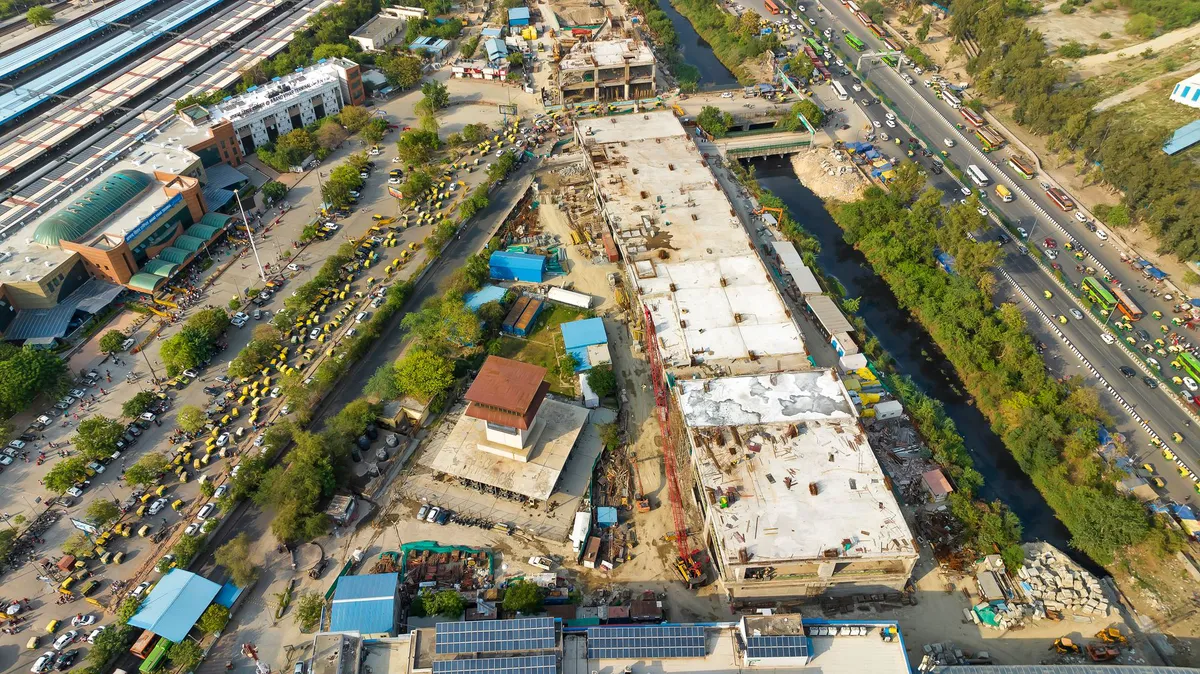
Understanding Legal Obligations in Redevelopment
Property redevelopment is governed by a myriad of laws and regulations that vary by jurisdiction. Developers must understand these legal obligations, particularly as they relate to site preparation, environmental assessments, and workplace safety. The initial stages of redevelopment often involve demolition, remediation, and site preparation, all of which come with their own set of risks. These include:
- Hazardous materials: Many older buildings contain materials like lead paint, asbestos, and contaminated soil that require careful handling and remediation.
- Structural integrity: Developers must assess the condition of existing structures to ensure safety and compliance with modern building codes.
- Environmental contamination: Properties with a history of industrial use may pose significant environmental risks that need to be addressed through comprehensive assessments.
Failure to identify and manage these risks can lead to severe consequences, including regulatory enforcement actions, project delays, civil claims for damages, and reputational harm. Therefore, responsible redevelopment necessitates thorough due diligence, including comprehensive site assessments and risk management strategies before any physical work begins.

Workplace Safety: A Shared Responsibility
While workplace safety is frequently discussed in terms of contractors and construction firms, the responsibility for ensuring safe working conditions extends up the supply chain to developers, property owners, and project managers. All parties involved have a vested interest in ensuring that redevelopment activities comply with safety regulations and are conducted in a safe manner. This involves:
Establishing Safety Protocols
Developers must set appropriate safety protocols, engage qualified professionals, and provide adequate training for workers. Training programs may cover critical topics such as:
- Hazard identification
- Site safety procedures
- Asbestos awareness
Such educational initiatives contribute to a robust safety culture, significantly reducing the risk of workplace accidents. Moreover, courts and regulators increasingly expect organizations to adopt proactive approaches to workplace risk management, making safety a central component of any redevelopment project.

Environmental Stewardship in Redevelopment
In today’s market, environmental considerations are paramount in the redevelopment process. Many jurisdictions mandate environmental assessments prior to the commencement of redevelopment, particularly when dealing with former industrial sites. Developers must be equipped to handle:
- Contamination: Addressing any environmental contamination found on-site is crucial, including soil and water testing and remediation.
- Waste management: Implementing effective strategies for managing waste generated during construction to minimize environmental impact.
- Long-term commitments: Some environmental responsibilities may extend well beyond project completion, necessitating ongoing monitoring and remediation efforts.
Legal compliance in environmental matters is not merely about adhering to regulations; it also encompasses the broader expectation of environmental stewardship. Developers are increasingly held accountable for their long-term impact on the environment, requiring a shift in how they approach project planning and execution.
Community Engagement: Securing a Social License to Operate
As redevelopment projects can significantly alter the character of surrounding neighborhoods, community engagement has become an essential aspect of the redevelopment process. Developers are expected to actively engage with local stakeholders to address their concerns and foster support for the project. This engagement often includes:
- Transparent communication: Keeping the community informed about project plans and timelines.
- Meaningful consultation: Soliciting feedback and addressing legitimate concerns raised by community members.
- Responsiveness: Adapting project plans based on community input where feasible.
Although maintaining a “social license to operate” is not a formal legal requirement, it is crucial for ensuring project success. Community opposition can lead to regulatory scrutiny, planning delays, and even project cancellations. Therefore, fostering positive relationships with local communities is not only a matter of corporate responsibility but also a strategic necessity.

The Role of Corporate Governance in Redevelopment
Finally, corporate governance has emerged as a critical consideration in property redevelopment. Stakeholders, including investors, regulators, and the public, are increasingly scrutinizing how organizations manage risk associated with workplace safety, environmental impact, and legal compliance. Boards of directors and senior leadership teams are expected to take an active role in overseeing these matters rather than relegating them to operational concerns.
This shift reflects a broader trend towards corporate accountability, where organizations are evaluated not just on the outcomes of their projects but on the processes they employ to achieve them. Effective governance frameworks can ensure that redevelopment projects align with legal requirements while also supporting broader business objectives, ultimately leading to sustainable and responsible development.
Key Takeaways
- Legal obligations in redevelopment include managing hazardous materials and ensuring structural integrity.
- Workplace safety is a shared responsibility among all parties involved in a project.
- Environmental stewardship requires proactive assessment and management of contamination and waste.
- Community engagement is critical for securing a social license to operate and ensuring project success.
- Corporate governance plays a crucial role in overseeing risk management and compliance in redevelopment projects.
Frequently Asked Questions
What are the primary legal obligations developers must consider during redevelopment?
Developers must navigate various legal obligations, including compliance with local zoning laws, environmental regulations, and workplace safety standards. Additionally, they are responsible for identifying and managing hazardous materials found on-site, ensuring that all activities meet current health and safety standards to protect workers and the community.
How can developers ensure workplace safety during redevelopment projects?
To ensure workplace safety, developers should establish comprehensive safety protocols, conduct regular training for all personnel, and engage qualified professionals who can oversee safety measures. Additionally, fostering a culture of safety awareness among workers is essential to minimize risks associated with construction activities.
What role does community engagement play in redevelopment?
Community engagement is vital for developers to secure support for their projects. By maintaining transparent communication, consulting with local stakeholders, and addressing community concerns, developers can foster goodwill and mitigate opposition, which can lead to smoother project approvals and implementation.
What is the significance of corporate governance in property redevelopment?
Corporate governance is increasingly important in ensuring that organizations take a holistic approach to risk management in redevelopment. Stakeholders expect boards and leadership teams to actively participate in overseeing compliance with safety and environmental standards, which reflects a commitment to corporate responsibility and sustainable development practices.
Disclaimer: This content is general information and not legal advice.
Comments
European Court Ruling: Ukraine's Wartime Detention Policies Under Scrutiny
The European Court of Human Rights has ruled that Ukraine's wartime policies do not justify automatic pretrial detention for all national security suspects. This decision highlights a critical balance between security measures and individual rights amid ongoing conflict.

Related articles





Popular in Business Law
- Supreme Court Justices' Financial Disclosures: A Closer Look
- Vishal Garg's Leadership Fallout: The Rise and Fall of Better.com
- Former Intelligence Official Faces Penalty for Post-Government Misconduct
- Blank Rome Faces Lawsuit After Major Data Breach Exposes Personal Information
- Congress Faces Reckoning Over Member-Staff Relationships