Thunderstorms Clear Wildfire Smoke Ahead of World Cup Final
As thunderstorms sweep through the Northeast, meteorologists predict a significant clearing of wildfire smoke just in time for the World Cup final. This article explores the weather dynamics, air quality implications, and the broader context of ongoing wildfires in Canada.
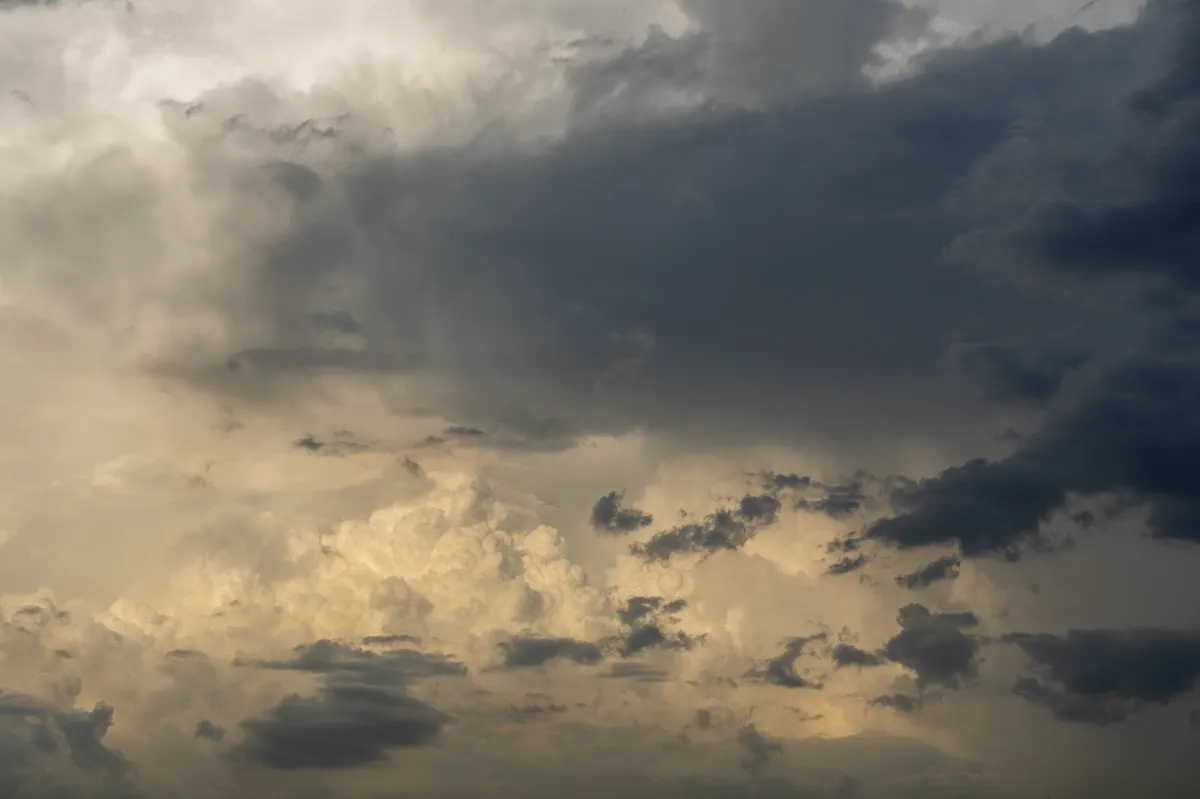
The anticipation for the World Cup final between Spain and Argentina is palpable, especially with the added concern of wildfire smoke that has plagued the Northeast U.S. in recent days. Fortunately, the arrival of thunderstorms is expected to significantly improve air quality just in time for the match at MetLife Stadium in East Rutherford, New Jersey. Meteorologists have indicated that these storms will not only clear the smoke but also enhance the overall conditions for fans and players alike.
Smoke from rampant wildfires in Canada has enveloped much of the Northeast, leading to warnings about unhealthy air quality that affected daily life and outdoor activities. As the thunderstorms approach, residents and fans are hopeful for relief from the haze that has been a constant undercurrent in the region. With the weather forecast indicating a dramatic turnaround, spectators can look forward to a clearer sky and improved air quality as they gather to witness this prestigious sporting event.
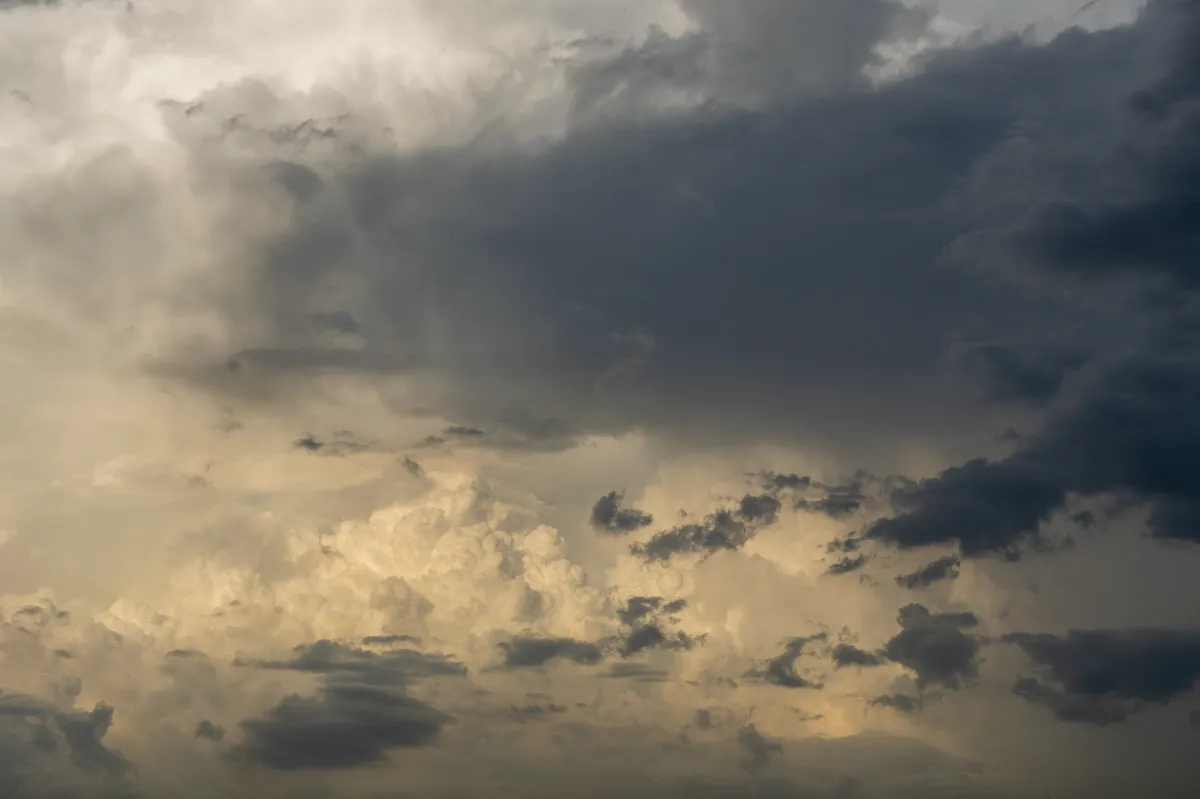
The Impact of Wildfire Smoke on Air Quality
The smoke from the Canadian wildfires has raised alarm bells across the United States, particularly in the Northeast where air quality has deteriorated to unhealthy levels. On the day prior to the World Cup final, conditions were so poor that officials at MetLife Stadium urged attendees to seek shelter during heavy rain and thunder. New Jersey Governor Mikie Sherrill warned of potential hazards, including damaging winds, tornadoes, and flash flooding. These severe weather conditions created a complex scenario for both fans and teams arriving for the final.
AccuWeather's Tyler Roys explained that while the thunderstorms will help disperse the thickest smoke, some residual haze might linger. However, it is anticipated that the air quality will shift from being classified as “unhealthy” for sensitive groups to a more acceptable “moderate” level by game time. This improvement means minimal health risks for the general public, a significant relief for those attending the event.

The Role of Meteorology in Event Preparation
Understanding air quality is critical during large public events, especially those like the World Cup final that draw massive crowds. Meteorologists monitor air quality indices closely, reporting changes every ten minutes. David Lu, CEO of Clarity Movement, emphasized the importance of real-time data to ensure the safety of attendees. His company's monitoring services have shown fluctuating air quality levels, highlighting the need for ongoing vigilance in response to changing environmental conditions.
Chief Meteorologist Jeff Berardelli from WFLA-TV reassured fans that the storm front would effectively cleanse the atmosphere, allowing spectators to enjoy the match without the danger of inhaling harmful pollutants. Nevertheless, individuals sensitive to air quality should remain cautious and check real-time updates, especially those with pre-existing respiratory conditions.
Political Implications and Environmental Responsibility
The wildfire smoke crossing into the U.S. has sparked political tensions, particularly between American and Canadian leaders. President Donald Trump publicly criticized Canada, suggesting that the U.S. is being “invaded” by polluted air and threatening tariffs as a form of retribution. Meanwhile, Ontario Premier Doug Ford labeled the rhetoric as unacceptable, emphasizing that climate change is a collective responsibility that transcends borders.
Prime Minister Mark Carney of Canada defended his country's efforts in combating wildfires and called for collaboration rather than blame, underscoring that climate change impacts everyone. The ongoing wildfires in Canada, intensified by climate change, have resulted in hundreds of active blazes, with vast areas being scorched and evacuations underway in provinces like Nova Scotia and Ontario.
The Current Wildfire Situation in Canada
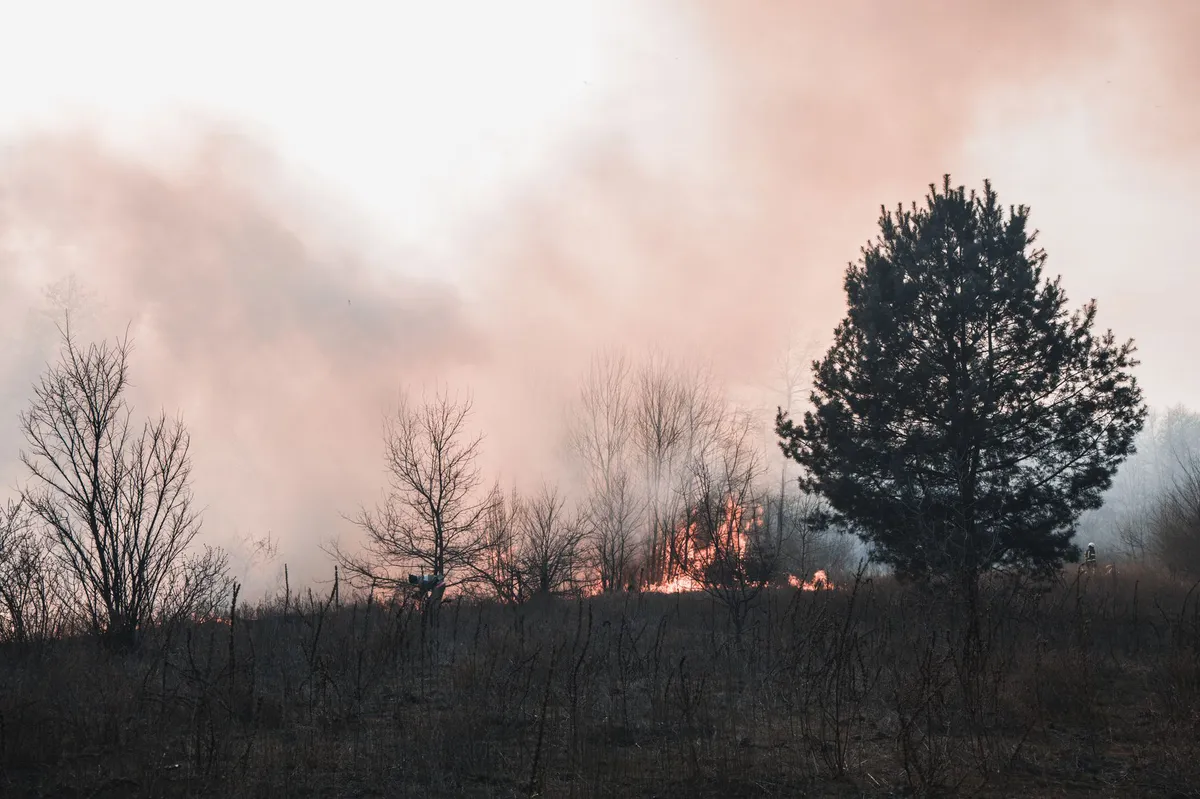
The situation in Canada is dire, with reports indicating that wildfires are burning longer and more intensely than ever before. This year alone, nearly 200 wildfires have ravaged Ontario, surpassing the total land area burned in the previous year. In British Columbia, the number of active fires has surged dramatically following a series of lightning strikes, showcasing the unpredictable nature of wildfire outbreaks in the context of changing climate conditions.
Fire Chief Dave Tarini from Thunder Bay described this fire season as unprecedented, emphasizing the challenges faced by firefighting crews. As Canadian authorities issue air quality warnings and work to control the blazes, the interconnectedness of weather patterns and environmental health becomes increasingly evident.
Looking Ahead: Weather and Air Quality Monitoring
As the World Cup final approaches, meteorologists are optimistic that the thunderstorms will have a lasting positive impact on air quality. Temperatures are expected to hover around 80 degrees Fahrenheit (27 degrees Celsius), accompanied by light breezes and low humidity—ideal conditions for a memorable sporting event. Both Roys and Berardelli concur that the more severe smoke will remain concentrated in areas closer to the fires, away from the stadium.
This positive outlook not only enhances the experience for fans and players but also serves as a reminder of the importance of preparedness in the face of natural disasters. As climate change continues to influence weather patterns, communities must adapt and respond proactively to mitigate risks associated with air quality and public health during major events.
Key Takeaways
- Thunderstorms are expected to clear wildfire smoke from the Northeast before the World Cup final.
- Air quality is forecasted to improve from “unhealthy” to “moderate” levels, posing minimal risks to the general public.
- Political tensions have arisen between the U.S. and Canada over wildfire smoke, highlighting climate change responsibilities.
- Ongoing wildfires in Canada are unprecedented, with hundreds of active fires affecting air quality across North America.
- Real-time air quality monitoring is vital for ensuring the safety of attendees during large public events.
Frequently Asked Questions
What is the current air quality situation for the World Cup final?
The air quality in East Rutherford is expected to improve significantly due to incoming thunderstorms. The air quality index is projected to shift from “unhealthy” for sensitive groups to “moderate,” meaning that the general public will face little to no health risks. However, those with respiratory sensitivities should remain cautious and monitor air quality updates.
How are wildfires in Canada affecting the U.S.?
Wildfires in Canada are leading to significant smoke pollution that travels across the border, impacting air quality in the U.S. regions, particularly in the Northeast. This situation has drawn political responses, with U.S. officials attributing blame to Canada while Canadian leaders emphasize shared responsibilities in addressing climate change.
What measures are in place to monitor air quality during events?
Air quality at large events like the World Cup final is continuously monitored by specialized technology that provides real-time updates. Companies like Clarity Movement are tasked with measuring air quality every ten minutes, enabling event organizers to make informed decisions regarding public safety based on current conditions.
What should attendees do if they are sensitive to air quality?
Individuals with sensitivities to air quality should check the air quality index before attending events, particularly during times of heightened pollution from wildfires. It is advisable to take precautions such as wearing masks or staying indoors if air quality is deemed unsafe. They should stay informed through local news and weather services for the latest updates on air quality conditions.
This article is for informational purposes only and does not constitute legal advice.
Comments
David Crowley Resumes Wisconsin Governor Bid with Evers' Support
David Crowley has rejoined the Democratic primary for Wisconsin governor with the backing of outgoing Governor Tony Evers. This strategic move comes amid a chaotic political landscape as Democrats aim to regain control in the state.
Related articles


Popular in Business Law
- Supreme Court Justices' Financial Disclosures: A Closer Look
- Vishal Garg's Leadership Fallout: The Rise and Fall of Better.com
- Former Intelligence Official Faces Penalty for Post-Government Misconduct
- Blank Rome Faces Lawsuit After Major Data Breach Exposes Personal Information
- Congress Faces Reckoning Over Member-Staff Relationships