Mali's Escalating Conflict: Rebels Ambush Army Convoy, Casualties Rise
A recent ambush on a Malian army convoy by Islamic militants highlights the ongoing instability in the Sahel region. The attack resulted in significant casualties and captures, showcasing the growing threat posed by armed groups.
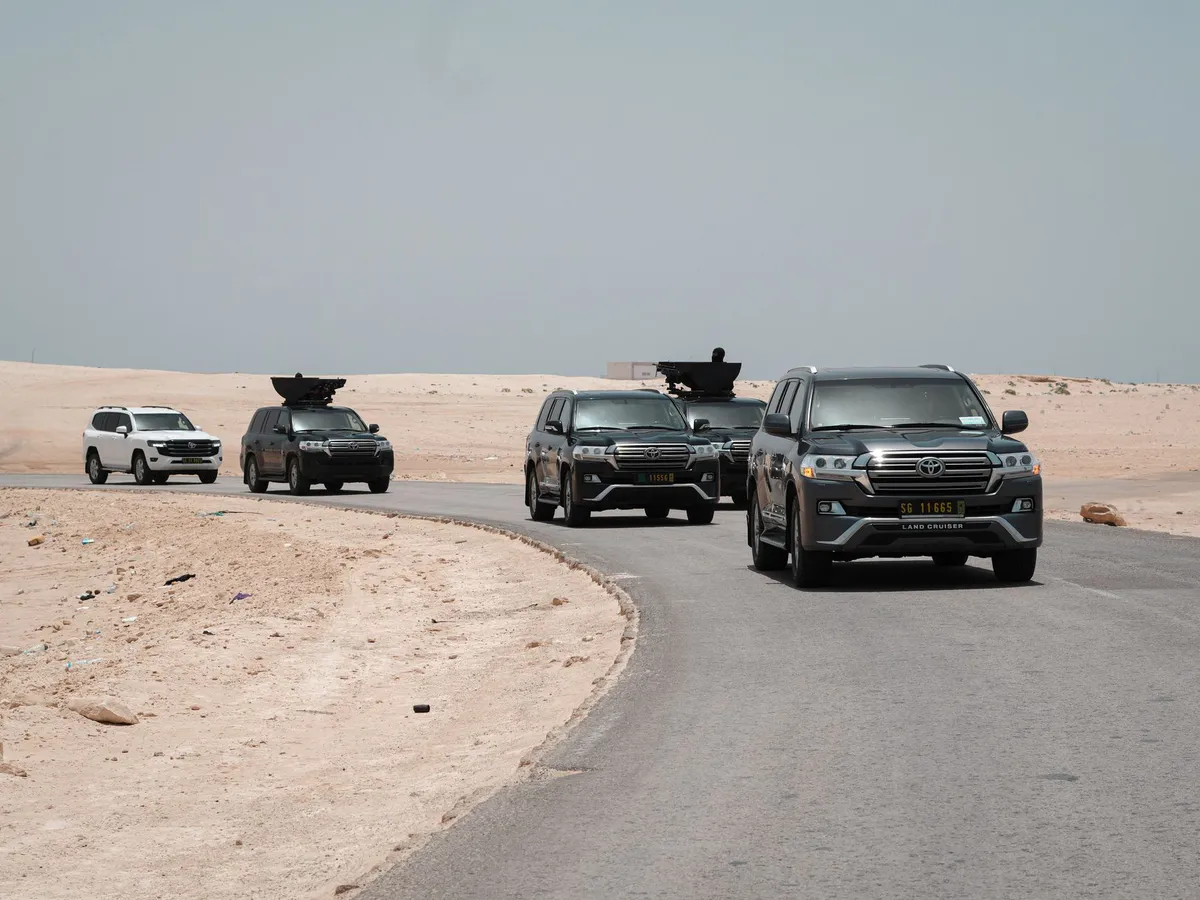
The conflict in Mali continues to intensify, with a recent ambush on a military convoy underscoring the dire security situation in the region. On Saturday, a convoy of Malian soldiers and their Russian partners was attacked by a coalition of Islamic militants and separatist groups in the northern Gao region, leading to reports of numerous soldiers being killed or captured. This incident not only highlights the persistent threat posed by armed groups in Mali but also raises concerns about the broader implications for regional stability.
The Malian army confirmed the ambush, stating that armed groups targeted their convoy in a remote area known for its rugged terrain and sparse population. The military has launched counterattacks in response, reflecting a pattern of escalating violence that has plagued Mali in recent months as various factions vie for control and influence in the Sahel region. The Sahel, a vast area that stretches across several West African countries, has increasingly become a hotspot for extremist violence and conflict.
The Attack: Details and Implications
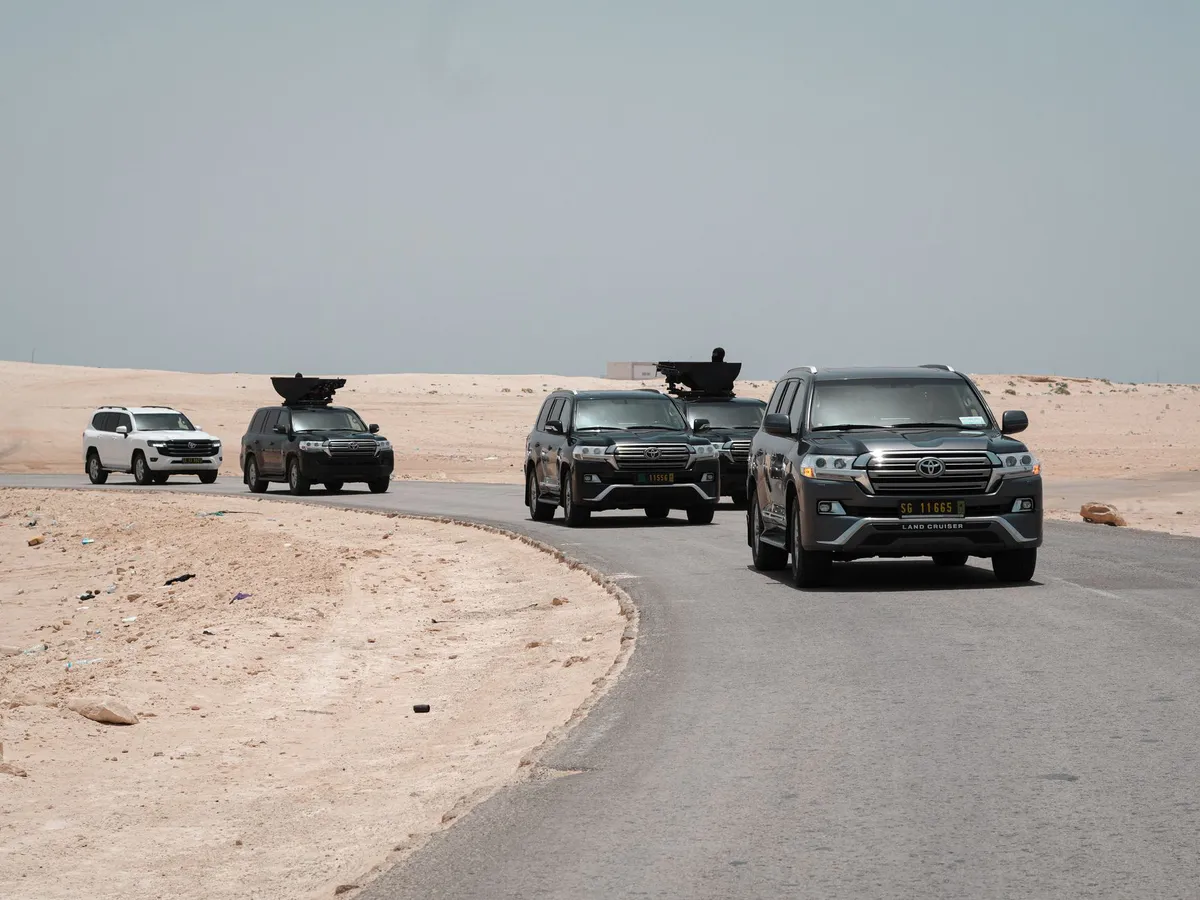
According to military sources, the convoy was en route from the northern town of Anefis to Gao city when it was ambushed. The nature of the convoy included not only military personnel but also logistical supplies, as evidenced by the presence of fuel tankers. This suggests that the convoy had a dual purpose: conducting military operations while ensuring necessary resources were transported to support ongoing efforts against insurgent groups.
Casualties and Claims of Responsibility
Both the al-Qaida affiliate known as JNIM and the Azawad Liberation Front (FLA) claimed responsibility for the ambush. The FLA spokesperson, Mohamed Elmaouloud Ramadane, reported significant casualties among the Malian soldiers, asserting that many were either killed or captured, and that military vehicles were destroyed or seized. Such statements are indicative of the militant groups’ increasing boldness and their capacity to inflict serious damage on Mali's military forces.
The Malian army later announced that it had executed “precision strikes” against the positions of the attackers, claiming to have neutralized several militants in a retaliatory effort. This back-and-forth escalation of violence is emblematic of a broader trend in which both sides are engaging in increasingly aggressive operations, leading to higher stakes in the ongoing conflict.
The Broader Context of the Sahel Conflict
As Mali grapples with these security challenges, it is crucial to understand the historical and geopolitical context driving the conflict. The Sahel region has been marred by instability for years, primarily due to the activities of various armed groups, including ethnic militias and Islamist factions. The Tuareg-led separatist movements have long sought autonomy or independence, creating a complex landscape where multiple groups are vying for power.
Historical Roots of the Conflict
The roots of the current conflict can be traced back to the 2012 rebellion by Tuareg groups seeking independence for an area they call Azawad. Over the years, these groups have fragmented and reformed, with the FLA emerging as a significant player in 2024. The FLA has increasingly collaborated with Islamist groups like JNIM, leading to coordinated attacks against Malian forces, including the largest joint operation in over a decade that took place earlier this year.
This collaboration raises questions about the future of governance and security in Mali. The ruling junta, which seized power in a coup in 2021, has struggled to maintain control and combat the rising tide of insurgency. As armed groups continue to consolidate their power, the prospects for peace and stability appear increasingly bleak.
Challenges for the Malian Military and International Response
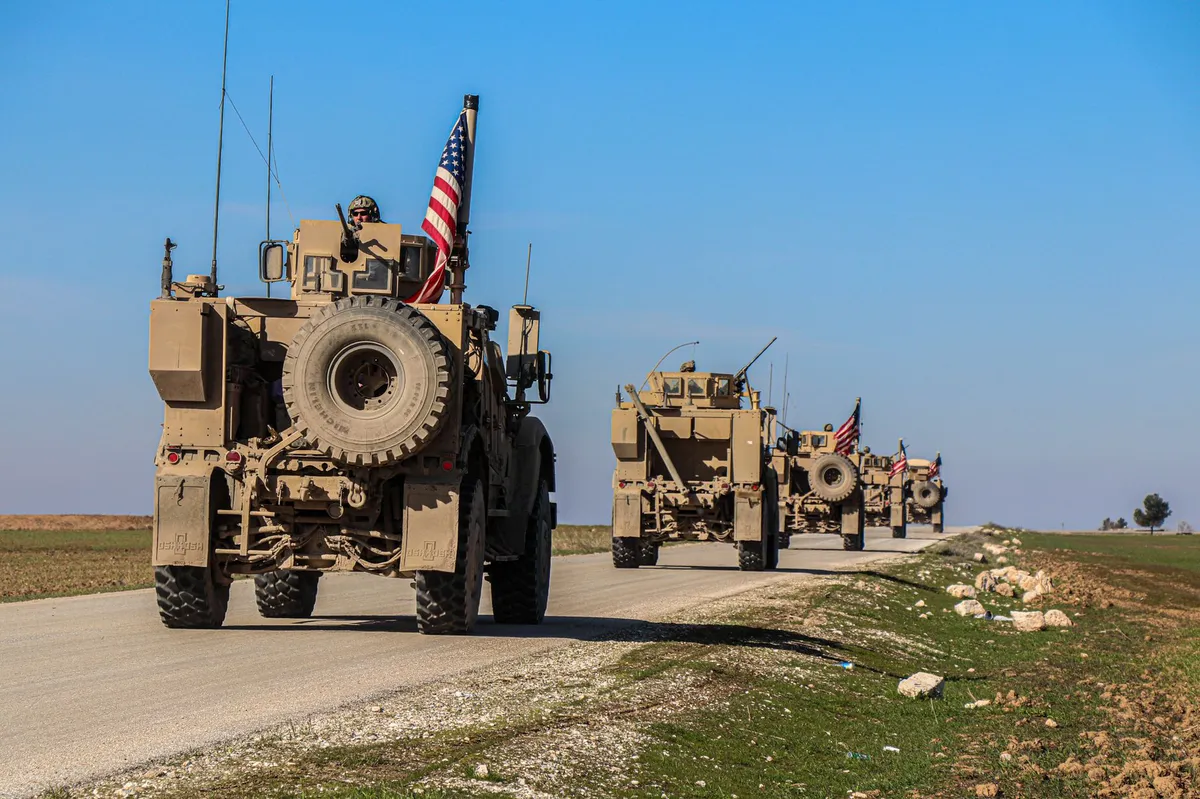
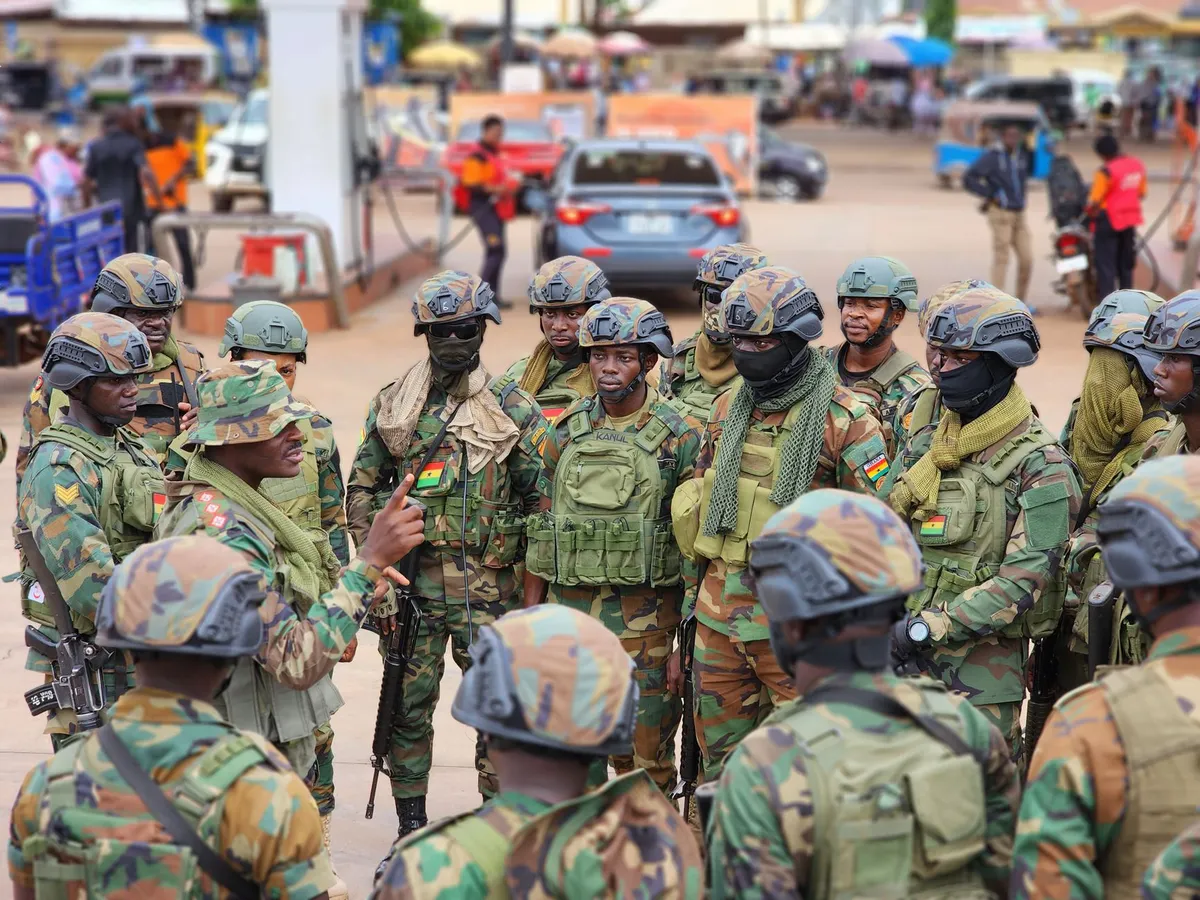
The Malian military faces significant challenges in combating these insurgent threats. Despite receiving support from foreign partners, including Russia’s Africa Corps, the effectiveness of such collaborations is being questioned. Critics argue that the presence of foreign military forces can exacerbate tensions and complicate the already fraught situation.
International Dynamics and Local Impact
The situation in Mali is further complicated by international dynamics, including the involvement of various foreign powers and organizations. The United Nations, for example, has been involved in peacekeeping efforts, but these initiatives have not significantly curtailed violence. The interplay of local grievances, regional power struggles, and international interests creates a multifaceted conflict that is difficult to resolve.
The civilian population is caught in the crossfire, facing displacement, violence, and a humanitarian crisis. The ongoing instability disrupts daily life, exacerbates poverty, and leads to increased recruitment of young men into militant groups, further perpetuating the cycle of violence.
Key Takeaways
- Recent Ambush: A Malian army convoy was ambushed by militants, resulting in significant casualties.
- Ongoing Violence: This attack is part of a larger trend of escalating violence in the Sahel region.
- Collaboration Among Armed Groups: The FLA and JNIM are increasingly working together, posing greater risks to Mali’s stability.
- International Involvement: Foreign military support has not effectively resolved the violence and may complicate matters further.
Frequently Asked Questions
What led to the ambush of the Malian army convoy?
The ambush was part of a broader conflict in Mali, where various armed groups, including Islamist militants and separatists, vie for control and influence. The convoy was targeted during its transit from Anefis to Gao city, reflecting the ongoing instability and violence in the region.
What is the role of foreign military forces in Mali?
Foreign military forces, particularly from Russia, have been involved in supporting the Malian army in combating insurgents. However, their presence has raised concerns about exacerbating existing tensions and complicating the local dynamics of the conflict.
How has the situation in Mali evolved over the years?
The situation in Mali has evolved from a separatist rebellion in 2012 to a complex conflict involving multiple armed groups, ethnic tensions, and international interventions. The emergence of coalitions between groups like the FLA and JNIM marks a significant shift in the tactics and strategies employed by these factions against Malian forces.
What are the humanitarian implications of the ongoing conflict?
The conflict has severe humanitarian implications, including widespread displacement, food insecurity, and a lack of access to essential services. The ongoing violence disrupts daily life, forcing many civilians to flee their homes and seek refuge in safer areas, where resources are often scarce.
This article is intended for informational purposes only and does not constitute legal advice.
Comments
Thunderstorms Clear Wildfire Smoke Ahead of World Cup Final
As thunderstorms sweep through the Northeast, meteorologists predict a significant clearing of wildfire smoke just in time for the World Cup final. This article explores the weather dynamics, air quality implications, and the broader context of ongoing wildfires in Canada.

Related articles


Popular in Business Law
- Supreme Court Justices' Financial Disclosures: A Closer Look
- Vishal Garg's Leadership Fallout: The Rise and Fall of Better.com
- Former Intelligence Official Faces Penalty for Post-Government Misconduct
- Blank Rome Faces Lawsuit After Major Data Breach Exposes Personal Information
- Congress Faces Reckoning Over Member-Staff Relationships