Big Tech Faces Legal Reckoning Over Copyright and AI Innovations
As AI technology evolves, Big Tech companies are encountering a surge of copyright lawsuits, raising critical questions about intellectual property rights. This article explores the implications for the tech industry and consumers alike.
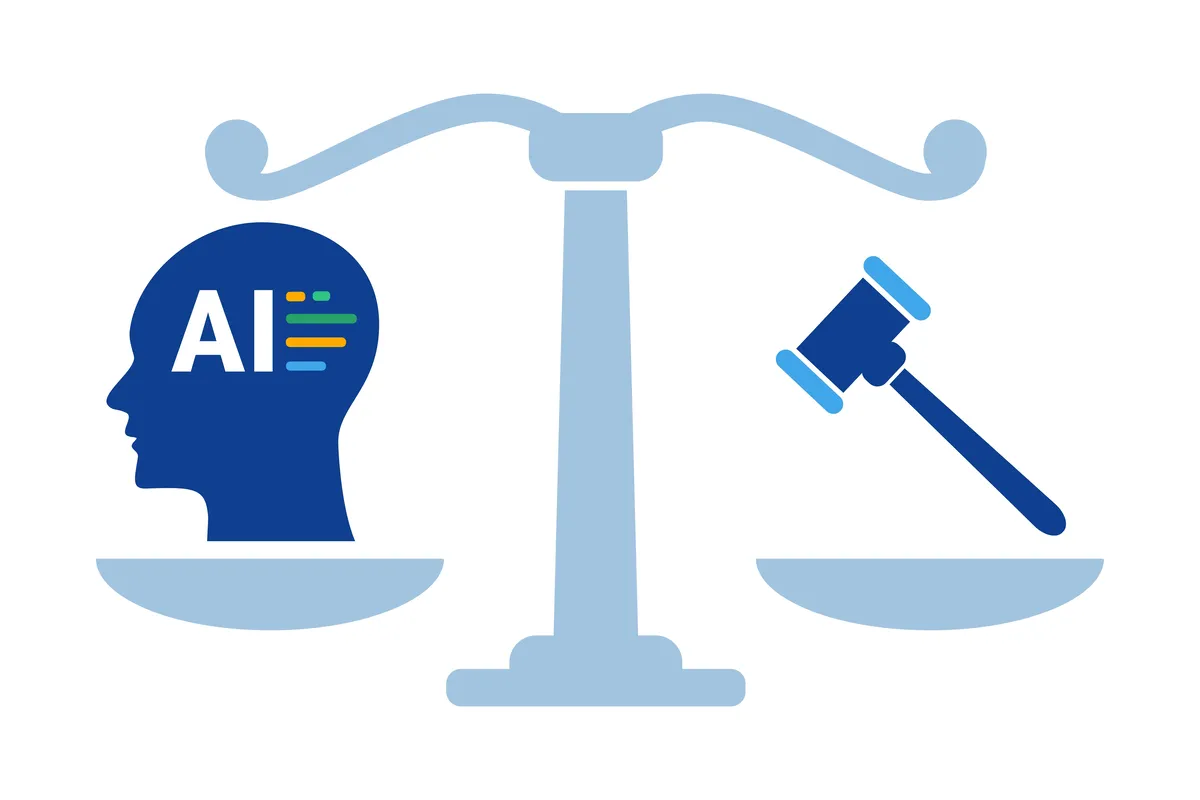
The rapid advancement of artificial intelligence (AI) technologies has brought about unprecedented opportunities for innovation and efficiency across multiple sectors. However, this surge in AI capabilities has also triggered a significant legal backlash. Major tech companies are increasingly facing a wave of copyright lawsuits, raising important questions about intellectual property rights in the digital age. As AI systems like ChatGPT and DALL-E create original content, the legal frameworks that govern copyright are being challenged, revealing a complex interplay between technology, creativity, and ownership.
Copyright law, designed to protect the rights of authors and creators, is rooted in the principle that original works of authorship must be attributed to their creators. However, with AI systems now capable of generating text, images, and even music, the question arises: who holds the copyright to works created by machines? This dilemma is at the heart of the current legal challenges facing Big Tech, as companies grapple with the implications of their AI innovations and the existing legal landscape.
The Rise of AI and Its Legal Implications
Over the past few years, AI technologies have made significant strides, leading to the emergence of tools that can produce content that rivals that of human creators. For example, AI models have been trained on vast datasets that include copyrighted materials, enabling them to learn artistic styles, writing techniques, and musical compositions. As these technologies become more prevalent, the potential for copyright infringement grows, prompting various stakeholders to take action.
Key Legal Cases
Several lawsuits have recently surfaced, highlighting the tension between technological advancement and copyright law:
- Getty Images vs. Stability AI: Getty Images filed a lawsuit against Stability AI, claiming that its AI model, which generates images based on textual descriptions, unlawfully used copyrighted images from Getty’s database to train its algorithms. This case underscores the ongoing debate over the use of copyrighted material in AI training datasets.
- OpenAI and Copyright Issues: OpenAI, the organization behind popular AI systems like ChatGPT, is also facing scrutiny over whether the content generated by its models infringes on existing copyrights. Critics argue that the outputs may unintentionally replicate copyrighted works.
- Musical Copyright Challenges: The music industry has not been immune to the challenges posed by AI, with lawsuits emerging over AI-generated songs that closely resemble existing tracks, raising questions about originality and copyright infringement.
The Impact on Big Tech and Consumers
The wave of copyright lawsuits against Big Tech companies holds significant implications for both the tech industry and consumers. For tech companies, the potential for costly legal battles can hinder innovation and progress. If companies are forced to navigate a complex legal landscape filled with uncertainty regarding copyright ownership and liability, this could slow down the development of new AI technologies.
For consumers, the ramifications are equally profound. As AI-generated content becomes more prevalent, consumers may face challenges in discerning the authenticity and originality of the works they encounter. This situation raises ethical questions about crediting creators and the value of human artistic expression in an era dominated by machine-generated content.
Legal Frameworks and Future Considerations
As the legal landscape surrounding AI and copyright continues to evolve, it is crucial for lawmakers and industry leaders to engage in meaningful dialogue. Current copyright laws, established long before the advent of AI, may need to be updated to reflect the realities of this new technological landscape.
Potential Reforms
Possible reforms could include:
- Clarifying Copyright Ownership: Laws could be amended to specify whether AI-generated works can be copyrighted and, if so, who would hold that copyright.
- Creating AI-Specific Regulations: New regulations could be developed that address the unique challenges posed by AI technologies, ensuring that creators are protected while fostering innovation.
- Enhancing Transparency in AI Training: Mandating transparency in how AI models are trained could help mitigate copyright infringement risks by ensuring that datasets used are legally sourced.
Key Takeaways
- Big Tech companies are facing a surge of copyright lawsuits linked to AI technologies.
- Current copyright laws may not adequately address the complexities of AI-generated content.
- Possible reforms could clarify copyright ownership and promote innovation while protecting creators.
- The impact of these legal challenges extends to consumers, affecting the authenticity of AI-generated works.
Frequently Asked Questions
What are the main legal issues surrounding AI and copyright?
The primary legal issues involve determining who owns the copyright to works created by AI systems, whether the use of copyrighted material in training datasets constitutes infringement, and how existing copyright laws can be adapted to address these challenges. As AI continues to evolve, these questions will become increasingly significant in legal discussions.
How might copyright laws change in response to AI technologies?
Copyright laws could potentially change to clarify the ownership of AI-generated content, define the boundaries of fair use regarding training datasets, and establish specific protections for human creators. Lawmakers may also consider creating a new category of copyright specifically for AI-generated works to ensure that both innovators and traditional creators are adequately protected.
What should consumers be aware of regarding AI-generated content?
Consumers should be aware that AI-generated content may not always be original and could inadvertently replicate existing works. Understanding the origin of the content, as well as the potential legal implications surrounding it, is essential for navigating this new landscape. This awareness can help consumers make informed decisions about the content they engage with.
How can companies mitigate the risks associated with AI and copyright infringement?
Companies can mitigate risks by implementing robust policies for sourcing training datasets, ensuring that they have appropriate licenses for any copyrighted material used. Additionally, they can prioritize transparency in AI model development and engage with legal experts to navigate the evolving landscape of copyright law.
Comments
New Jersey Assault Weapons Ban Overturned: Implications and Reactions
The Third Circuit Court's recent ruling against New Jersey's assault weapons ban raises significant legal and societal questions about gun rights and public safety. This article explores the ruling's background, its implications for gun laws nationwide, and the responses from various stakeholders.
Related articles

Popular in Business Law
- Supreme Court Justices' Financial Disclosures: A Closer Look
- Vishal Garg's Leadership Fallout: The Rise and Fall of Better.com
- Former Intelligence Official Faces Penalty for Post-Government Misconduct
- Blank Rome Faces Lawsuit After Major Data Breach Exposes Personal Information
- Congress Faces Reckoning Over Member-Staff Relationships