Charges of Misconduct Rock ICC: A Closer Look at Accountability in International Law
The top prosecutor at the International Criminal Court faces serious accusations of sexual misconduct, raising questions about accountability in international law. This article delves into the implications for the ICC and broader legal frameworks.
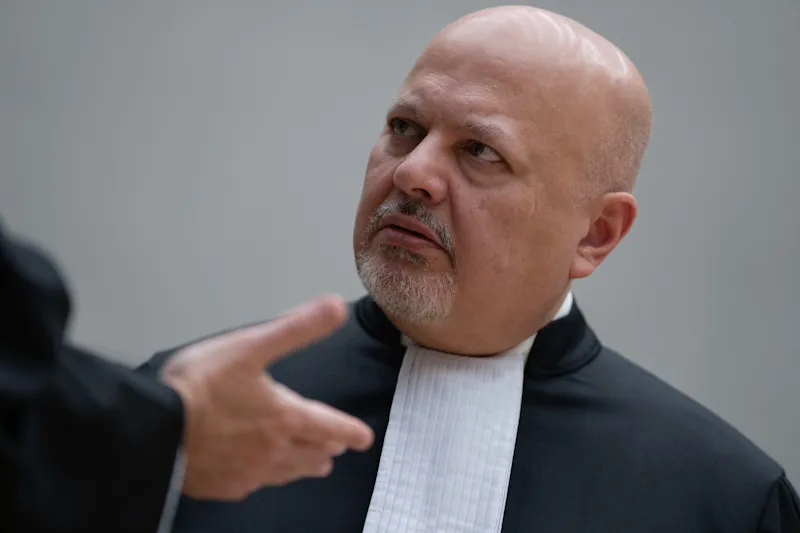
The International Criminal Court (ICC), an institution designed to prosecute individuals for serious crimes such as genocide, war crimes, and crimes against humanity, is facing a significant scandal involving its top prosecutor, Karim Khan. Accusations of sexual misconduct directed at Khan have raised alarm bells not only within the court but also among international legal observers and human rights advocates. These allegations bring to light the crucial issue of accountability in global legal frameworks and the protection of victims within such institutions.
As these accusations unfold, they prompt a critical examination of the structural integrity of the ICC and the mechanisms in place for addressing misconduct among its leadership. The ramifications of this situation extend far beyond Khan himself, potentially affecting the court's credibility, its ongoing investigations, and the very principles of justice and accountability that it seeks to uphold.

Understanding the Allegations Against Karim Khan
The allegations against Karim Khan are not merely personal; they reflect broader systemic issues faced by international institutions. Reports indicate that multiple individuals have come forward with accusations of inappropriate behavior, challenging the professional conduct expected from someone in his high-ranking position. Khan, who took office in June 2021, was seen as a reform-minded leader who could revitalize the ICC's efforts to bring justice to victims of atrocity crimes. However, these recent allegations could severely tarnish his legacy and the institution's reputation.
Impact of Misconduct Allegations on the ICC
The implications of these allegations are profound. The ICC has long been criticized for its perceived ineffectiveness and bias, particularly in its dealings with African nations. The current scandal could further undermine public confidence in the court, which relies heavily on cooperative relationships with member states and international organizations to carry out its mission. If the ICC is perceived as failing to hold its leaders accountable, it risks losing support from the very nations it aims to serve.
The Broader Context of Accountability in International Law
This incident highlights a critical issue within international law: the need for robust mechanisms to address misconduct at all levels. While national legal systems often have protocols for addressing allegations against public officials, the international arena lacks enforceable standards. The absence of a clear process for holding powerful figures accountable can create an environment where misconduct goes unchecked.
- Definition of Misconduct: Actions that violate ethical standards or legal principles.
- Accountability Mechanisms: Systems that ensure individuals face consequences for their actions.
- Impact on Victims: The failure to address misconduct can further traumatize victims seeking justice.

What Lies Ahead for the ICC and Its Leadership
As the ICC navigates the fallout from these allegations, it faces a critical crossroads. Leadership must not only address the allegations against Khan but must also take steps to reassure member states and the public of its commitment to justice and accountability. If Khan is found to have engaged in misconduct, the ICC will need to demonstrate that it can enforce its own standards of conduct without bias or favoritism.
Potential Reforms and Changes
The current situation may serve as a catalyst for reform within the ICC. Advocates for justice may push for the establishment of more stringent ethical guidelines and support structures for victims of misconduct. Additionally, there may be calls to create independent bodies tasked with investigating allegations against high-ranking officials within the court. Such changes could help restore faith in the ICC's ability to uphold justice not only for victims of crimes but also for those working within the institution.
Key Takeaways
- The allegations against Karim Khan highlight significant accountability issues within international law.
- The ICC's credibility is at stake as it confronts these serious accusations.
- There is a pressing need for reforms in accountability mechanisms at the ICC.
- The outcome of this situation could influence the future of international legal institutions.
Frequently Asked Questions
What are the specific allegations against Karim Khan?
The allegations against ICC Prosecutor Karim Khan include claims of sexual misconduct from multiple individuals. While the specifics of these allegations vary, they fundamentally challenge the integrity and professionalism expected from someone in his position. The details are still under investigation, and further disclosures may emerge as the process unfolds.
How does misconduct within the ICC affect its operations?
Misconduct allegations can severely disrupt the operations of the ICC. They can lead to loss of trust from member states and the public, which can hinder cooperation in ongoing investigations and prosecutions. Furthermore, such scandals can divert attention and resources away from the ICC's primary mission of delivering justice for victims of serious crimes.
What reforms could be implemented to prevent future misconduct?
To prevent future misconduct, the ICC could consider implementing stricter ethical guidelines, enhancing training for its officials on professional conduct, and establishing independent bodies that oversee claims of misconduct. Transparency in these processes is essential to restore trust and ensure that the institution can fulfill its mandate effectively.
Can victims of misconduct seek justice within the ICC?
Victims of misconduct within the ICC can face significant challenges in seeking justice, especially given the complexities of international law. However, there are mechanisms for reporting misconduct, and it is crucial that these are accessible and effective. Advocacy for victims' rights and protection is paramount to ensure that their voices are heard and that they can seek redress for any grievances they have experienced.
Comments
New Jersey Assault Weapons Ban Overturned: Implications and Reactions
The Third Circuit Court's recent ruling against New Jersey's assault weapons ban raises significant legal and societal questions about gun rights and public safety. This article explores the ruling's background, its implications for gun laws nationwide, and the responses from various stakeholders.

Related articles


Popular in Business Law
- Supreme Court Justices' Financial Disclosures: A Closer Look
- Vishal Garg's Leadership Fallout: The Rise and Fall of Better.com
- Former Intelligence Official Faces Penalty for Post-Government Misconduct
- Blank Rome Faces Lawsuit After Major Data Breach Exposes Personal Information
- Congress Faces Reckoning Over Member-Staff Relationships