Antitrust Allegations: TikTok, Fanatics, and NFL Face Lawsuit Over Memorabilia Monopoly
A Minnesota memorabilia seller accuses TikTok, Fanatics, and the NFL of conspiring to monopolize the sports memorabilia market, forcing independent sellers out. This lawsuit raises important questions about antitrust laws and their implications for small businesses in the digital marketplace.
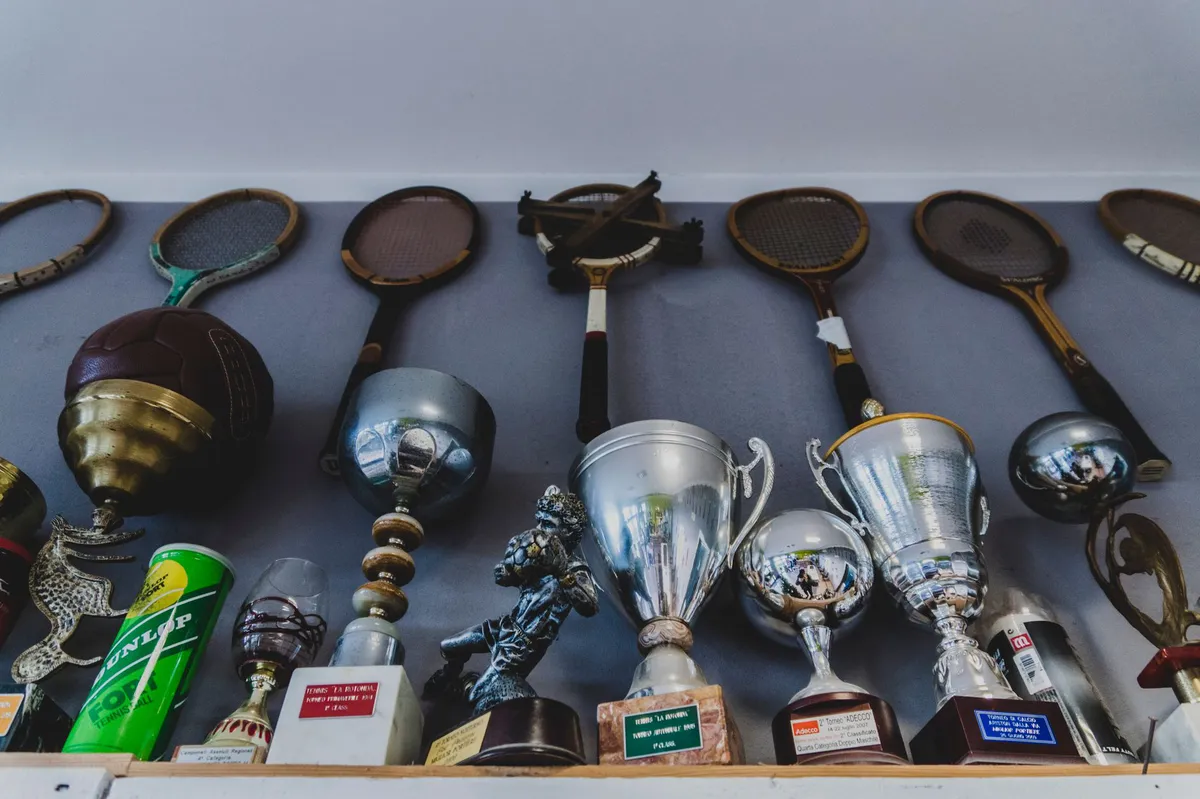
The digital marketplace has transformed commerce, particularly for niche markets such as sports memorabilia, which has seen a surge in popularity through platforms like TikTok. However, a recent lawsuit filed by David Allan Skalsky, a Minnesota-based memorabilia seller, raises significant concerns about monopolistic practices in this burgeoning industry. Skalsky's complaint against TikTok, Fanatics, and the NFL suggests a troubling conspiracy aimed at suppressing competition and eliminating independent sellers from the market, posing a serious threat to the economic landscape of sports collectibles.
Skalsky, who ran a successful livestream business known as Quad City Breaks, alleges that TikTok and its parent company ByteDance colluded with Fanatics and the NFL to create a monopolistic environment that favors Fanatics as the exclusive seller of NFL memorabilia. This lawsuit not only highlights the potential abuses within the digital marketplace but also points to the broader implications for independent entrepreneurs navigating the complexities of e-commerce.
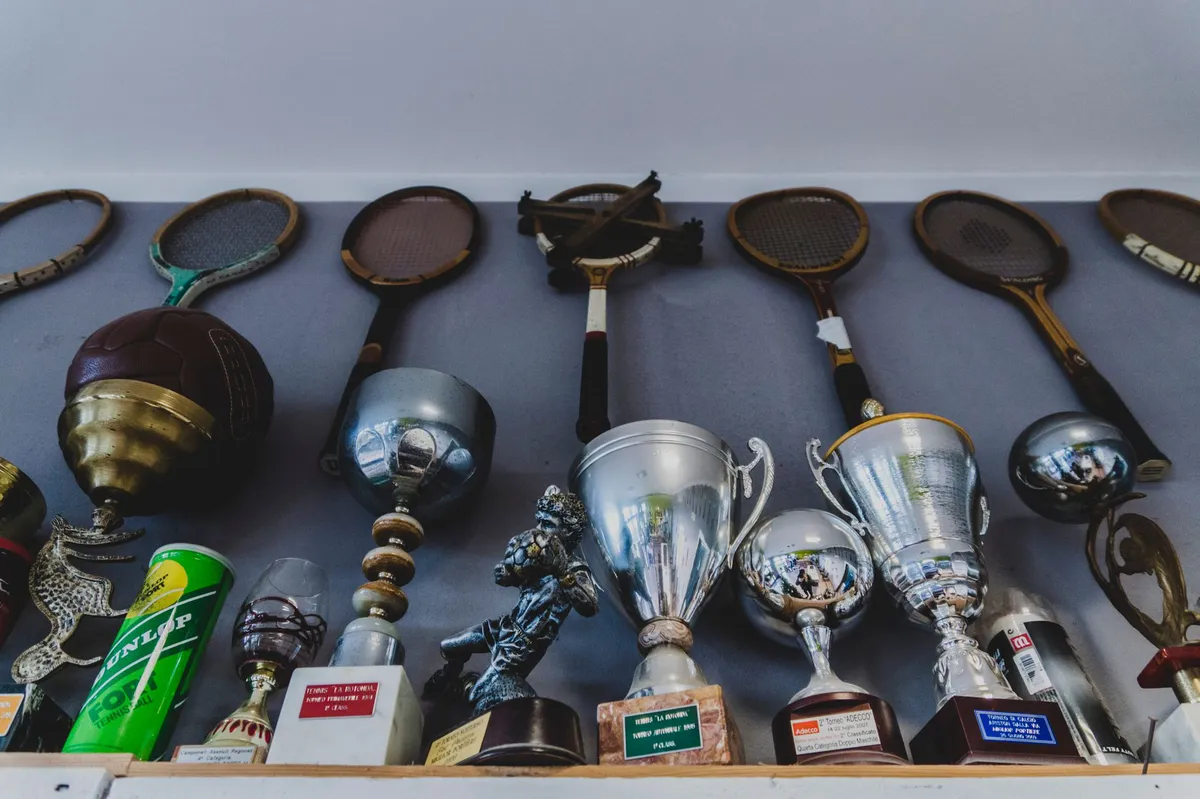
The Allegations: An Overview of the Complaint
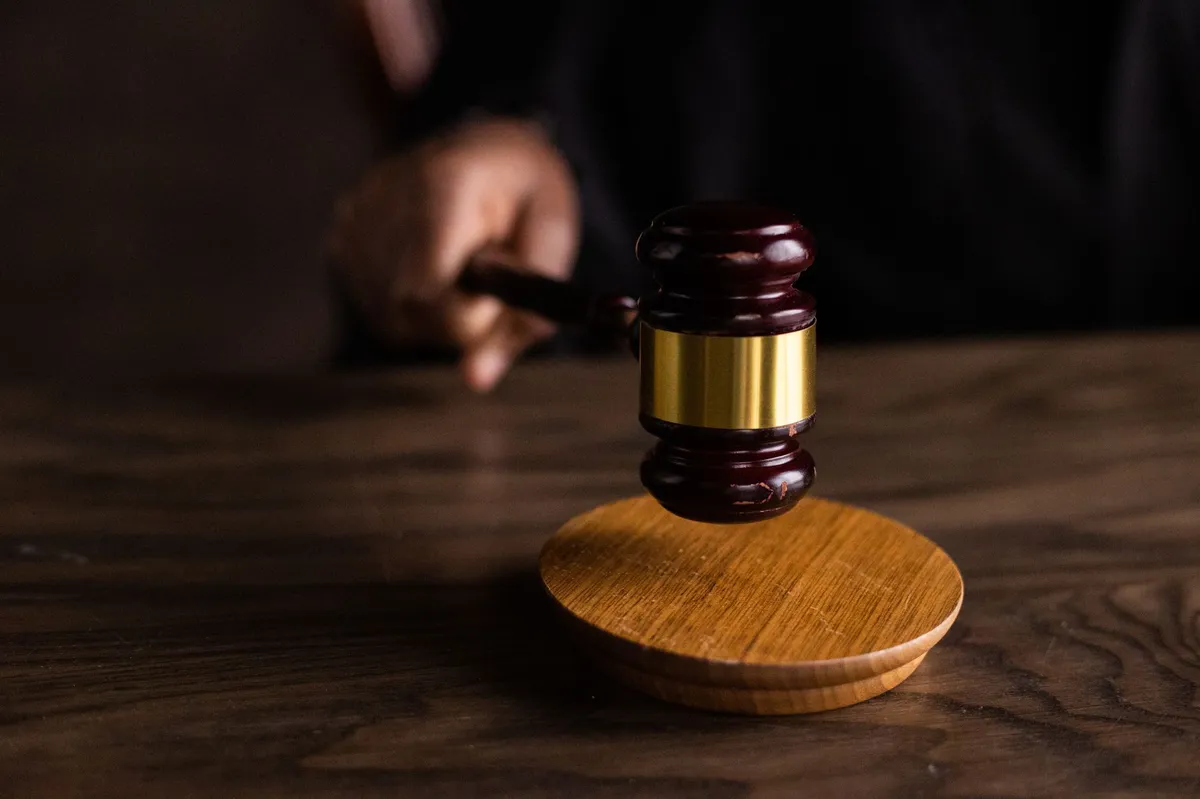
In the lawsuit filed in the U.S. District Court for the Central District of California, Skalsky claims that the defendants have engaged in activities that violate federal antitrust laws, specifically the Sherman Act and the Clayton Act, along with California's Cartwright Act. These statutes are designed to promote fair competition and prevent monopolistic practices that could harm consumers and other businesses.
Key Claims from the Lawsuit
- Monopolistic Behavior: Skalsky argues that TikTok, Fanatics, and the NFL colluded to portray Fanatics as the sole authorized seller of NFL memorabilia, effectively pushing independent sellers off the platform.
- Account Banning: He claims that TikTok began banning or demoting independent sellers who refused to sign exclusive agreements with Fanatics, drastically reducing their visibility and sales potential.
- Financial Impact: Skalsky states that his business, which was generating as much as $200,000 a month, suffered devastating losses due to these actions, leading to bankruptcy and the loss of his family's home.
According to Skalsky, the conspiracy was designed to eliminate competition in the livestream memorabilia market, thereby restricting consumer choice and consolidating power in the hands of Fanatics. His complaint outlines a deliberate strategy to amplify barriers for independent sellers, such as high licensing costs and exclusive agreements that limit market entry.
The Impact on Independent Sellers
The ramifications of this lawsuit extend well beyond Skalsky's personal experience. The allegations reflect a growing concern among independent sellers about the influence of large corporations in digital marketplaces. As platforms like TikTok become essential for commerce, the potential for monopolistic behavior poses a significant threat to smaller businesses.
The Rise of Independent Sellers
During the COVID-19 pandemic, many independent sellers turned to TikTok as a means to reach consumers effectively. Livestream shopping became a popular method for selling products, especially niche items like sports memorabilia. This shift allowed sellers to create communities and foster direct relationships with their customers. However, the rise of a single dominant player in the market could jeopardize this trend.
Potential Consequences for Consumers
If the allegations in Skalsky's lawsuit hold true, the implications for consumers could be severe. A lack of competition typically leads to higher prices, reduced product variety, and potential degradation in quality. As Fanatics consolidates its power and eliminates competing products from the market, consumers may find themselves facing fewer choices and higher costs for memorabilia.

Legal Context: Understanding Antitrust Laws
The legal framework surrounding antitrust laws in the United States is complex and rooted in a commitment to maintaining fair competition. The Sherman Act, enacted in 1890, is a cornerstone of U.S. antitrust legislation, prohibiting monopolistic practices and conspiracies that restrain trade. The Clayton Act of 1914 further strengthens these provisions by addressing specific practices, such as exclusive agreements and price discrimination.
Why This Case Matters
This lawsuit is particularly significant as it emphasizes the challenges faced by independent sellers in the digital economy. With the rise of e-commerce, traditional market dynamics are shifting, and the legal system must adapt to regulate new forms of competition. If Skalsky's claims are validated, it could set a precedent for how digital marketplaces operate and may lead to a re-evaluation of how antitrust laws are enforced in the context of social media platforms.
What’s Next for Skalsky and the Defendants?
As the case unfolds, several key outcomes could emerge. Skalsky is seeking not only financial damages but also a restoration of his TikTok account and its previous algorithmic standing, cancellation of any exclusive agreements, and injunctions against the alleged anti-competitive practices. The court's ruling could reshape the landscape for digital commerce and clarify the legal obligations of platforms like TikTok in ensuring fair access for all sellers.
Potential Outcomes
- Restoration of Access: A ruling in Skalsky's favor could mean reinstatement of his account and the ability for other independent sellers to operate without fear of suppression.
- Changes to Business Practices: The defendants may be compelled to alter their business practices to promote fair competition within the market.
- Financial Damages: If Skalsky prevails, he may receive compensation for his losses, which could set a precedent for similar claims in the future.
Key Takeaways
- This lawsuit highlights potential antitrust violations by TikTok, Fanatics, and the NFL.
- Independent sellers face significant challenges in the evolving digital marketplace.
- The outcome may redefine the legal landscape for e-commerce and antitrust enforcement.
Frequently Asked Questions
What are antitrust laws?
Antitrust laws are designed to promote fair competition and prevent monopolistic practices within markets. They prohibit actions that restrain trade, such as price-fixing, monopolies, and conspiracies that eliminate competition. The Sherman Act and the Clayton Act are two key pieces of legislation that govern these practices in the United States.
How could this lawsuit affect independent sellers?
If the court rules in favor of Skalsky, it could pave the way for greater protections for independent sellers operating in digital marketplaces. A favorable outcome may encourage more sellers to enter the market without fear of exclusion, leading to increased competition and a wider variety of products for consumers.
What should independent sellers do to protect themselves?
Independent sellers should remain informed about their rights under antitrust laws and monitor changes in policies on platforms like TikTok. It may also be beneficial to consult with legal professionals specializing in antitrust issues to understand potential risks and develop strategies to mitigate them.
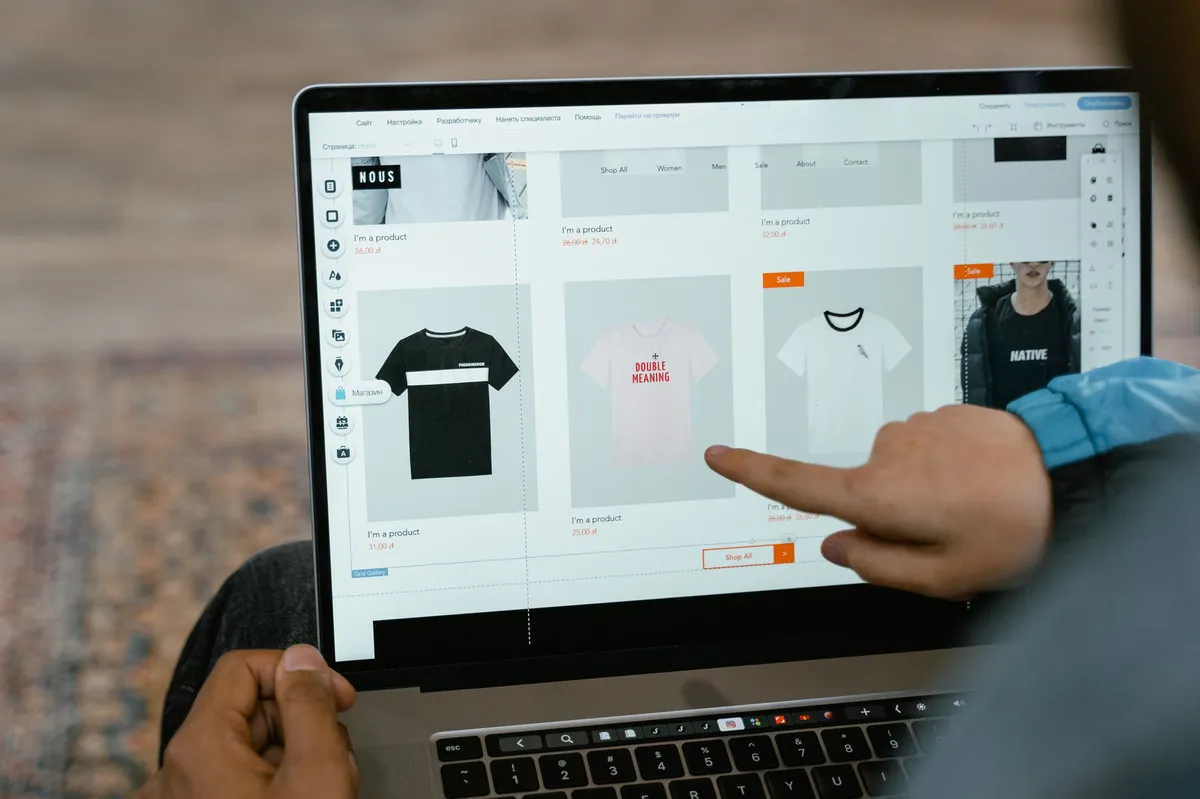
In conclusion, the case brought by David Allan Skalsky against TikTok, Fanatics, and the NFL serves as a crucial reminder of the ongoing challenges faced by independent sellers in the digital economy. As the case progresses, its implications may resonate throughout the e-commerce landscape, shaping the future of competition and consumer choice in meaningful ways.
This content is general information, not legal advice.
Comments
Revolutionizing Legal Operations: LEGALFLY's Collaborator Access Explained
LEGALFLY's new Collaborator Access empowers entire enterprises to engage in legal processes, streamlining operations and reducing bottlenecks for in-house legal teams.

Related articles

Popular in Business Law
- Supreme Court Justices' Financial Disclosures: A Closer Look
- Vishal Garg's Leadership Fallout: The Rise and Fall of Better.com
- Former Intelligence Official Faces Penalty for Post-Government Misconduct
- Blank Rome Faces Lawsuit After Major Data Breach Exposes Personal Information
- Congress Faces Reckoning Over Member-Staff Relationships