DOJ Implements Case Quotas for Prosecutors: A New Era in Justice Metrics
The Department of Justice has set case quotas for prosecutors to enhance performance metrics, sparking debate on the implications for justice. This article explores the motivations, potential impacts, and what this means for the legal system.
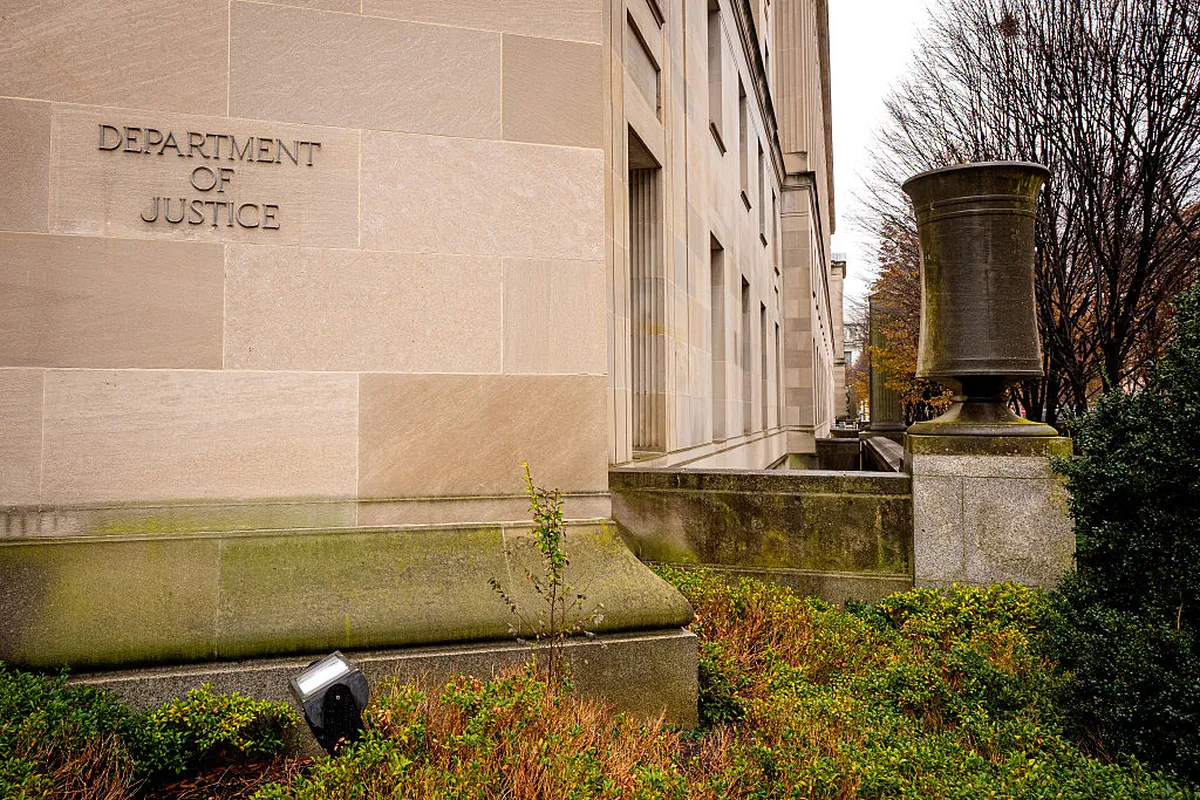
The Department of Justice (DOJ) has recently announced a controversial initiative requiring prosecutors to meet specific case quotas, a move aimed at increasing performance metrics across the board. This decision has ignited a significant discussion about the balance between efficiency and justice, as well as the potential consequences for legal outcomes in the U.S. court system. With the push for quantifiable results in the realm of criminal justice, it is vital to examine how these quotas may reshape the prosecutorial landscape and impact the rights of defendants.
Understanding the Quota System
Case quotas, in essence, are a set number of cases that prosecutors are expected to file within a given time frame. The DOJ’s new policy is intended to promote accountability and productivity among federal prosecutors, which the department argues are necessary to combat rising crime rates and resource constraints. By establishing these metrics, the DOJ hopes to ensure that its attorneys are effectively managing their workloads and contributing to the overall mission of public safety.

The Rationale Behind Quotas
Proponents of the quota system assert that it will enhance efficiency and lead to more consistent prosecution of cases. In a system often criticized for delays and backlogs, the argument is that having specific targets will motivate prosecutors to prioritize cases more effectively. Additionally, it could help the DOJ identify areas where resources are lacking and where additional support might be warranted.
The Impact on Prosecutorial Discretion
One of the most significant concerns regarding the implementation of case quotas is the potential erosion of prosecutorial discretion. Traditionally, prosecutors have had the ability to prioritize cases based on the merits, the severity of the crime, and the interests of justice. With the pressure to meet numerical goals, there is a fear that prosecutors may feel compelled to pursue cases that may not warrant prosecution or to settle for plea deals that are not in the best interest of justice. This could lead to an increase in wrongful convictions and a further strain on an already burdened legal system.

Examples of Potential Consequences
- Increased Plea Bargaining: Prosecutors may push for more plea deals to quickly clear cases, potentially overlooking the nuances of each situation.
- Focus on Minor Offenses: To meet quotas, there could be a trend toward emphasizing less severe crimes, diverting attention from serious offenses.
- Impact on Defendants: Defendants may find themselves at a disadvantage if cases are rushed, leading to less thorough investigations and preparation.
Public Response and Legal Community Concerns
The announcement has already drawn criticism from various sectors of the legal community, including defense attorneys, civil rights advocates, and even some prosecutors themselves. Many argue that the emphasis on numbers undermines the integrity of the legal process and could lead to an environment where justice is secondary to meeting quotas. Critics contend that this approach could disproportionately affect marginalized communities, as prosecutors may target certain demographics to fulfill their case requirements.

Calls for Reform
In light of these concerns, several legal experts and advocacy groups are calling for a reevaluation of the DOJ’s approach to performance metrics. They argue that rather than instituting quotas, the focus should be on providing prosecutors with the necessary resources and training to effectively carry out their duties. This could include investing in technology to streamline case management, offering additional support staff, and fostering a culture of collaboration rather than competition among prosecutors.
Future Outlook
The implications of the DOJ’s case quota system are still unfolding, but it is clear that this initiative will have significant ramifications for the U.S. justice system. As the legal community grapples with the potential effects of this policy, the priorities of justice and fairness must remain at the forefront of discussions. The balance between efficiency and the ethical obligations of prosecutors is delicate, and it is crucial to ensure that the quest for improved metrics does not come at the expense of justice.
Key Takeaways
- Case quotas have been introduced by the DOJ to improve efficiency among federal prosecutors.
- There are concerns about the erosion of prosecutorial discretion and potential negative impacts on justice.
- The legal community is divided on the merits of this policy, with calls for reevaluation and reform.
Frequently Asked Questions
What are the main goals of implementing case quotas in the DOJ?
The primary goals of implementing case quotas within the Department of Justice are to enhance productivity, improve accountability among federal prosecutors, and address the growing case backlog that many prosecutors face. By setting specific targets, the DOJ aims to ensure that its attorneys are managing their workloads efficiently and contributing effectively to public safety initiatives.
How might case quotas affect the outcomes of criminal cases?
Case quotas could potentially lead to rushed decisions in criminal cases, as prosecutors may feel pressured to meet their numerical targets. This could result in an increase in plea deals for minor offenses, a focus on less severe crimes, and a higher risk of wrongful convictions, as the thoroughness of investigations may be compromised in the interest of meeting quotas.
What are the concerns from legal experts regarding this initiative?
Legal experts express concerns that the emphasis on case quotas undermines the core principles of justice and fairness. Critics argue that it could lead to a prioritization of numbers over the merits of individual cases, adversely affecting marginalized communities and eroding public trust in the legal system. There are calls for a shift in focus from quotas to resource allocation and support for prosecutors to fulfill their roles effectively.
What are potential alternatives to case quotas for improving prosecutorial efficiency?
Alternatives to case quotas could include providing prosecutors with enhanced resources, such as technology for better case management and additional support staff. Training programs that foster collaboration and knowledge sharing among prosecutors can also help improve efficiency without compromising the integrity of the legal process. Emphasizing quality over quantity is crucial in ensuring that justice is served effectively.
Comments
Revolutionizing Legal Operations: LEGALFLY's Collaborator Access Explained
LEGALFLY's new Collaborator Access empowers entire enterprises to engage in legal processes, streamlining operations and reducing bottlenecks for in-house legal teams.

Related articles




Popular in Business Law
- Supreme Court Justices' Financial Disclosures: A Closer Look
- Vishal Garg's Leadership Fallout: The Rise and Fall of Better.com
- Former Intelligence Official Faces Penalty for Post-Government Misconduct
- Blank Rome Faces Lawsuit After Major Data Breach Exposes Personal Information
- Congress Faces Reckoning Over Member-Staff Relationships