Russia and China Block US Sanctions Monitoring on Iran: Implications and Analysis
In a significant geopolitical move, Russia and China vetoed a US proposal to extend UN sanctions monitoring on Iran. This article explores the implications of this decision and the current state of Iran's nuclear program.

The recent veto by Russia and China of a United Nations resolution aimed at extending the monitoring of sanctions against Iran marks a pivotal moment in international relations, particularly concerning nuclear non-proliferation efforts. This decision not only reflects the growing tensions between major world powers but also raises critical questions about the future of Iran's nuclear program and the effectiveness of global governance through institutions like the U.N.
On Thursday, the U.N. Security Council convened to discuss a proposal put forth by the United States, which sought to extend the mandate of a panel of U.N. experts responsible for monitoring the sanctions that were reimposed on Iran in September 2025. These sanctions, originally established to curb Iran's nuclear ambitions, freeze the nation’s assets abroad, halt arms transactions, and penalize any development of its ballistic missile program. However, with the recent veto, these oversight mechanisms are now in jeopardy, potentially allowing Iran greater leeway in its nuclear activities.
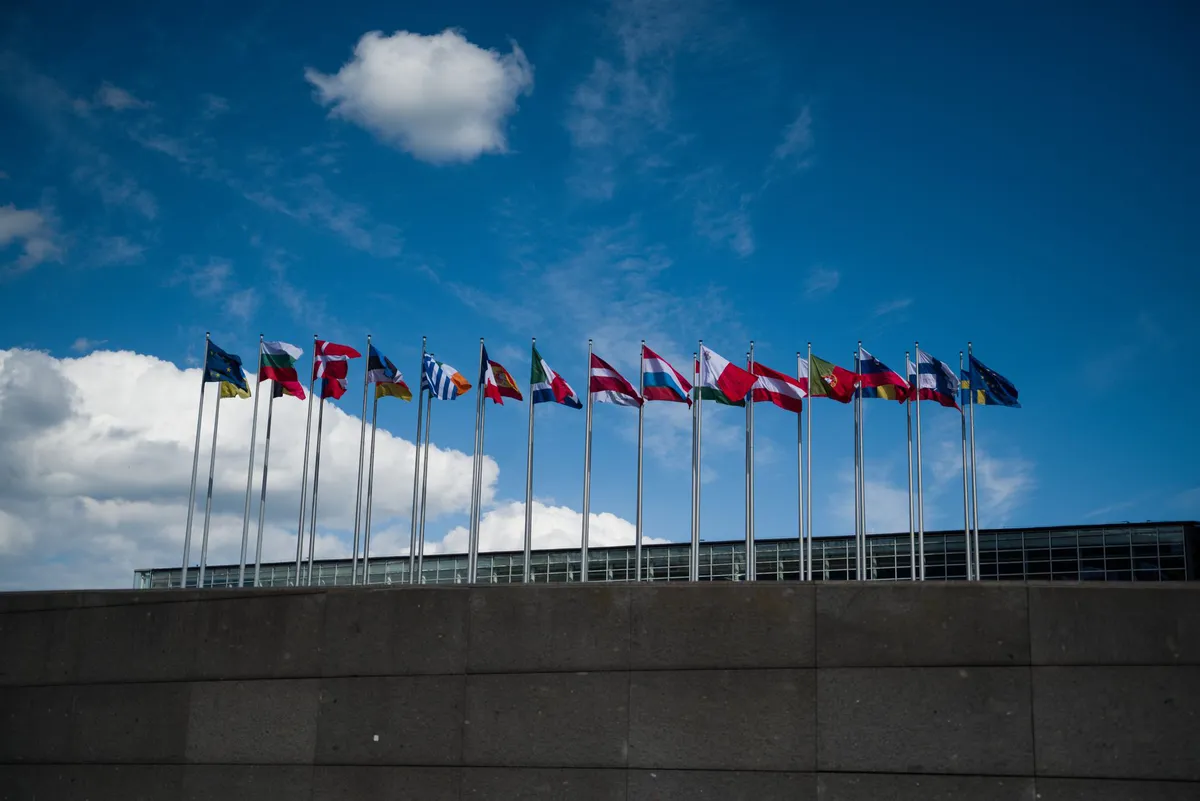
Background: The Snapback Mechanism and Its Consequences
The sanctions against Iran are the result of a complex interplay of international agreements and geopolitical maneuvering. In 2015, the Joint Comprehensive Plan of Action (JCPOA) was established between Iran and several key world powers, including France, Germany, and the United Kingdom. This agreement aimed to limit Iran's nuclear program in exchange for the lifting of economic sanctions. However, following the U.S. withdrawal from the agreement in 2018, tensions escalated, leading to the implementation of a “snapback” mechanism in 2025 that reimposed the sanctions.
This snapback process is a contentious issue. The U.S. claims it is a legitimate means to restore sanctions due to Iran's failure to comply with the JCPOA's stipulations, while Russia and China argue that the process lacks legal grounding. Russian U.N. Ambassador Vassily Nebenzia reiterated this stance during the recent veto, calling the sanctions illegal and the U.S. resolution “deeply flawed.” This disagreement underscores a broader divide in international relations, reflecting differing views on sovereignty, interventionism, and the role of the U.N. in enforcing global norms.

The Current State of Iran's Nuclear Program
As of now, Iran maintains a stockpile of approximately 440.9 kilograms (972 pounds) of uranium enriched to 60% purity, which is dangerously close to the weapons-grade level of 90%. This situation poses significant risks not only to regional stability but also to global security. The inability of U.N. nuclear inspectors to verify Iran's activities since the strikes on Iranian nuclear sites in June 2025 raises alarms about the transparency and accountability of Iran's nuclear program.
U.S. Deputy Ambassador to the U.N., Jennifer Locetta, expressed concerns that the vetoes would obstruct necessary oversight on Iran's compliance with sanctions, stating that they would have illuminated prohibited cooperation between Iran and its allies. The lack of an independent panel of experts means that there will be a substantial monitoring gap, allowing Iran to potentially advance its nuclear capabilities without scrutiny.
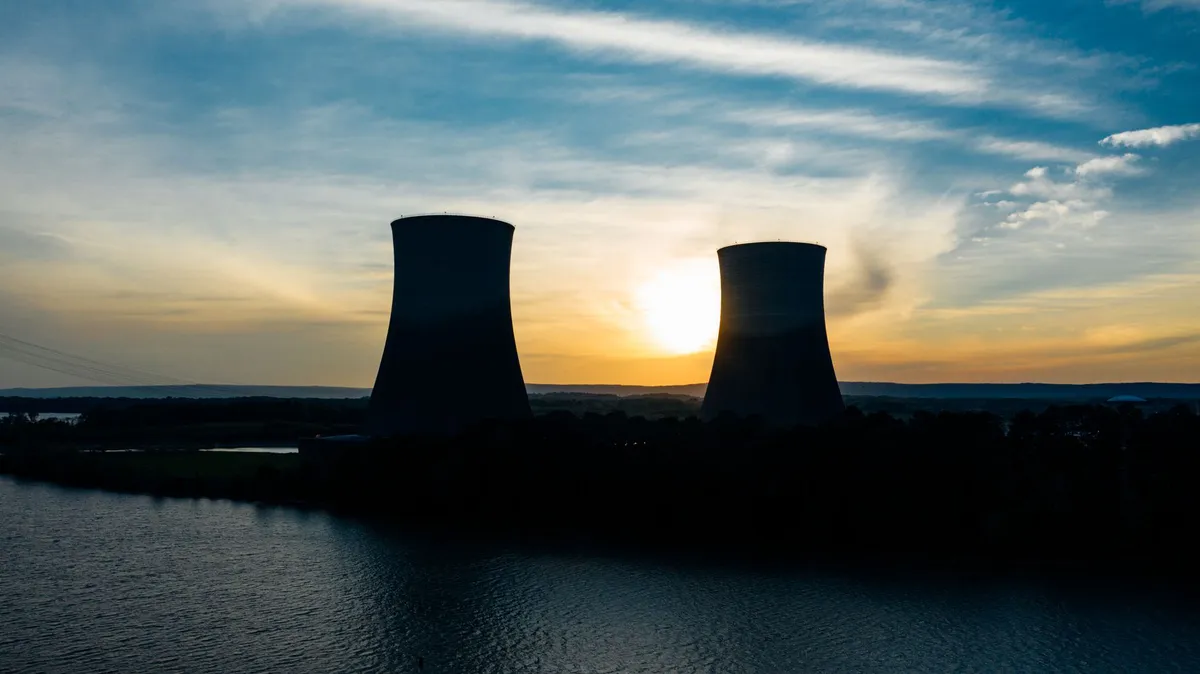
The Geopolitical Implications of the Veto
The implications of the veto extend far beyond sanctions monitoring. The decision by Russia and China reflects their growing alliance and willingness to challenge U.S. influence in international affairs. This shift could signify a new era in global governance where traditional alliances and power dynamics are continuously tested.
The U.S. is currently engaged in a campaign to isolate Iran economically, as evidenced by recent actions targeting cryptocurrency networks that allegedly provide sanctioned Iranian entities access to international financing. The Treasury and State Departments specifically targeted companies like BitBank and Pishtaz Simorgh Electronic Trade Co., highlighting the U.S. strategy of leveraging economic sanctions as a tool for foreign policy.
- Geopolitical Alliances: The veto illustrates the strengthening ties between Russia and China against U.S. interests.
- Nuclear Proliferation Risks: Iran's enriched uranium stockpile poses significant threats to global security.
- Economic Sanctions Impact: The U.S. continues to target Iranian economic networks to enforce isolation.
- Monitoring Gaps: The absence of U.N. experts creates a dangerous void in oversight of Iran's nuclear activities.
Future Actions and Recommendations
The defeat of the U.S. resolution poses critical questions regarding the future of sanctions enforcement and the international community's approach to Iran. France’s U.N. Ambassador, Jerome Bonnafont, suggested exploring ways to ensure that sanctions are enforced, potentially through the establishment of a new monitoring team involving France, Germany, the U.K., and the U.S. This approach could provide a framework for accountability, albeit outside the U.N. structure.
For concerned citizens and policymakers, it is essential to remain informed about the developments surrounding Iran's nuclear program and the international response to its activities. Engaging in discussions about the implications of such geopolitical maneuvers can help foster a more informed electorate and encourage accountability in governmental actions related to foreign policy.
Key Takeaways
- The veto by Russia and China highlights growing geopolitical tensions and challenges to U.S. influence.
- Iran's nuclear stockpile raises serious concerns about regional and global security.
- The absence of a monitoring panel creates significant oversight gaps, potentially allowing Iran to advance its nuclear capabilities unchecked.
- The U.S. continues to employ economic sanctions as a strategy to isolate Iran and curb its nuclear ambitions.
Frequently Asked Questions
What does the veto by Russia and China mean for U.N. sanctions on Iran?
The veto signifies a substantial setback for U.S. efforts to extend monitoring of sanctions against Iran. It hampers the ability of the international community to ensure compliance with sanctions and raises concerns about Iran's nuclear activities. Without U.N. oversight, there is a risk that Iran could proceed with its nuclear ambitions without accountability.
How does the snapback mechanism work?
The “snapback” mechanism is a provision in the 2015 nuclear deal that allows for the reimposition of sanctions if a party believes that Iran is not complying with its obligations. In this case, the U.S. triggered the mechanism in 2025, leading to the reinstatement of sanctions that had been lifted under the JCPOA. This action is controversial and is viewed differently by various countries, impacting international relations significantly.
What are the implications of Iran's enriched uranium stockpile?
Iran's stockpile of uranium enriched to 60% purity poses a significant threat, as it is just a technical step away from weapons-grade material. This situation raises alarms for global security and stability, particularly in the Middle East, where tensions are already high. The lack of monitoring exacerbates these concerns, making it difficult for the international community to assess and respond to potential threats.
What steps can the international community take to address these developments?
The international community can consider various approaches, such as establishing new monitoring mechanisms outside the U.N. framework, increasing diplomatic pressure on Iran, and enhancing economic sanctions. Engaging in multilateral discussions can also help bridge gaps in oversight and ensure that Iran is held accountable for its nuclear activities.
This content is general information and not legal advice.
Comments
Shumaker Advisors Strengthens Government Affairs in Northwest Florida
Shumaker Advisors has appointed Sara R. Lefevers as Vice President to enhance its government affairs operations in Pensacola, Florida. With extensive experience in health care and community advocacy, Lefevers is set to strengthen the firm's impact across Northwest Florida.

Related articles







Popular in Business Law
- Supreme Court Justices' Financial Disclosures: A Closer Look
- Vishal Garg's Leadership Fallout: The Rise and Fall of Better.com
- Former Intelligence Official Faces Penalty for Post-Government Misconduct
- Blank Rome Faces Lawsuit After Major Data Breach Exposes Personal Information
- Congress Faces Reckoning Over Member-Staff Relationships