Washington Supreme Court Strikes Down Controversial Gas Initiative
In a landmark ruling, the Washington Supreme Court invalidated a voter-approved measure aimed at protecting natural gas use. The decision underscores the complexities of initiative law and its implications for climate policy.

In a significant decision that reverberates across the landscape of Washington’s energy policy, the Washington Supreme Court has declared a voter-approved measure aimed at preserving natural gas use unconstitutional. This ruling, delivered in a 6-3 en banc decision, places a spotlight on the legal intricacies surrounding voter initiatives and the ongoing battle over climate policy in the state.
The measure, known as Initiative 2066, was designed to shield natural gas from state efforts to phase it out as part of a broader climate initiative. Approved by voters with a narrow 51.7% majority, the initiative has now been voided, raising questions about the future of energy policy in Washington and the role of the public in shaping legislative outcomes.

Understanding the Court's Ruling
Chief Justice Debra Stephens, writing for the majority, articulated that Initiative 2066 violated Washington’s single-subject requirement, a constitutional mandate that ensures voters can clearly understand the implications of the measures they are voting on. The court identified four distinct subjects encompassed in the initiative:
- Natural gas access and supply
- Restrictions on air quality authority
- Changes to building codes
- Amendments to the Washington Decarbonization Act for Large Combination Utilities
According to the majority opinion, these subjects did not share a rational unity, which is essential for any initiative to be upheld. Justice Stephens emphasized that the confusion created by bundling these disparate issues could mislead voters, making it impossible to determine which parts of the initiative would have garnered majority support if voted on separately.
Legal Precedents and Implications
This ruling echoes previous decisions affirming the importance of clarity in voter initiatives. The court's insistence on a clear, singular focus in initiatives is designed to protect the democratic process by ensuring that voters fully grasp the implications of their choices. This principle is particularly vital in contentious areas like energy policy, where diverse interests often clash.
The legal precedent set by this ruling not only impacts Initiative 2066 but also serves as a cautionary tale for future initiatives. Any attempt to bundle multiple policy changes into a single measure may face similar scrutiny, which could hinder the ability of special interest groups to push through complex legislation under the guise of popular support.

The Background of Initiative 2066
Initiative 2066 was introduced amid a growing debate over Washington's energy future, particularly as state officials seek to transition away from fossil fuels to meet climate goals. Proponents of the initiative argued that it would protect consumer access to natural gas during this transition, emphasizing the need for energy choice.
However, environmental advocates and clean energy organizations, including the nonprofit Climate Solutions, contended that the initiative was a deceptive tactic spearheaded by the fossil fuel industry to roll back progress on climate policy. They argued that it would undermine crucial efforts to reduce greenhouse gas emissions and improve air quality.
Legal Challenges and Outcomes
Before reaching the state's highest court, Initiative 2066 faced significant legal challenges. A King County Superior Court found it unconstitutional last year, agreeing that it violated the single-subject rule. The Supreme Court's recent ruling affirms this decision, restoring clarity to Washington's energy regulatory landscape.
“Initiative 2066 was a classic example of logrolling,” said Dylan Plummer, a campaign advisor at the Sierra Club, reflecting the broader sentiment among environmental advocates. “This ruling is a clear refutation of tactics that aim to confuse voters for political gain.”
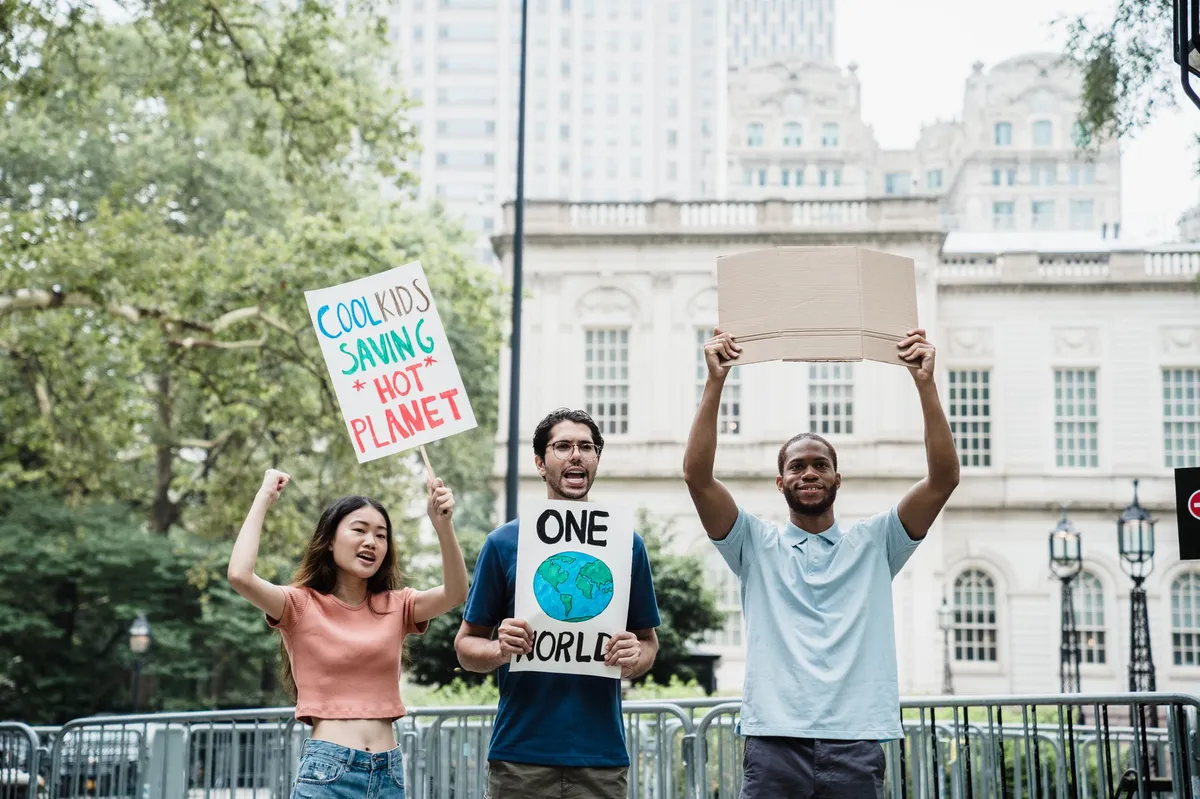
Reactions from Stakeholders
The court's ruling has elicited a range of reactions from stakeholders on both sides of the debate. Supporters of the initiative, such as the Building Industry Association of Washington (BIAW), expressed disappointment, arguing that the ruling disenfranchises nearly 2 million voters who supported the initiative. BIAW's executive vice president, Greg Lane, asserted that the decision undermines public choice regarding energy sources, stating, “This is government telling the people, ‘Your opinion doesn’t matter.’”
Conversely, environmental advocates celebrated the ruling as a victory for climate integrity. Climate Solutions hailed the decision as a restoration of certainty for energy efficiency and building decarbonization efforts that had been stalled since the initiative was passed.
Future Implications for Energy Policy
The invalidation of Initiative 2066 raises critical questions about the future trajectory of energy policy in Washington. With the state committed to ambitious climate goals, the ruling underscores the need for clear and transparent policymaking that engages voters on the complexities of energy transition.
As Washington navigates its path towards sustainability, this ruling may influence how future initiatives are crafted. Stakeholders may need to consider the legal implications of bundling multiple policy changes and ensure that the issues presented to voters are distinct and easily understood.
Key Takeaways
- The Washington Supreme Court ruled Initiative 2066 unconstitutional due to its violation of the single-subject rule.
- The initiative aimed to protect natural gas use but was viewed as a tactic by the fossil fuel industry to undermine climate policies.
- This ruling restores certainty to energy efficiency efforts in Washington and may inform future initiatives.
- Stakeholders on both sides of the debate have expressed strong reactions to the court's decision.
- The ruling emphasizes the importance of clarity in voter initiatives to ensure informed decision-making.
Frequently Asked Questions
What was Initiative 2066, and why was it controversial?
Initiative 2066 was a voter-approved measure that aimed to protect the use of natural gas in Washington as the state sought to transition to cleaner energy sources. It was controversial because critics argued that it bundled multiple distinct policy changes, which could mislead voters, while advocates claimed it was necessary for consumer choice in energy sources.
What does the ruling mean for future voter initiatives in Washington?
The ruling reinforces the requirement that voter initiatives must adhere to the single-subject rule, which means they should not combine unrelated issues. This decision could discourage future attempts to bundle complex legislation into single initiatives, thereby promoting clearer and more focused proposals.
How might this ruling affect climate policy in Washington?
The court's decision is seen as a reaffirmation of the state's commitment to its climate goals. By invalidating the initiative, the ruling restores momentum for energy efficiency and decarbonization efforts that are essential for meeting Washington's environmental targets.
What are the next steps for proponents of energy choice in Washington?
While the legal battle over Initiative 2066 has concluded, proponents of energy choice, such as the BIAW, indicate that they will continue to advocate for policies that allow consumers to choose their energy sources. This may involve future initiatives or legislative efforts to create more options for energy consumers in Washington.
Disclaimer: The content is general information, not legal advice.
Comments
Shumaker Advisors Strengthens Government Affairs in Northwest Florida
Shumaker Advisors has appointed Sara R. Lefevers as Vice President to enhance its government affairs operations in Pensacola, Florida. With extensive experience in health care and community advocacy, Lefevers is set to strengthen the firm's impact across Northwest Florida.

Related articles





Popular in Business Law
- Supreme Court Justices' Financial Disclosures: A Closer Look
- Vishal Garg's Leadership Fallout: The Rise and Fall of Better.com
- Former Intelligence Official Faces Penalty for Post-Government Misconduct
- Blank Rome Faces Lawsuit After Major Data Breach Exposes Personal Information
- Congress Faces Reckoning Over Member-Staff Relationships