Fraudulent Petition Scheme Targets Vulnerable Populations on Skid Row
A Southern California man has been charged with identity fraud for allegedly paying homeless individuals on Skid Row to sign ballot petitions with stolen identities. This case raises concerns about voter integrity and the exploitation of vulnerable populations.
In a striking case that highlights the intersection of exploitation and electoral integrity, a Southern California man has been charged with orchestrating a fraudulent scheme on Los Angeles's Skid Row. James Brass, a 47-year-old from Victorville, faces serious accusations of paying individuals from this vulnerable homeless community to sign ballot measure petitions using stolen identities. This case not only raises questions about the legitimacy of voter signatures but also underscores the ethical implications of targeting marginalized populations.
Brass, who is known to some as "Lord," was arrested and charged by a federal grand jury with one count each of identity fraud and conspiracy to commit identity fraud. After pleading not guilty in a Riverside court, he was released on a $10,000 bond. Alongside him, two accomplices—49-year-old Courtney Price from Florida and 33-year-old Jateisha Herron from California—have also been charged for their roles in the scheme.
The Allegations: A Closer Look at the Scheme
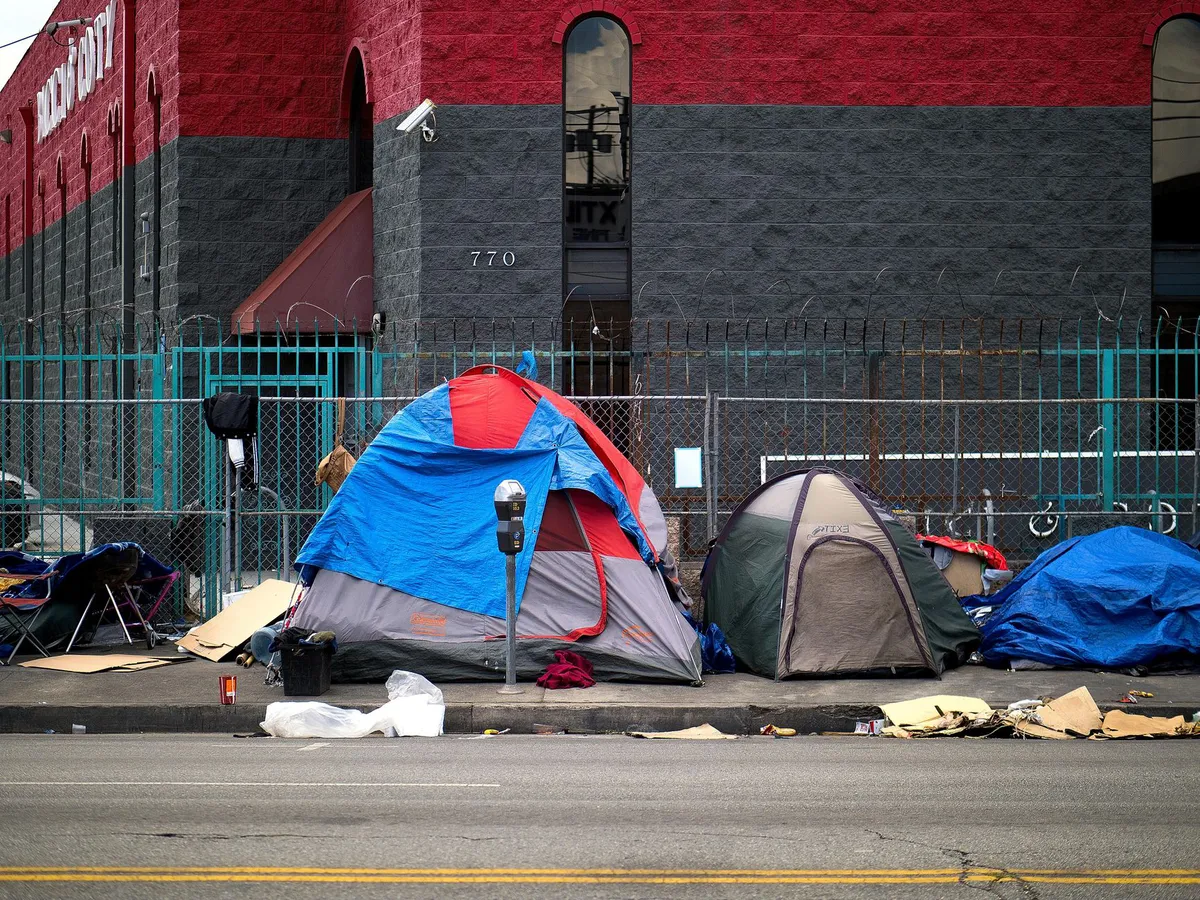
The allegations against Brass are alarming. According to First Assistant U.S. Attorney Bill Essayli, the defendants exploited the identities of registered voters to manufacture signatures on ballot petitions that could influence California law. This dishonest practice not only undermines the electoral process but also erodes public confidence in the integrity of elections. The operation was particularly insidious because it targeted the homeless population of Skid Row, one of the most vulnerable communities in the country.
To qualify an initiative for the ballot in California, petitioners are required to gather more than 500,000 signatures from registered voters within a tight 180-day timeframe. The process is highly regulated; signatures that do not perfectly match those of registered voters are discarded. Typically, signature gathering companies pay between $5 to $10 per valid signature, incentivizing many to engage in unethical practices to maximize their earnings.
How the Fraud Was Executed
The indictment outlines how Brass and his accomplices used publicly available lists of registered voters to create a target list. They set up a table on Skid Row, where they offered monetary compensation to individuals in exchange for copying registered voters’ personal information onto ballot petitions and signing those petitions fraudulently. Federal prosecutors allege that Brass received approximately $41,600 for orchestrating this operation.
Text messages between Brass and Herron reveal the calculated nature of their conspiracy. Brass instructed Herron to mislead petitioner coordinators by claiming that they collected signatures in Torrance or Inglewood, emphasizing, "NEVER EVER SAY DOWNTOWN LA." This strategic deception indicates a clear awareness of the illegal nature of their actions and a desire to evade detection.
The Legal Context: Implications of Voter Fraud
The case against Brass and his co-defendants unfolds within a broader legal framework designed to protect the integrity of the voting process. Federal prosecutors are pursuing charges that could result in a maximum sentence of five years in federal prison for each count, should they be convicted. This serves as a potent reminder of the legal consequences associated with voter fraud, underscoring the importance of maintaining ethical standards in electoral processes.
In May of this year, a similar indictment was filed against Brenda Lee Brown Armstrong, who was charged with paying individuals, including homeless people, for their signatures. Armstrong's case involved offering $2 or $3 for signatures and more for individuals to complete voter registration forms, highlighting a disturbing pattern of exploitation targeting vulnerable populations in the electoral process.

Broader Consequences: The Impact on Voter Trust
The implications of such fraudulent activities are far-reaching. When individuals engage in identity theft and manipulation of the electoral process, it not only affects the immediate outcomes of ballot measures but also threatens the foundational principles of democracy. Voter trust is paramount; when citizens believe that their votes may be undermined by fraudulent practices, it can lead to apathy and disengagement from the democratic process.
Moreover, these cases expose the systemic vulnerabilities within the electoral system, particularly concerning how easily individuals can exploit marginalized communities. The targeting of vulnerable populations—such as those living on Skid Row—raises moral questions about the responsibility of society to protect its most at-risk citizens.
Key Takeaways
- Charges Filed: James Brass and two accomplices face federal charges for identity fraud related to ballot petitions.
- Targeted Population: The scheme exploited homeless individuals on Skid Row, raising ethical concerns.
- Legal Consequences: If convicted, the defendants could face up to five years in federal prison for each count of fraud.
- Impact on Democracy: Voter fraud undermines public trust in the electoral process.
- Broader Context: This incident reflects ongoing issues related to the exploitation of vulnerable populations in electoral schemes.
Frequently Asked Questions
What are the legal definitions of identity fraud and conspiracy?
Identity fraud generally refers to the act of using someone else's personal information without their consent to commit fraud, typically for financial gain or to deceive others. Conspiracy, on the other hand, involves an agreement between two or more persons to commit an unlawful act. In this case, the defendants allegedly conspired to commit identity fraud by targeting vulnerable individuals to fabricate signatures on ballot petitions.
How does the signature collection process work in California?
In California, to qualify an initiative for the ballot, petitioners must collect over 500,000 signatures from registered voters within a specific 180-day timeframe. The signatures must match the names of registered voters precisely; otherwise, they are invalidated. This stringent process is designed to ensure that only genuine voter support is reflected in the initiatives that appear on the ballot.
What can be done to prevent voter fraud in the future?
Preventing voter fraud requires a multifaceted approach, including stricter enforcement of existing laws, increased transparency in the signature collection process, and public education about the importance of protecting personal information. Additionally, community outreach and support for vulnerable populations can help mitigate the exploitation of at-risk individuals and empower them to participate responsibly in the electoral process.
What are the potential consequences for the defendants if convicted?
If found guilty, each defendant faces up to five years in federal prison for each count of identity fraud and conspiracy. The legal repercussions extend beyond incarceration; a conviction can also result in significant fines and a permanent criminal record, which can hinder future employment opportunities and civic engagement.
This article provides general information and is not legal advice.
Comments
Ongoing Dispute Over Morisky Widget IP Leads to New Legal Battle
A new lawsuit has intensified the long-standing dispute between a UCLA researcher and his former business partner over the Morisky Widget, a key tool in medication adherence assessment. This article explores the complexities of the case, legal implications, and what it means for the healthcare community.

Related articles



Popular in Business Law
- Supreme Court Justices' Financial Disclosures: A Closer Look
- Vishal Garg's Leadership Fallout: The Rise and Fall of Better.com
- Former Intelligence Official Faces Penalty for Post-Government Misconduct
- Blank Rome Faces Lawsuit After Major Data Breach Exposes Personal Information
- Congress Faces Reckoning Over Member-Staff Relationships