Quebec's Language Policy Sparks Legal Battle Over Voter Information
A lawsuit in Quebec challenges the electoral body's decision to provide voter information exclusively in French, raising significant concerns about democratic participation for English speakers.
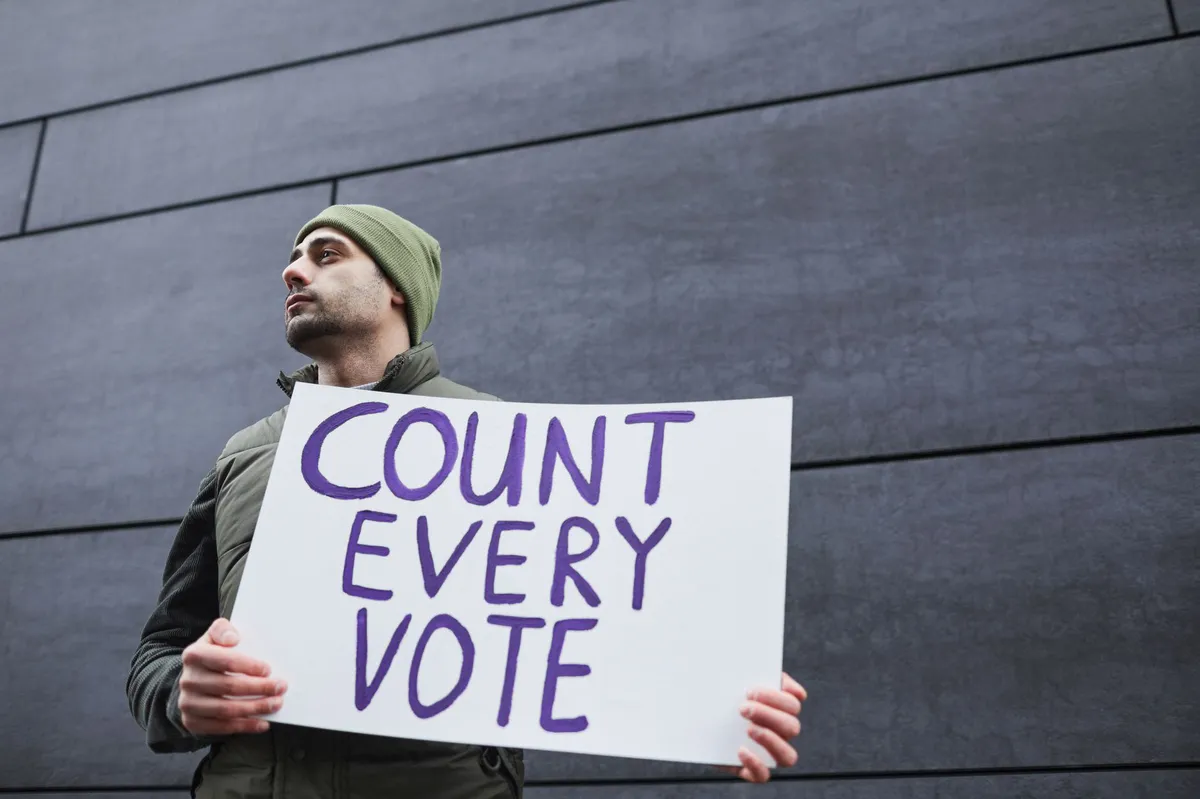
The tension between linguistic identity and democratic participation is at the forefront of a legal dispute in Quebec, where a former president of an English-speaking rights group has filed a lawsuit against the province's electoral body. The crux of the matter centers on Élections Québec’s controversial decision to distribute voter information exclusively in French ahead of the upcoming elections, a move that has sparked outrage within the English-speaking community. As the case awaits a ruling from Quebec Superior Court, the implications of this decision resonate far beyond the ballot box, touching on fundamental issues of accessibility and representation in a bilingual society.
Geoffrey Chambers, representing the group Talking. Advocating. Living in Québec. (TALQ), argues that the decision to forgo English-language voter information constitutes a barrier to political participation for English-speaking voters. With the election just weeks away, the stakes are high, not only for the immediate voting process but for the broader principles of democratic engagement.
The Legal Context: Language and Rights in Canada
The legal framework underpinning this case is rooted in the Canadian Charter of Rights and Freedoms, which guarantees the right to equality and freedom of expression. Chambers' lawsuit contends that the agency’s decision violates these rights by disenfranchising a significant portion of the electorate. The situation is further complicated by the 2022 legislation that mandated the exclusive use of French for electoral communications, a move that has been met with fierce criticism from English-speaking communities.
Understanding the Stakes
The implications of this case are profound, as they highlight the ongoing struggle for recognition and accommodation of linguistic minorities in a predominantly Francophone province. Advocates argue that the ability to receive information in one's native language is essential for informed participation in the democratic process. The stakes are particularly high for vulnerable populations, such as seniors and those living in remote areas, who may lack the technological access necessary to navigate digital solutions.

Arguments Presented in Court
During a recent court hearing, Chambers urged Judge Sylvain Lussier to compel Élections Québec to reverse its decision and distribute voter information in both English and French. He argued that the agency’s failure to provide bilingual materials not only hampers democratic participation but also contradicts the spirit of inclusivity that should underpin electoral processes. The attorney representing Élections Québec, Henrick Lavoie, acknowledged the potential for irreparable harm but contended that logistical challenges and timing constraints make it impractical to implement such changes at this late stage.
Financial Implications of Bilingual Voting Materials
Financial concerns also loom large in this case. Élections Québec estimates that translating and distributing the necessary documents in English could cost an additional $4.3 million on top of the already hefty budget of $7.5 million allocated for the production and distribution of electoral materials. This raises important questions about the allocation of resources and the prioritization of language rights within the province's electoral framework.

Public Response and Community Impact
The public reaction to Élections Québec’s policy has been overwhelmingly negative among English-speaking residents, many of whom feel marginalized by a system that seems to prioritize one language over another. Eva Ludvig, president of TALQ, articulated the frustration felt within the community, emphasizing that this issue transcends language politics. “This is fundamentally an issue of democratic participation,” she asserted, advocating for a more inclusive electoral system that maximizes participation rather than erecting barriers.
Technological Solutions: A Double-Edged Sword
Élections Québec has proposed a technological workaround to the issue by including QR codes on voter information cards that link to English resources on their website. However, critics argue that this solution is inadequate for many voters, particularly seniors and those in rural areas who may lack access to smartphones or the internet. The reliance on technology as a means of communication can inadvertently disenfranchise those who are already at a disadvantage.
Time is of the Essence: A Rushed Decision Ahead of Elections
As the clock ticks down to the election date of October 5, the urgency of the court's decision cannot be overstated. Judge Lussier is under pressure to deliver a ruling by October 2, the last business day before voters head to the polls. The timing is critical; if the judge rules in favor of the English-speaking plaintiffs too soon, there could be complications regarding the implementation of a 10-day injunction that might prevent Élections Québec from mailing out English documents altogether.
The potential ruling not only affects the upcoming election but also sets a precedent for how language rights are handled in future electoral processes across Canada. The outcome could influence public policy decisions and the balance of power between linguistic communities in Quebec.

Key Takeaways
- Élections Québec's decision to provide voter information solely in French has ignited a legal battle over language rights.
- The outcome of the case could set a significant precedent for future electoral policies in Quebec.
- Financial considerations complicate the issue, with additional costs associated with providing bilingual materials.
- The reliance on technology for voter information raises concerns about accessibility for vulnerable populations.
- Time constraints are critical, as a ruling must be delivered before the upcoming election.
Frequently Asked Questions
What are the main arguments in the lawsuit regarding voter information in Quebec?
The primary argument centers on the claim that providing voter information exclusively in French disenfranchises English-speaking citizens, violating their rights under the Canadian Charter of Rights and Freedoms. Advocates for bilingual information assert that access to electoral materials in one’s native language is essential for meaningful participation in the democratic process.
How does the proposed technological solution address the language issue?
Élections Québec has proposed using QR codes on voter information cards that link to English resources online. However, this solution has been criticized for being insufficient, as not all voters may have access to smartphones or the internet, especially among seniors and those in rural communities. This raises important questions about the effectiveness of digital solutions in ensuring equitable access to voter information.
What are the financial implications of providing bilingual voter information?
The estimated cost of translating and distributing voter information in English could add an additional $4.3 million to the existing $7.5 million budget for electoral materials. This financial burden complicates the conversation about language rights and raises concerns about the prioritization of resources within the electoral framework.
Why is the timing of the court's decision so critical?
The timing is critical because the court must deliver a ruling before October 2, just days before the election on October 5. Delays in the decision could impact the ability of Élections Québec to mail out necessary voter information in English, potentially disenfranchising English-speaking voters and affecting the overall electoral process.
This content is general information and not legal advice.
Comments
Ongoing Dispute Over Morisky Widget IP Leads to New Legal Battle
A new lawsuit has intensified the long-standing dispute between a UCLA researcher and his former business partner over the Morisky Widget, a key tool in medication adherence assessment. This article explores the complexities of the case, legal implications, and what it means for the healthcare community.

Related articles




Popular in Business Law
- Supreme Court Justices' Financial Disclosures: A Closer Look
- Vishal Garg's Leadership Fallout: The Rise and Fall of Better.com
- Former Intelligence Official Faces Penalty for Post-Government Misconduct
- Blank Rome Faces Lawsuit After Major Data Breach Exposes Personal Information
- Congress Faces Reckoning Over Member-Staff Relationships