Understanding Informed Consent in Elective Eye Surgery
Informed consent is vital for patients undergoing elective eye surgeries. This article explores the complexities of informed consent, emphasizing the importance of clear communication, patient understanding, and thorough documentation to ensure patient safety and autonomy.
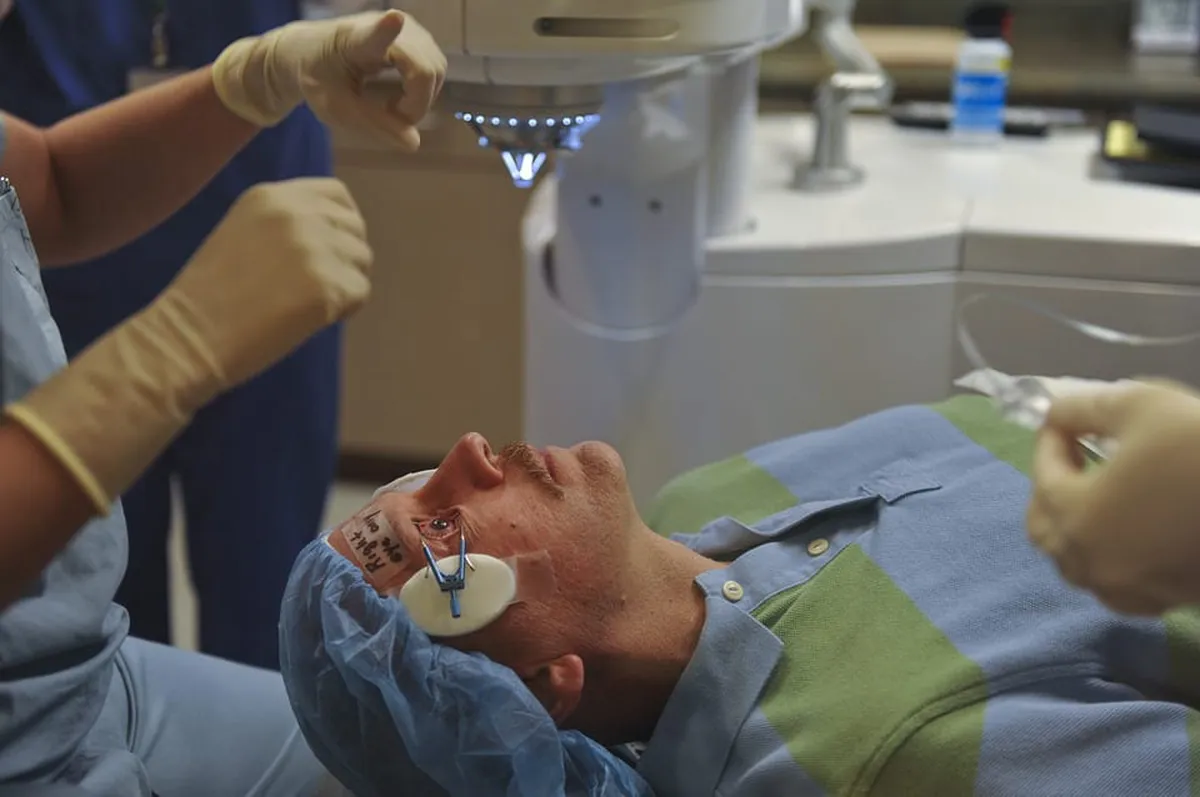
Elective eye surgery is a life-changing decision for many patients, offering the promise of clearer vision and reduced dependence on glasses or contact lenses. However, before embarking on such procedures, understanding the concept of informed consent becomes crucial. Informed consent serves as a fundamental patient right, ensuring that individuals are fully aware of the risks, benefits, and alternatives associated with their surgical options. This article delves into the essential elements of informed consent in the context of elective eye surgery, highlighting the importance of effective communication between healthcare providers and patients.
The Essence of Informed Consent
The American Medical Association (AMA) defines informed consent as a communication process that empowers patients to authorize specific medical interventions. This process should encompass key aspects including the purpose of the treatment, expected benefits and potential burdens, material risks, and reasonable alternatives, including the option to refrain from undergoing the procedure altogether. The goal is to ensure that patients are not merely signing a form but are genuinely making informed decisions about their health.

Distinguishing Between Signature and Understanding
A signed consent form is often mistakenly equated with informed consent. In reality, the value of a consent form is intrinsically linked to the quality of the prior conversation between the patient and the healthcare provider. Patients may find themselves signing documents filled with complex medical jargon they do not understand, which does not equate to genuine comprehension of their surgical choices. Research indicates a stark contrast between receiving information and retaining it. For instance, a study involving 102 patients undergoing refractive surgery revealed that only two individuals could recall all the risks discussed, while 11 could not remember any. This disparity underscores the importance of ensuring that patients not only hear but also understand the information provided.
Key Components of an Effective Consent Process
Informed consent is not merely a checklist; it is an interactive dialogue between the physician and the patient. A thorough consent process should include:
- Clear Purpose: Patients should understand the reason for the recommended surgery, such as whether the goal is to alleviate cataracts or reduce reliance on corrective lenses.
- Contextual Risks: Providing risk information in a relatable context is crucial. Rather than overwhelming patients with every possible complication, discussions should focus on risks that matter most to the patient’s specific situation.
- Alternatives: Patients should be educated about all reasonable alternatives, which may include non-surgical options or different surgical techniques.
- Realistic Expectations: Setting realistic expectations about surgery outcomes is essential. Patients should know that while surgery can improve vision, it may not eliminate the need for glasses entirely, especially as they age.
- Documentation: A well-documented consent process not only protects the patient but also serves as a safeguard for physicians, clarifying what information was shared and ensuring continuity of care.

Assessing Patient Understanding
To ensure that patients comprehend the information shared during the consent process, healthcare providers can employ various techniques. One effective method is the teach-back approach, where patients are asked to explain the information in their own words. This strategy allows healthcare providers to gauge the clarity of their explanations and address any misunderstandings. For instance, patients should be able to describe the basic purpose of the surgery, its significant limitations, and the main alternatives available. This helps to verify that the conversation was productive and that the patient feels confident in their decision-making.
Benefits and Risks: A Balanced Discussion
The informed consent dialogue should also include a balanced discussion of the benefits and risks associated with elective eye surgery. While the anticipated benefits may include improved vision and enhanced quality of life, patients must also be made aware of potential complications such as dry eyes, infection, or the possibility of needing additional treatments. For instance, in the case of LASIK surgery, it is critical for patients to understand that while many achieve excellent results, some may experience side effects or not achieve their desired vision correction. This balanced approach allows patients to weigh the expected benefits against the inherent risks, ultimately leading to a more informed decision.

Importance of Personalization in Consent Discussions
Every patient is unique, and informed consent discussions must reflect individual needs and circumstances. Factors such as patients’ age, lifestyle, eye health, and personal goals should be considered when discussing surgical options. For example, a patient whose primary concern is driving at night may prioritize different outcomes compared to someone focused on reading. Understanding these priorities is essential for developing a personalized treatment plan that aligns with the patient’s expectations and lifestyle demands. This personalized approach enhances the informed consent process, making it more relevant and impactful.
Key Takeaways
- Informed consent is a critical process that empowers patients to make educated decisions about elective eye surgery.
- Effective communication between the physician and patient is essential for ensuring understanding and retention of information.
- Documentation of the consent process provides legal protection and continuity of care.
- Personalization of discussions enhances patient engagement and satisfaction with their surgical choices.
- Patients should set realistic expectations regarding the outcomes of their surgery to avoid disappointment.
Frequently Asked Questions
What is informed consent in the context of elective eye surgery?
Informed consent is the process through which a patient is provided with comprehensive information about a proposed surgical procedure, including its purpose, potential risks, benefits, and alternatives. This process is designed to ensure that patients can make voluntary and informed decisions regarding their healthcare. It goes beyond simply signing a form; it involves meaningful dialogue between the patient and their healthcare provider.
How can patients ensure they understand the risks and benefits of their surgery?
Patients can enhance their understanding of the risks and benefits of their surgery by actively engaging in the consent process. They should ask questions, request clarification of unfamiliar terms, and utilize techniques such as the teach-back method, where they explain the information in their own words. It is essential for patients to feel comfortable discussing their concerns and priorities with their healthcare provider to ensure that they leave the consultation with a clear understanding.
Why is documentation important in the informed consent process?
Documentation is vital in the informed consent process as it preserves a record of the discussions that took place between the patient and physician. This record can support continuity of care and serves as a legal safeguard in case any disputes arise about the adequacy of consent. A well-documented consent process outlines what information was shared, what questions were raised, and the patient’s specific concerns, providing clarity for future healthcare providers.
How do different states regulate informed consent?
The regulations surrounding informed consent can vary significantly from state to state. Some jurisdictions require a more extensive disclosure of information based on what a reasonable patient would find material, while others may focus on professional standards within the medical community. It is essential for patients to be aware of the specific informed consent regulations that apply in their state to ensure their rights are protected during elective eye surgery.
This article provides general medical and legal information. It is not a substitute for advice from a qualified physician or an attorney licensed in the relevant jurisdiction.
Comments
Jellyfish Research Offers New Insights into Cancer Mechanisms
Recent research using moon jellyfish sheds light on cell proliferation and its complex relationship to cancer. Scientists discovered that increased cell growth may not always lead to cancer, challenging traditional views.

Related articles
Popular in Medical Malpractice
- Nevada Doctor Indicted in Alleged $95 Million Medicare Fraud Scheme
- Nationwide Recall of Thyroid Medication: What You Need to Know
- Texas Lab Settles $36.4 Million Genetic Testing Fraud Case
- Understanding Locked-In Syndrome: Legal and Care Options for Affected Families
- Misdiagnosis Tragedy: Atlanta Woman's Hysterectomy from Testing Error