Jellyfish Research Offers New Insights into Cancer Mechanisms
Recent research using moon jellyfish sheds light on cell proliferation and its complex relationship to cancer. Scientists discovered that increased cell growth may not always lead to cancer, challenging traditional views.
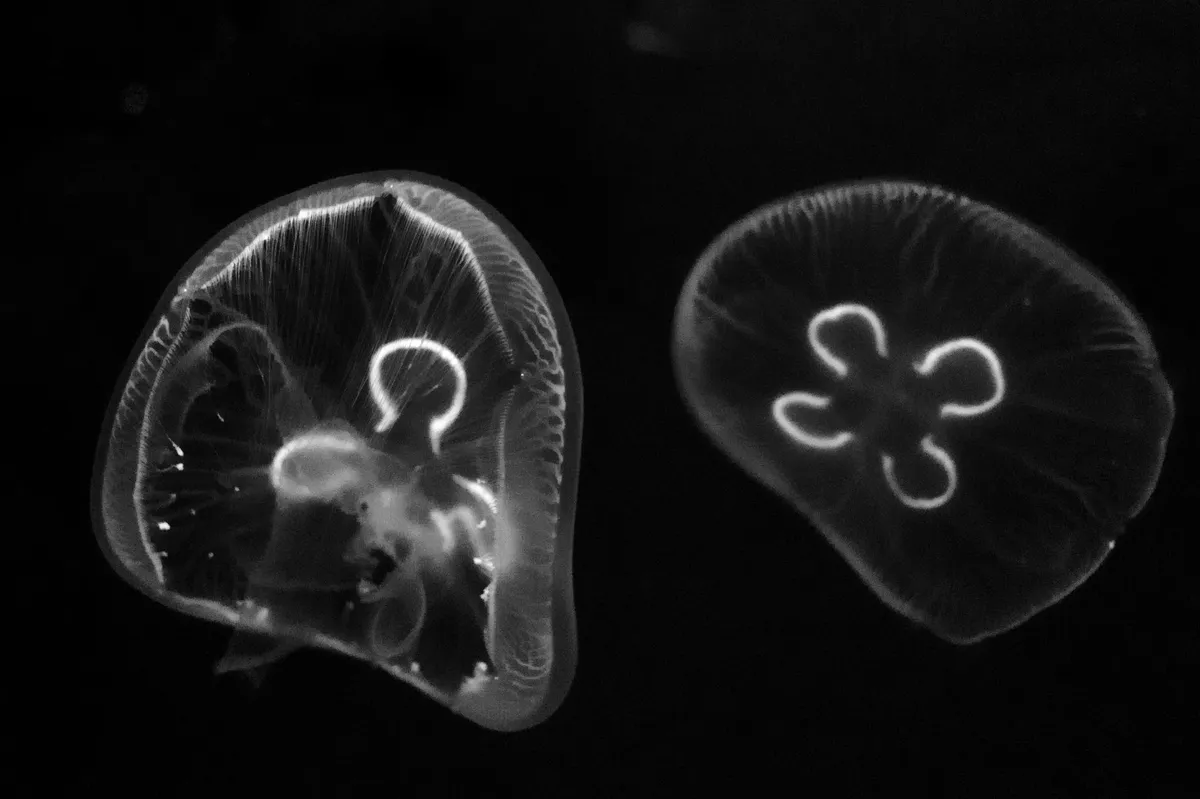
In an intriguing fusion of marine biology and oncology, researchers at the California Institute of Technology (Caltech) have turned to moon jellyfish to unravel the complex mechanisms of cancer development. These ethereal creatures, often perceived as mere oceanic curiosities, have proven to be invaluable in understanding cell proliferation—a fundamental biological process that can lead to cancer under certain conditions. This groundbreaking study not only challenges long-held beliefs about how cell growth is linked to cancer but also opens new avenues for therapeutic strategies in human medicine.
Published in the esteemed journal Proceedings of the National Academy of Sciences, the research highlights a mathematical framework developed by a collaborative team led by biology professor Lea Goentoro and control and dynamical systems expert John Doyle. Their findings provide fresh insights into the duality of cell proliferation: while it can drive cancer in some contexts, in others, it may actually protect against the disease. This dual nature of cell growth is particularly relevant as it sheds light on the age-old question of why cancer manifests differently across various species.
The Mechanics of Cell Proliferation and Cancer Risk
Cell proliferation is the biological process through which cells grow and divide to produce new cells, a process essential for maintaining healthy tissues. However, this same process poses a risk for mutations that can lead to cancer. The researchers set out to explore this relationship by asking whether it’s possible for an organism to maintain healthy tissue while simultaneously minimizing the risk of abnormal cell growth, known as neoplasia.
Why Cell Proliferation Matters
As organisms age, the accumulation of cellular divisions can lead to mutations that may result in tumor formation. This is particularly true for tissues that undergo high rates of division, such as skin and colon cells. In contrast, larger animals, like elephants, which also have high rates of cell proliferation, demonstrate a surprisingly low incidence of cancer. This paradox raises questions about the intrinsic mechanisms that regulate cell growth and mutation risks.
- Cell Proliferation: The process of cell growth and division.
- Neoplasia: Abnormal growth of tissue that can lead to tumors.
- Species Variation: Differences in cancer susceptibility among species.

Innovative Research Findings
The Caltech team’s findings revealed that under specific conditions, increased cell proliferation can actually suppress cancer development. This was a surprising outcome that contradicts the conventional narrative surrounding cell growth. The study's lead researcher, Anish Sarma, a former graduate student at Caltech and now a resident physician, pointed out that higher rates of cell turnover could facilitate a kind of cellular “proofreading,” effectively eliminating cells that might otherwise become cancerous.
The Role of Moon Jellyfish
Moon jellyfish, known for their remarkable regenerative abilities, served as the model organism for this study. The researchers found that even when these jellyfish were exposed to carcinogens, they exhibited a high resistance to cancer. By disrupting the jellyfish's ability to proliferate cells, the team observed an increase in neoplastic growths, providing compelling evidence that cell turnover plays a crucial role in maintaining cellular health.
Interestingly, this notion of cellular proofreading emerged as a pivotal aspect of the research. Sarma expressed his initial skepticism about the mathematical models predicting this phenomenon, stating, “We saw the possibility mathematically and thought, ‘That can’t be right,’ and then experiments confirmed it.” This revelation not only enhances our understanding of jellyfish biology but also suggests that similar mechanisms may exist in human tissues, potentially guiding future research into cancer prevention and treatment.

Implications for Cancer Research
The implications of this research extend far beyond the jellyfish themselves. As scientists delve deeper into the mechanisms of cell proliferation and its relationship to cancer, the findings may inform new therapeutic strategies aimed at harnessing the protective aspects of cell growth. For example, if high rates of cell turnover can prevent cancerous transformations, could similar strategies be employed in human medicine? This question is particularly salient in the context of developing treatments that enhance cellular resilience while preventing the onset of cancer.
Potential Therapeutic Strategies
One potential avenue for future research could involve drugs or therapies that enhance cellular turnover and promote rigorous quality control processes—akin to the proofreading mechanism observed in moon jellyfish. By mimicking these natural processes, researchers may be able to devise innovative interventions that could lower cancer risk in humans.
Additionally, the study encourages a reevaluation of the relationship between cell growth rates and cancer across various species. Understanding the genetic and environmental factors that contribute to these differences could pave the way for more personalized approaches to cancer prevention and treatment.

Key Takeaways
- Jellyfish as a Model Organism: Moon jellyfish provide unique insights into cell proliferation and cancer mechanisms.
- Dual Nature of Proliferation: Increased cell growth can both promote and suppress cancer, depending on the context.
- Potential for New Therapies: Understanding cellular proofreading may lead to innovative cancer prevention strategies.
- Species Variation in Cancer Risk: Insights from larger animals like elephants can inform research on cancer susceptibility.
- Future Research Directions: Further study of cellular mechanisms could enhance treatment options for cancer.
Frequently Asked Questions
How do jellyfish contribute to our understanding of cancer?
Jellyfish, specifically moon jellyfish, provide a unique model for studying cell proliferation and its relationship to cancer. Their ability to regenerate tissues and resist cancer even when exposed to carcinogens offers valuable insights into the mechanisms that govern cell growth, mutation, and neoplastic transformations. Researchers are leveraging these insights to explore new cancer prevention and treatment strategies.
What is the significance of cell proliferation in cancer development?
Cell proliferation is essential for tissue maintenance but poses a risk for cancer when mutations occur during the division process. Understanding the conditions under which proliferation can either promote or inhibit cancer is crucial for developing effective therapeutic strategies. The recent findings suggest that in some contexts, increased cell turnover may actually serve as a protective mechanism against cancer.
Can the findings from jellyfish research be applied to human medicine?
The findings from jellyfish research have significant implications for human medicine. The concept of cellular proofreading, observed in moon jellyfish, suggests that similar mechanisms may exist in human tissues. Insights gained from this research could inform the development of new therapies aimed at enhancing cellular resilience and preventing cancer, ultimately leading to more effective cancer treatment and prevention strategies.
What future research directions are suggested by this study?
This study opens several avenues for future research, including exploring the genetic and environmental factors that influence cell proliferation and cancer risk across different species. Additionally, researchers may investigate how to harness the protective aspects of cell turnover for therapeutic purposes, potentially leading to innovative cancer prevention methods.
Disclaimer: This content is general information, not legal advice.
Comments
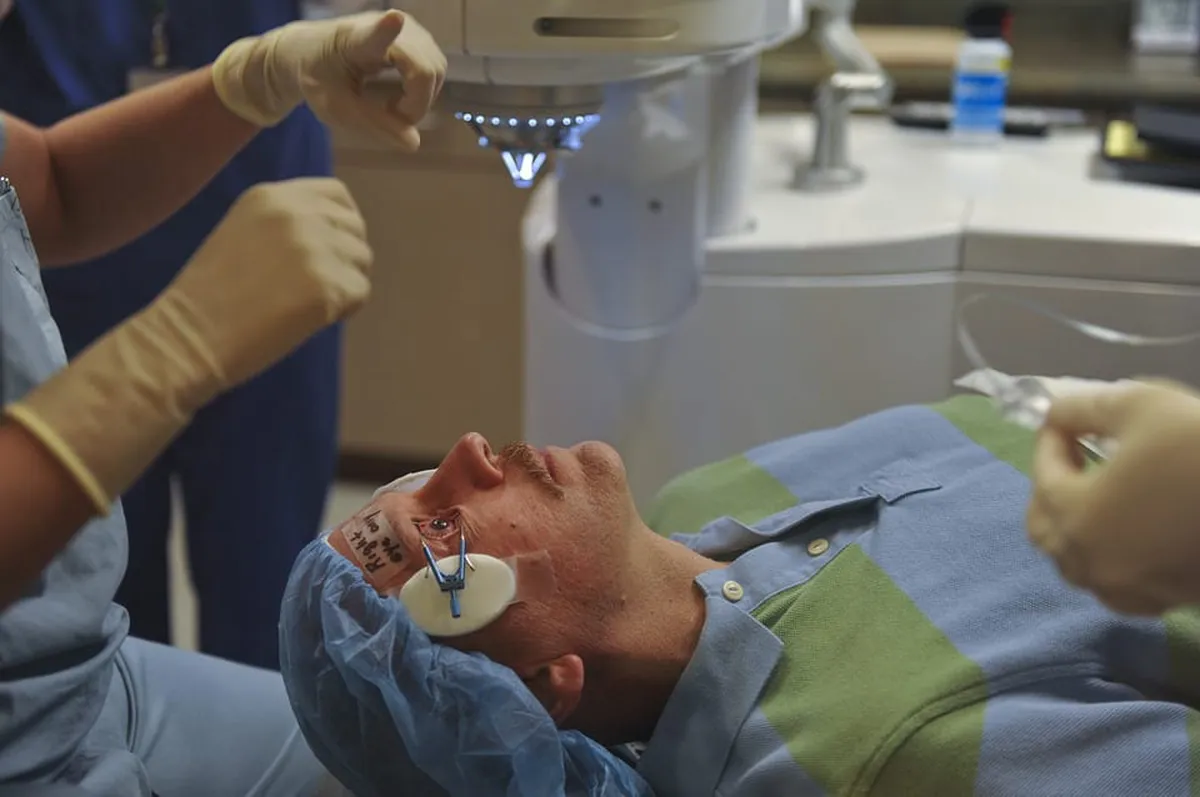
Understanding Informed Consent in Elective Eye Surgery
Informed consent is vital for patients undergoing elective eye surgeries. This article explores the complexities of informed consent, emphasizing the importance of clear communication, patient understanding, and thorough documentation to ensure patient safety and autonomy.
Related articles
Popular in Medical Malpractice
- Nevada Doctor Indicted in Alleged $95 Million Medicare Fraud Scheme
- Nationwide Recall of Thyroid Medication: What You Need to Know
- Texas Lab Settles $36.4 Million Genetic Testing Fraud Case
- Understanding Locked-In Syndrome: Legal and Care Options for Affected Families
- Misdiagnosis Tragedy: Atlanta Woman's Hysterectomy from Testing Error