2nd Circuit Court Denies NLRB Orders Against Starbucks: Implications and Analysis
In a significant ruling, the 2nd Circuit Court has chosen not to enforce National Labor Relations Board orders against Starbucks, raising questions about labor rights and corporate policies. This article explores the implications of the decision and its broader impact on workers' rights.
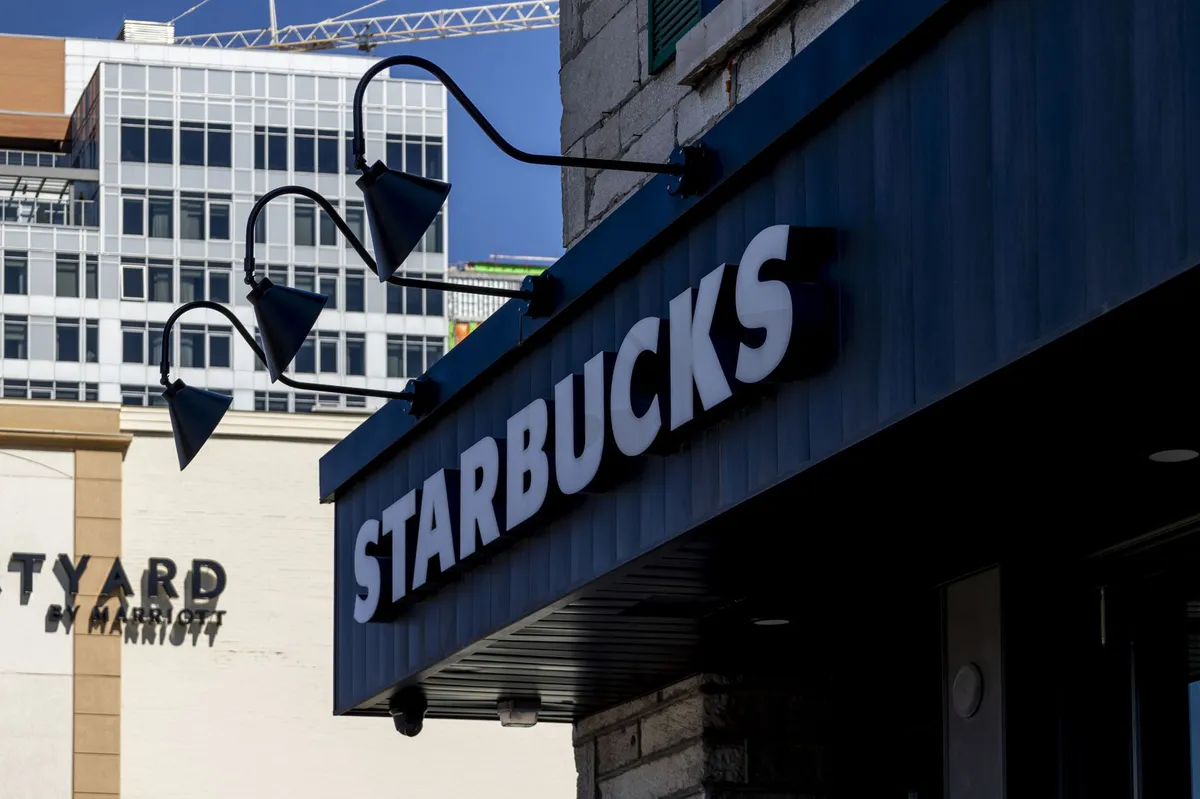
The recent decision by the 2nd Circuit Court of Appeals not to enforce the National Labor Relations Board (NLRB) orders against Starbucks has sparked considerable debate in the legal and labor communities. This ruling reflects a complex interplay between corporate policies and labor rights, highlighting the challenges faced by workers seeking to organize and advocate for better conditions in the workplace. As the labor landscape evolves, this case serves as a pivotal moment that underscores the ongoing tension between large corporations and employee rights.
Starbucks has been in the spotlight for its labor practices, particularly related to employee organizing efforts. The NLRB had previously issued orders aimed at addressing perceived violations of workers' rights, including issues related to dress codes and workplace policies. However, the 2nd Circuit's decision to reject these orders raises significant questions about the enforcement of labor laws and the power dynamics between companies and their employees.
Background on the Dispute
The conflict began when Starbucks employees sought to unionize, aiming to improve working conditions and secure better wages. In response to these efforts, the NLRB found that Starbucks had engaged in practices that interfered with the employees' right to organize. The NLRB issued orders mandating changes to certain company policies, including those related to employee dress codes, which were viewed as restrictive and potentially retaliatory against union activities.
Starbucks contested these findings, arguing that its dress code and other policies were legitimate business practices designed to maintain a cohesive brand image. The company appealed to the 2nd Circuit, asserting that the NLRB overstepped its authority and failed to adequately consider the company's rights to manage its workforce.
The Ruling: Key Points
The 2nd Circuit's ruling not to enforce the NLRB orders has significant implications for labor relations in the United States. Here are some key points from the decision:
- Non-Enforcement of NLRB Orders: The court ruled that the NLRB's orders were not enforceable, thereby allowing Starbucks to maintain its existing policies without the mandated changes.
- Corporate Autonomy: The ruling reinforces the notion that companies have discretion in establishing workplace policies, even when they intersect with employee organizing efforts.
- Impact on Unionization: This decision may have a chilling effect on unionization efforts, as workers may feel less protected against employer retaliation for organizing.
Implications for Employees
The 2nd Circuit's decision has raised concerns among labor advocates about the potential erosion of workers' rights. By siding with Starbucks, the court has sent a message that corporate interests may take precedence over employee protections in certain situations. As the labor movement continues to advocate for better working conditions, this ruling could embolden companies to resist unionization efforts and maintain strict control over workplace policies.
Legal Context and Future Considerations
This ruling occurs against a backdrop of ongoing debates surrounding labor rights in the United States. The NLRB has historically played a crucial role in protecting workers' rights to organize and bargain collectively. However, with this decision, the 2nd Circuit has highlighted the complexities that arise when balancing corporate interests with the rights of employees.
Legal experts suggest that the ruling may prompt the NLRB to reconsider its approach to enforcement and the types of policies it seeks to regulate. Furthermore, this case may set a precedent for future disputes between labor organizations and corporations, particularly in industries where employee organizing is gaining traction.
The Broader Labor Landscape
The Starbucks case is not an isolated incident but rather part of a broader trend in labor relations across various industries. As more workers advocate for their rights, the pushback from corporations is becoming more pronounced. This tension raises critical questions about the future of labor rights in the United States:
- Are labor laws sufficient? The effectiveness of current labor laws in protecting workers' rights is under scrutiny, especially in light of recent court rulings.
- Corporate Influence: The growing influence of corporations in shaping labor policy raises concerns about the balance of power in the workplace.
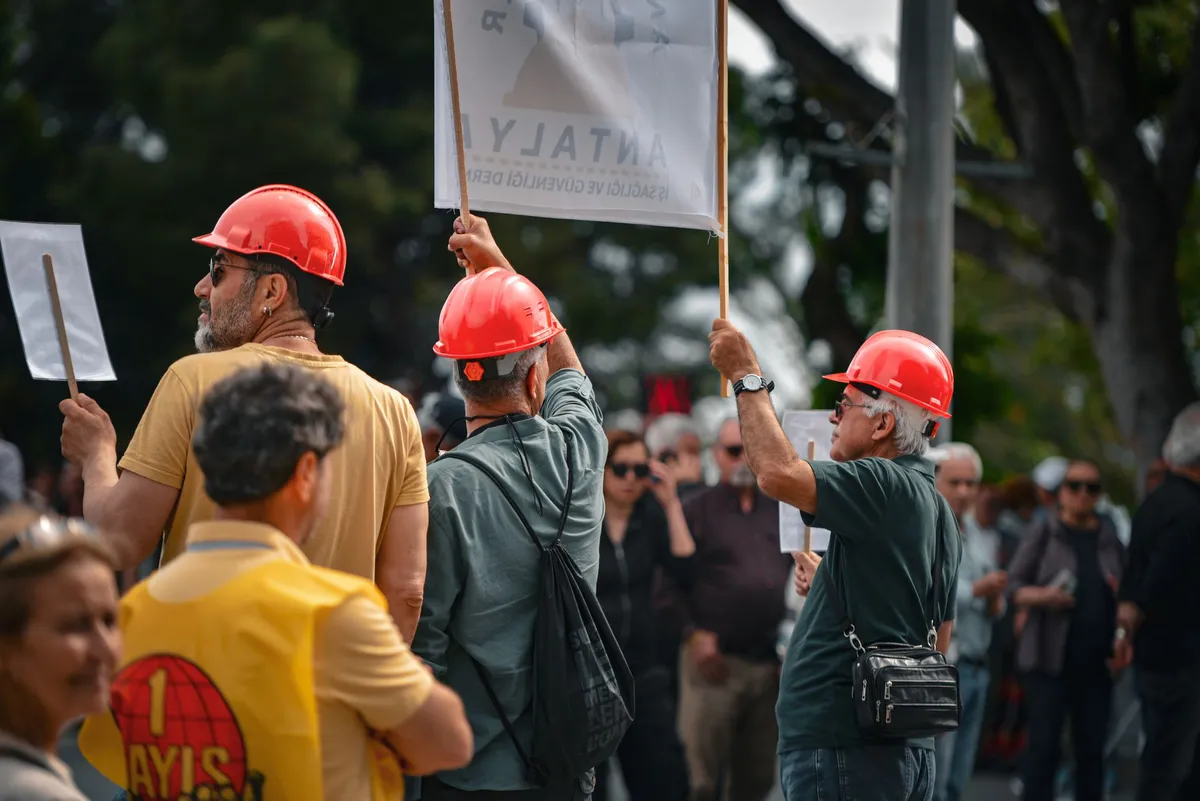
- Workers' Response: How will workers respond to perceived threats to their rights? Increased activism and organizing efforts may arise as a reaction to this ruling.
Key Takeaways
- The 2nd Circuit Court has declined to enforce NLRB orders against Starbucks, allowing the company to maintain its policies.
- This ruling may have a chilling effect on labor organizing efforts and employee protections.
- The decision underscores the ongoing tension between corporate interests and workers' rights in the United States.
- Future implications could reshape how labor laws are enforced and interpreted by the NLRB.
- The ruling is part of a larger trend in labor relations, highlighting the challenges faced by workers advocating for their rights.
Frequently Asked Questions
What led to the NLRB's involvement with Starbucks?
The National Labor Relations Board became involved with Starbucks after employees filed complaints alleging that the company engaged in practices that violated their rights to organize. These complaints included claims of retaliation against employees who sought to unionize, prompting the NLRB to investigate and issue orders aimed at protecting workers' rights.
How does this ruling affect workers' rights in general?
This ruling may negatively impact workers' rights by allowing corporations to maintain policies that could hinder organizing efforts. The decision sets a precedent that may discourage employees from pursuing unionization, as they could fear retaliation or unfavorable workplace conditions as a result.
What are the potential long-term implications of this case?
In the long term, this case may influence how labor laws are interpreted and enforced, potentially leading to reduced protections for workers. Additionally, it could encourage companies to adopt more restrictive policies regarding employee organization, thereby complicating the labor landscape for future workers.
What should employees know moving forward?
Employees should remain informed about their rights and the legal landscape surrounding workplace organizing. Understanding the implications of this ruling and staying aware of their rights under labor laws will be crucial for workers as they navigate potential challenges in advocating for better conditions in their workplaces.
This article is for informational purposes only and is not legal advice.
Comments
Deloitte Settles Employment Discrimination Claims for $21.5 Million
Deloitte has agreed to a $21.5 million settlement over allegations of employment discrimination based on race and sex while handling government contracts. This settlement, reached with the U.S. Department of Justice, underscores the importance of compliance with federal employment laws for contractors.

Related articles


Popular in Employment Law
- TidalHealth Faces Discrimination Lawsuits Amid Allegations of Retaliation
- Understanding College Football Eligibility: Key Issues and Recent Developments
- Sixth Circuit Ruling on ACA Nondiscrimination: Implications for Nurse Anesthetists
- Understanding Employee Mental Health Obligations in Franchise Workforces
- Court Ruling Defends Journalist in Data Center Defamation Case