Navigating Workplace Attire: Traditional Standards vs. Modern Flexibility
As remote work reshapes office culture, the debate over appropriate workplace attire intensifies. This article explores generational differences in dress codes and how they impact professional environments.

As the landscape of professional work continues to evolve, especially in the wake of the pandemic, the conversation surrounding workplace attire has gained renewed significance. With many employees now working from home or in hybrid environments, the clash of traditional dress codes and modern casual attire is more pronounced than ever. This shift not only reflects changing societal norms but also highlights a generational divide that affects how individuals perceive professionalism and personal expression in the workplace.
This article delves into the nuances of appropriate attire for both in-office and remote settings, examining how workplace culture is being influenced by factors such as age, industry, and the growing acceptance of casual dress codes. As companies strive to balance professionalism with comfort and individuality, understanding these dynamics becomes crucial for both employers and employees alike.
The Evolution of Workplace Attire
Historically, workplace attire was governed by strict dress codes that often required formal clothing—think suits and ties for men, and tailored dresses or skirts for women. These standards were designed to convey professionalism and authority. However, as the nature of work has changed, so too have the expectations surrounding dress. The rise of tech companies and startups has ushered in a more relaxed approach, where casual wear is not only accepted but celebrated.
Impact of Remote Work on Dress Codes
Remote work has significantly altered the dress code landscape. Employees working from home often opt for comfortable clothing, which raises the question: Does attire affect productivity? Research suggests that while casual wear can enhance comfort and reduce stress, it can also lead to a more relaxed mindset that may hinder focus for some individuals.

Generational Perspectives on Professionalism
Different generations bring unique perspectives to workplace attire. Baby boomers and Gen X employees often adhere to traditional dress codes, valuing the professional image that formal attire can project. In contrast, millennials and Gen Z workers tend to prioritize comfort and self-expression, viewing their attire as a reflection of their personality rather than merely a professional uniform.
The Role of Industry Standards
The industry also plays a critical role in shaping dress code expectations. For instance, finance and law firms traditionally uphold stricter dress codes compared to creative industries like advertising or design, where casual attire is more commonplace. This disparity highlights the importance of aligning dress codes with the company's culture and the expectations of its clientele.

Finding a Balance Between Comfort and Professionalism
As companies navigate the complexities of dress codes, finding a middle ground that accommodates both comfort and professionalism is essential. Employers are increasingly recognizing the need to adapt their policies to reflect the realities of modern work environments. This may involve establishing flexible dress codes that allow employees to choose their attire based on their roles, individual preferences, and the nature of their work.
- Encourage open dialogue: Create an environment where employees can voice their opinions on dress codes.
- Set clear expectations: Clearly communicate the dress code policy and its rationale.
- Provide guidelines: Offer examples of acceptable attire to eliminate ambiguity.
- Foster inclusivity: Ensure that dress codes are respectful of diverse backgrounds and identities.
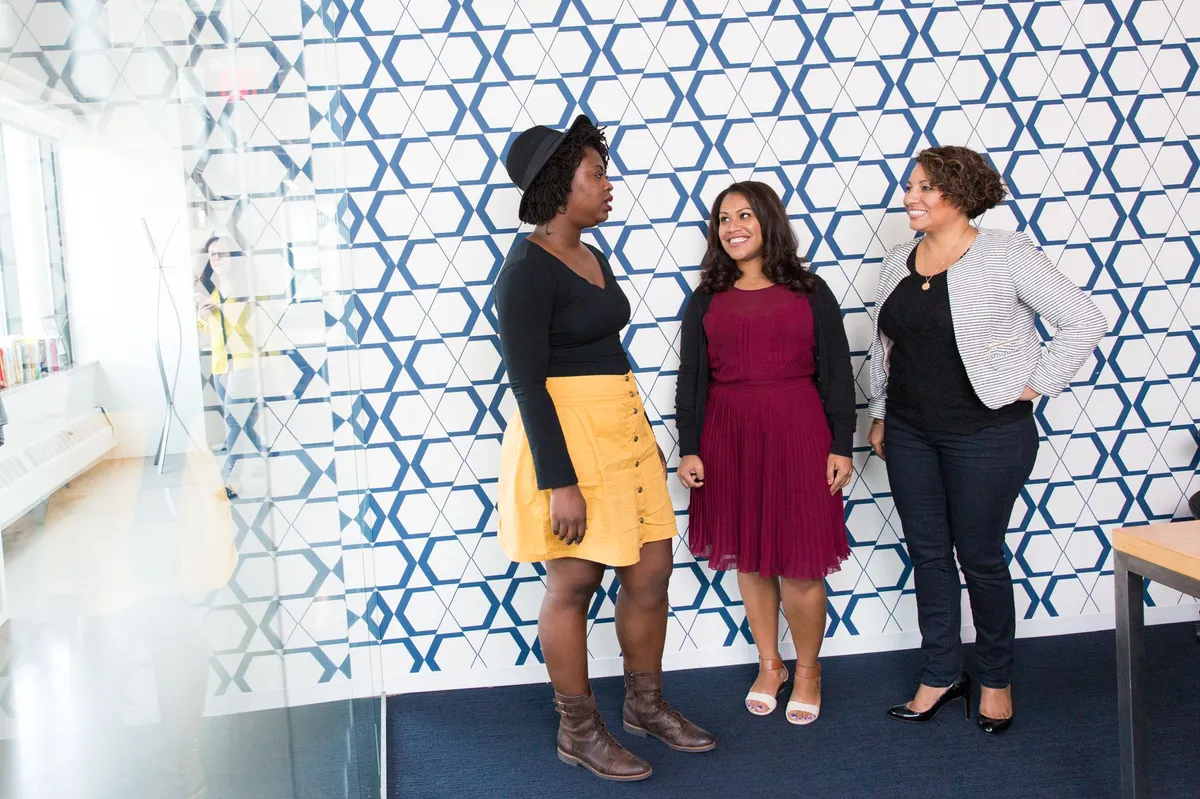
Conclusion: Embracing Change in Workplace Culture
The ongoing conversation about workplace attire reflects broader changes in societal attitudes towards professionalism and self-expression. As more employees work remotely or in hybrid settings, traditional dress codes may continue to evolve, leading to a more inclusive and comfortable work environment. Employers who embrace these changes and adapt their policies accordingly will likely foster a more engaged and satisfied workforce, ultimately benefiting their organization as a whole.
Key Takeaways
- Workplace attire is evolving, influenced by remote work and generational differences.
- Open dialogue about dress codes can enhance workplace culture.
- Industry standards play a significant role in determining acceptable attire.
- Balancing comfort with professionalism is crucial for modern workplaces.
Frequently Asked Questions
What factors should employers consider when establishing a dress code?
When creating a dress code, employers should consider the nature of their industry, the expectations of their clientele, and the preferences of their employees. They should also take into account the shift towards remote and hybrid work arrangements, which may necessitate more flexible policies. Engaging employees in the process can lead to a more effective and accepted dress code that reflects the company culture.
How can employees navigate dress codes in a hybrid work environment?
Employees in hybrid work environments should strive to understand their company’s dress code policies and adapt accordingly. This may involve dressing more formally for in-person meetings while opting for comfortable attire during remote work. Clear communication with supervisors can help clarify expectations and ensure that employees feel confident in their clothing choices.
What is the impact of casual dress codes on workplace culture?
Casual dress codes can positively impact workplace culture by promoting comfort and self-expression among employees. However, they may also blur the lines of professionalism if not managed properly. It is essential for companies to strike a balance that allows for individuality while maintaining a level of professionalism that aligns with their brand and industry.
How are companies adapting to the changing norms of workplace attire?
Many companies are reevaluating their dress code policies to reflect the preferences of a more diverse and modern workforce. This includes implementing flexible dress codes, encouraging open discussions about attire, and providing clear guidelines that respect individual identities. By doing so, companies can create a more inclusive and engaging work environment that attracts and retains talent.
Disclaimer: The content is general information, not legal advice.
Comments
Popular in Employment Law
- TidalHealth Faces Discrimination Lawsuits Amid Allegations of Retaliation
- Understanding College Football Eligibility: Key Issues and Recent Developments
- Understanding Employee Mental Health Obligations in Franchise Workforces
- Sixth Circuit Ruling on ACA Nondiscrimination: Implications for Nurse Anesthetists
- Court Ruling Defends Journalist in Data Center Defamation Case