The Changing Face of Courtroom Attire: Generational Perspectives
As courtroom protocols evolve, the clash between traditional and modern attire reflects broader societal changes. This article explores how generational differences in legal attire impact courtroom dynamics.

The courtroom has long been a bastion of tradition, with its own unspoken rules governing the attire of legal professionals. From the somber suits of the past to the more relaxed styles of today, courtroom attire reflects not only individual choices but also broader societal norms and generational shifts. As younger lawyers enter the legal profession, they often bring a fresh perspective on how to present themselves in the courtroom, leading to a fascinating clash of generational values around professionalism, comfort, and identity.
In recent years, the debate over what constitutes appropriate courtroom attire has intensified. Older generations of attorneys, who often adhere strictly to traditional dress codes, may view the more casual approaches of younger lawyers as a sign of disrespect or a lack of seriousness. Conversely, younger attorneys argue that their attire choices make them more relatable and approachable, enhancing their ability to connect with clients and juries. This article explores the implications of these generational differences and how they affect courtroom dynamics.
The Traditional View: Attire as a Symbol of Authority
For many seasoned attorneys, the courtroom is not just a venue for legal proceedings but a sacred space that demands respect. Traditional courtroom attire—tailored suits, conservative ties, and polished shoes—has long been seen as a symbol of authority and professionalism. This perspective is rooted in the belief that how one dresses can influence perceptions of competence and seriousness.
The Impact of First Impressions
Research in social psychology suggests that first impressions are formed rapidly, often within seconds. The attire of legal professionals can significantly impact how judges, juries, and clients perceive them. A well-dressed attorney may be seen as more credible and trustworthy, potentially swaying the outcome of a case. For this reason, many older attorneys advocate for maintaining traditional attire standards in court.
Generational Shift: Embracing Modern Attire
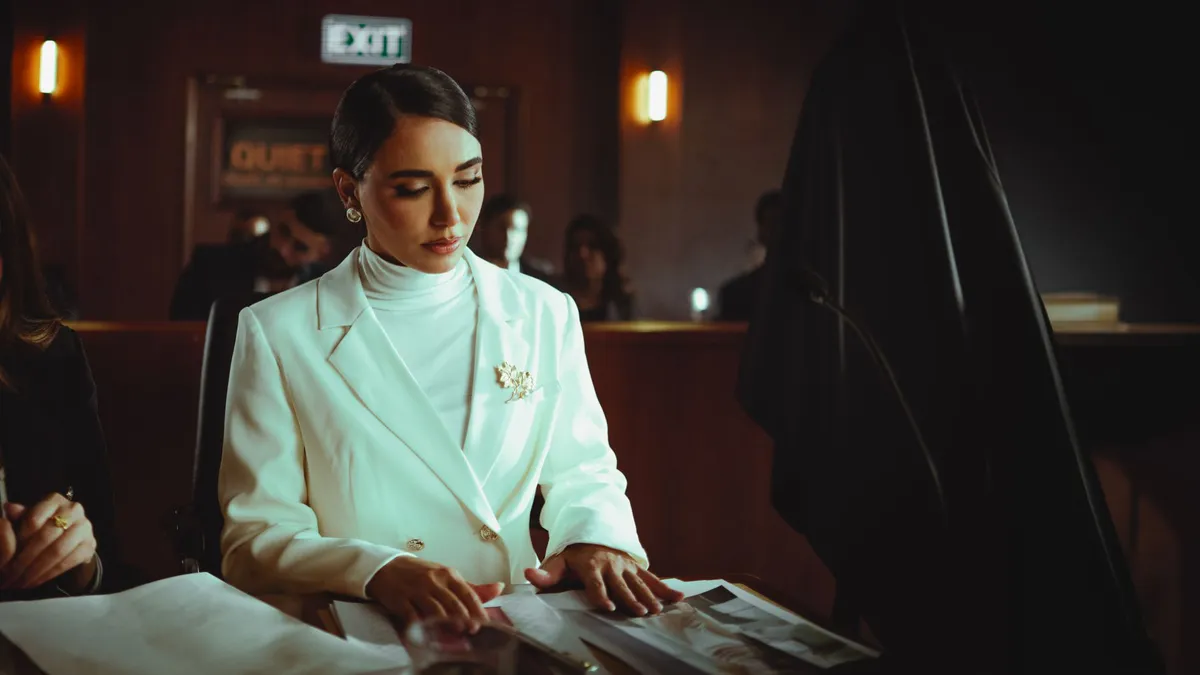
In contrast, younger lawyers are increasingly embracing a more modern approach to courtroom attire. This shift is influenced by broader societal changes, including the rise of casual dress codes in many workplaces and a growing emphasis on individuality. Younger attorneys argue that their attire reflects their personalities and helps them connect with clients who may feel alienated by formal dress codes.
Comfort vs. Professionalism
The argument for comfort is another critical aspect of this generational shift. Younger lawyers often contend that dressing comfortably allows them to perform better in high-stress situations, such as trials or depositions. They argue that if they can focus on the legal arguments rather than adjusting their uncomfortable attire, they will be more effective advocates for their clients.
Bridging the Gap: Finding Common Ground
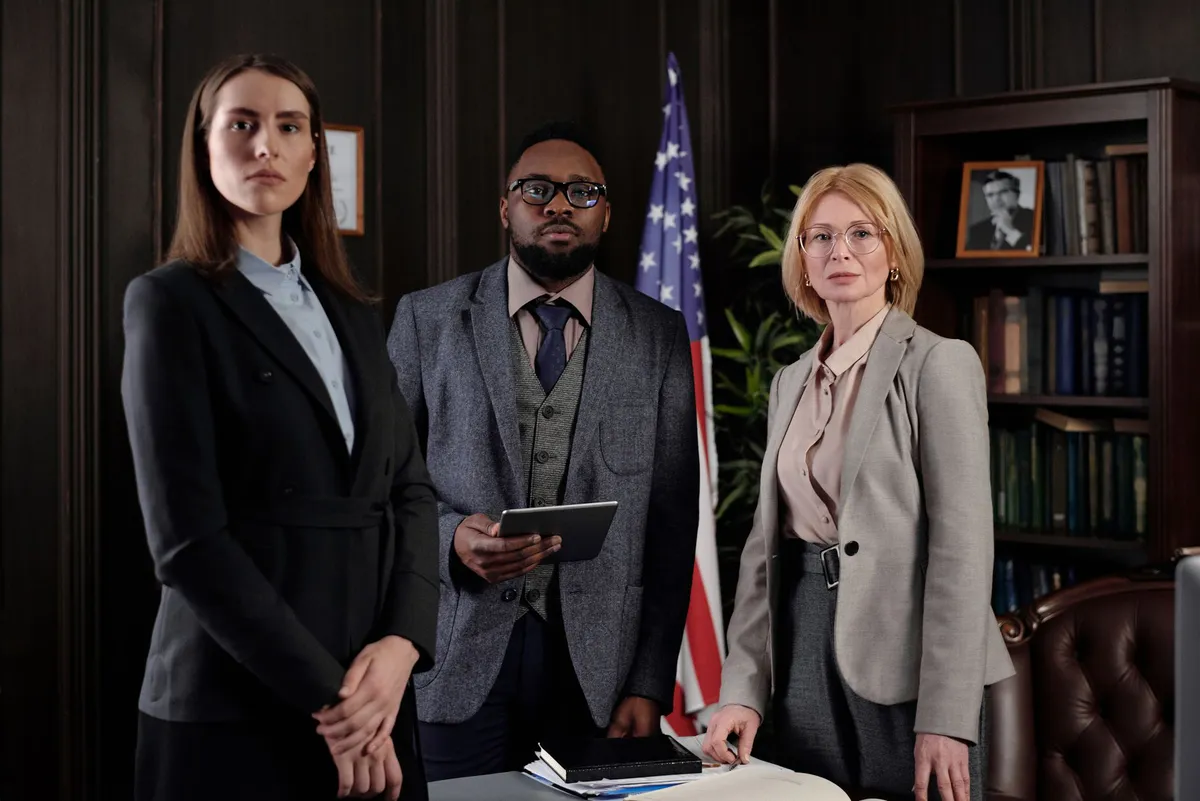
As the legal profession grapples with these differences in courtroom attire, finding common ground between generations is essential. Some law firms have begun to adopt flexible dress codes that allow for professional yet comfortable attire, aiming to respect the traditions of the past while accommodating the preferences of younger attorneys.
Case Studies: Successful Adaptations
- Firm A: Implemented a smart-casual dress code, allowing attorneys to wear blazers with dress shirts and tailored jeans, striking a balance between formality and comfort.
- Firm B: Conducted workshops on dressing for success, encouraging open discussions about attire and its impact on legal practice.
- Firm C: Established a mentoring program pairing younger and older attorneys to foster understanding and collaboration on professional attire.

The Future of Courtroom Attire
As the legal landscape continues to evolve, so too will courtroom attire. The proliferation of remote court appearances due to the COVID-19 pandemic has already shifted perceptions of what is considered acceptable in legal settings. Zoom has introduced new norms, where business casual has become the standard for many legal professionals appearing virtually.
Anticipating Changes
As younger generations become more prominent in the legal field, we can expect further changes to courtroom attire. The trend towards inclusivity and diversity will likely influence how legal professionals express themselves through clothing, and greater emphasis on authenticity may lead to a redefinition of professionalism in the courtroom.
Key Takeaways
- Generational Clash: Traditional versus modern attire reflects broader societal changes.
- First Impressions Matter: How attorneys dress can influence perceptions of credibility and professionalism.
- Comfort is Key: Younger lawyers advocate for attire that allows them to perform their best in high-stress environments.
- Flexibility is Emerging: Some firms are adopting dress codes that respect both tradition and modern preferences.
Frequently Asked Questions
Why is courtroom attire important?
Attire plays a significant role in establishing authority and professionalism in the courtroom. It can influence how clients, judges, and juries perceive an attorney's competence. Many legal professionals believe that dressing appropriately can contribute to a favorable outcome in legal proceedings.
How can younger attorneys navigate traditional expectations?
Younger attorneys can bridge the gap by adopting smart-casual attire that respects traditional norms while expressing their personal style. Engaging in discussions with older colleagues about attire expectations and seeking mentorship can also help navigate these dynamics effectively.
What are some examples of acceptable courtroom attire?
Acceptable courtroom attire typically includes tailored suits, dress shirts, and formal shoes for men, while women may wear tailored suits, professional dresses, or blouses paired with skirts or slacks. However, evolving practices may allow for smarter casual options, depending on the jurisdiction and court's culture.
How can law firms adapt to changing attire preferences?
Law firms can adapt by implementing flexible dress codes that accommodate both traditional and modern styles. Encouraging open dialogues about attire and providing training on professional presentation can help create a culture that respects both the past and the evolving norms of the legal profession.
This content is general information, not legal advice.
Comments
Whistleblower Case: San Francisco DA Faces Retaliation Claim
A federal judge has allowed a retaliation claim by former San Francisco DA investigator Jack Friedman to proceed, highlighting important First Amendment issues in public employment.

Related articles


Popular in Employment Law
- TidalHealth Faces Discrimination Lawsuits Amid Allegations of Retaliation
- Understanding College Football Eligibility: Key Issues and Recent Developments
- Understanding Employee Mental Health Obligations in Franchise Workforces
- Sixth Circuit Ruling on ACA Nondiscrimination: Implications for Nurse Anesthetists
- Court Ruling Defends Journalist in Data Center Defamation Case