Former Prosecutor Sues Justice Department Over Dismissal Linked to Blog Criticism
Will Rosenzweig, a former federal prosecutor fired after criticizing Trump in a blog, is suing the Justice Department for violating his First Amendment rights. The case raises critical questions about free speech and political loyalty in public employment.
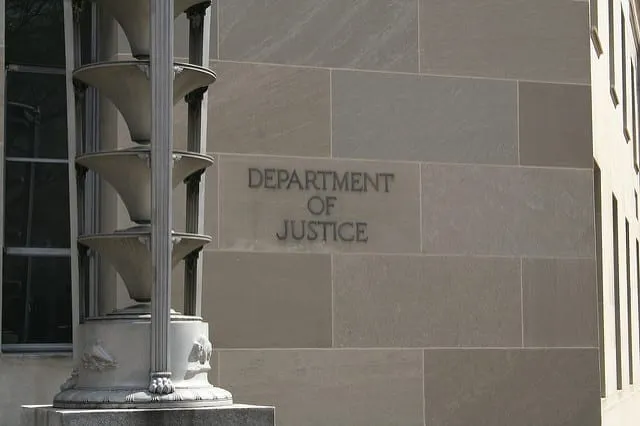
In a significant legal battle that intertwines free speech, political loyalty, and public employment, Will Rosenzweig, a former federal prosecutor, has filed a lawsuit against the U.S. Department of Justice (DOJ). Rosenzweig claims that he was unlawfully terminated due to his past criticisms of President Donald Trump on a blog that had been inactive for over six years. This case not only highlights the precarious balance between free expression and government employment but also raises broader questions about the implications of political loyalty in the federal workforce.
Rosenzweig's situation came to light under striking circumstances. Just two weeks before he was set to prosecute a multimillion-dollar Medicare fraud case, his long-defunct blog was rediscovered by a conservative commentator, Natalie Winters. The blog, which mainly featured non-political content, included critical remarks about Trump, whom Rosenzweig labeled as "mentally unfit" and a "white supremacist." The rapid response from the DOJ, culminating in Rosenzweig's termination while he celebrated the Jewish holiday of Rosh Hashana with his family, underscores the tense atmosphere surrounding political discourse in the current administration.

Background on the Lawsuit
Filed in late September, Rosenzweig's lawsuit alleges that his firing is a blatant violation of his First Amendment rights. His attorneys argue that the DOJ's actions were not just punitive but indicative of a broader culture of fear that suppresses free speech among public servants. The lawsuit paints Rosenzweig as a dedicated employee, lauded for his contributions to the agency, who was suddenly discarded because of private opinions expressed as a civilian.
Rosenzweig’s blog, while largely apolitical in nature, became a target due to its politically charged revelations about Trump. This incident reflects a growing trend wherein individuals within the government are held accountable for their private speech, raising ethical questions about the limits of free expression for public employees. Rosenzweig's legal team contends that the DOJ’s actions signal an alarming precedent: that criticism of the government could lead to job loss.

The Broader Context of Free Speech
The First Amendment of the U.S. Constitution guarantees freedom of speech, but its application can become murky when it intersects with public employment. Federal employees, including prosecutors, are expected to uphold the integrity and impartiality of their positions. However, the question remains: to what extent should they be able to express their opinions without fear of retribution?
Legal experts note that while public employers can impose certain restrictions on employee speech, particularly when it pertains to their official duties, the line can become blurred when personal expression is involved. The Supreme Court has historically supported the rights of public employees to speak on matters of public concern, as seen in landmark cases like Pickering v. Board of Education (1968) and Garcetti v. Ceballos (2006). These rulings suggest that as long as the speech is not made in the course of performing official duties, public employees should be allowed to express their views without facing employment consequences.
- Will Rosenzweig was fired for blog posts critical of Trump.
- The case raises concerns about First Amendment rights.
- Rosenzweig’s blog was inactive for over six years before his termination.
- The lawsuit seeks reinstatement and back-pay.
- Political loyalty is increasingly scrutinized in federal employment.

The Implications of Political Loyalty
Rosenzweig’s firing is emblematic of a larger trend within the DOJ, as conservative loyalists have reportedly moved to purge the department of those who are perceived as critical of President Trump and his administration. This political environment fosters a culture of intimidation, where employees may feel pressured to suppress dissenting opinions to safeguard their careers. As noted by Rosenzweig's attorneys, such a practice would fundamentally alter the nature of public service, leading to an erosion of democratic principles.
The lawsuit argues against a dangerous precedent where government employment is contingent upon political loyalty rather than merit. The statement from Rosenzweig’s legal team underscores the broader implications of his case: “Conditioning public employment on political loyalty, where a party card rather than merit opens the door to a government job, is a way of life in Havana and Caracas. It has no place here.” This assertion invokes the importance of protecting free speech within the government, insisting that public employees should not be penalized for their political beliefs or expressions, especially when they do not interfere with their official duties.
Legal Outcomes and Future Considerations
The outcome of Rosenzweig's lawsuit could set a significant precedent for how free speech is treated in the context of federal employment. If the court rules in his favor, it may affirm the rights of public employees to express their views without fear of retaliation, reinforcing the principles of free speech enshrined in the Constitution.
Conversely, should the DOJ prevail, it could embolden further punitive actions against employees who express dissenting opinions, leading to a chilling effect on free speech within government ranks. The legal community is watching closely as this case unfolds, recognizing its potential to influence future interpretations of employee rights and free speech protections.

Key Takeaways
- Will Rosenzweig's lawsuit challenges the legality of his firing based on past blog posts.
- The case highlights ongoing tensions between free speech rights and political loyalty in government roles.
- A ruling in favor of Rosenzweig could bolster protections for public employees’ expressions.
- Government employment should prioritize merit over political affiliation.
- The implications of this case could resonate beyond Rosenzweig, affecting many public servants.
Frequently Asked Questions
What led to Will Rosenzweig's firing from the DOJ?
Will Rosenzweig was fired after a conservative commentator uncovered his long-inactive blog, which included criticisms of President Donald Trump. The rapid response from the DOJ resulted in his termination just days before he was set to take a major case to trial, which raised questions about the motivations behind his dismissal.
What are the main legal claims in Rosenzweig's lawsuit?
The lawsuit primarily claims a violation of Rosenzweig's First Amendment rights, arguing that his firing was punitive in response to his private speech as a citizen. His legal team contends that the DOJ's actions were unlawful and retaliatory, as they stemmed from his criticisms of the government and its leaders.
How could this case impact future public employment policies?
If Rosenzweig wins, it could set a precedent strengthening the rights of public employees to express their opinions without fear of retribution. Such a ruling would bolster protections for free speech, potentially influencing policies that govern how public employees can engage in political discourse.
What does this case reveal about the current political climate within the DOJ?
The case illustrates the growing scrutiny of political affiliations within the DOJ, particularly under the current administration. It reflects a broader environment where loyalty to political figures is increasingly prioritized over impartiality and merit in federal employment, raising serious concerns about the implications for democratic governance.
This content is general information and not legal advice.
Comments
Popular in Employment Law
- TidalHealth Faces Discrimination Lawsuits Amid Allegations of Retaliation
- Understanding College Football Eligibility: Key Issues and Recent Developments
- Understanding Employee Mental Health Obligations in Franchise Workforces
- Sixth Circuit Ruling on ACA Nondiscrimination: Implications for Nurse Anesthetists
- Court Ruling Defends Journalist in Data Center Defamation Case