Teamsters Union Challenges California's Fast-Track for Autonomous Trucks
The Teamsters Union has filed a lawsuit against California's DMV over expedited regulations for autonomous trucks, claiming it jeopardizes jobs and public safety.

In a significant legal maneuver, the Teamsters Union, representing over 250,000 workers across various industries, has filed a lawsuit against the California Department of Motor Vehicles (DMV). This action stems from the DMV's recent decision to fast-track regulations permitting autonomous commercial trucks weighing over 10,000 pounds on California's highways. The union argues that this regulatory shift, made without adequate public consultation or economic analysis, threatens the livelihood of thousands of truck drivers and poses risks to public safety.
The ramifications of this lawsuit extend beyond mere regulatory adjustments; they touch upon the very fabric of California's workforce and the burgeoning field of autonomous vehicle technology. As companies pour investments into developing self-driving trucks, the Teamsters assert that these changes will lead to significant unemployment among truck drivers, ultimately endangering both jobs and the state’s economy.
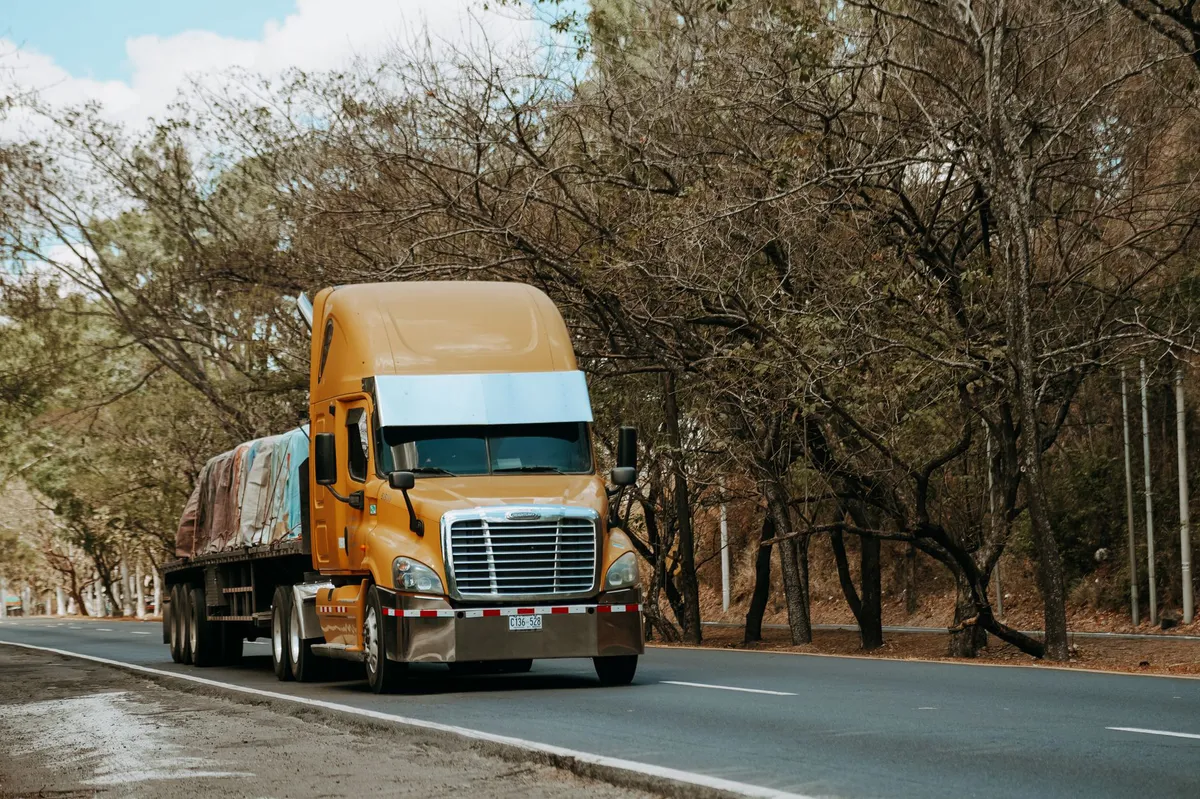
Background on Autonomous Vehicle Regulations in California
California has long been at the forefront of autonomous vehicle testing and regulations, having enacted a ban on self-driving heavy-duty trucks nearly a decade ago. This ban was primarily motivated by safety concerns and the potential economic fallout for commercial drivers. However, with advancements in technology, such as Aurora Innovation’s recent success in achieving a 1,000-mile driverless operation, the landscape has begun to shift.
In April 2025, the DMV announced its intention to amend existing regulations to allow for the testing and eventual deployment of these heavy-duty autonomous vehicles. The Teamsters claim that this decision was made hastily and without proper consideration of its broader economic implications.
Concerns Over Economic Impact
The Teamsters' lawsuit highlights a critical aspect of the regulatory process: the requirement for a Standardized Regulatory Impact Assessment (SRIA) when a regulation is deemed to have significant economic consequences. According to the union, the DMV's assertion that the changes would result in a mere $5.8 million economic impact is grossly underestimated. In their complaint, they argue that direct costs could reach nearly $288 million in the first year, with indirect costs potentially doubling that figure.
These projections stem from the expected influx of investment from autonomous trucking companies into California. The Teamsters contend that the DMV failed to account for these substantial investments in infrastructure, technology, and human resources that would be required to support the new regulations.

Job Security and Public Safety Concerns
At the heart of the Teamsters' lawsuit is a profound concern for job security. The union argues that the deployment of self-driving trucks could jeopardize the jobs of more than 200,000 semi-truck drivers currently employed in California. They assert that the DMV's regulatory changes are primarily serving corporate interests at the expense of average Californians and working families.
In their complaint, the Teamsters state: “The deployment of self-driving trucks authorized by the regulatory changes has the potential to eventually wipe out jobs.” This assertion raises questions about not only the immediate job outlook for truck drivers but also the long-term implications for the transportation industry as a whole. The shift toward automation has been a contentious issue, with many fearing that it could lead to widespread job displacement across various sectors.
Legal Framework and Implications
The legal framework surrounding this case is rooted in California's Administrative Procedure Act, which governs how state agencies create and implement regulations. The Teamsters are asking the Alameda County court to set aside the DMV’s amended autonomous vehicle regulations, claiming that the agency failed to conduct a proper economic analysis as required by law.
If the court sides with the Teamsters, it could lead to significant delays in the introduction of autonomous trucks on California highways, potentially reshaping the future of autonomous vehicle legislation in the state. Furthermore, a ruling in favor of the Teamsters could set a precedent for how economic impact assessments are conducted for future regulatory changes, particularly those affecting jobs and public safety.

Corporate Interests vs. Public Welfare
One of the most contentious points raised by the Teamsters is the notion that the DMV’s regulatory changes were made to benefit corporate interests rather than the public good. The union claims that the DMV rushed these regulations under the guise of amending existing rules for lighter vehicles, ignoring the substantial implications for heavy-duty autonomous trucks.
As the landscape of transportation evolves, this lawsuit underscores the critical balance that must be struck between promoting technological advancement and ensuring the welfare of workers. The Teamsters argue that the current regulatory framework favors large corporations seeking to capitalize on autonomous technology while neglecting the economic stability of California's workforce.
Key Takeaways
- The Teamsters Union has filed a lawsuit against California's DMV over new regulations for autonomous trucks.
- The union claims the DMV failed to conduct a proper economic impact assessment, underestimating the costs involved.
- More than 200,000 truck driver jobs could be at risk due to the deployment of self-driving trucks.
- The lawsuit aims to protect workers' rights and ensure public safety in the face of rapid technological change.
- A court ruling could set a precedent for future regulatory assessments affecting labor and safety.
Frequently Asked Questions
What are the main concerns of the Teamsters regarding autonomous trucks?
The Teamsters Union is primarily concerned about the potential job loss of over 200,000 truck drivers as a result of the DMV's fast-tracked regulations allowing autonomous trucks. They argue that the regulatory changes prioritize corporate interests over workers' rights and public safety, failing to consider the significant economic impacts these changes could have on the workforce.
How does the lawsuit challenge the regulatory process of the DMV?
The lawsuit challenges the DMV's decision-making process by asserting that the agency did not conduct a Standardized Regulatory Impact Assessment (SRIA) as required by California law. The Teamsters claim that the DMV's economic impact analysis grossly underestimated the costs associated with the regulations, which could have far-reaching implications for the state's economy and workforce.
What could be the outcome of this lawsuit?
If the court rules in favor of the Teamsters, it could halt the implementation of the new regulations and require the DMV to conduct a thorough economic analysis before proceeding. This outcome could significantly delay the deployment of autonomous trucks in California and set a precedent for how future regulatory changes are assessed, particularly regarding their impact on jobs and public safety.
How can the public get involved or support the Teamsters in this case?
Members of the public who are concerned about the implications of autonomous trucks and the potential loss of jobs can support the Teamsters by staying informed about the lawsuit's progress, participating in public discussions or forums, and advocating for policies that prioritize worker protection in the face of technological advancements. Engaging with local representatives and expressing concerns about the impact of automation on employment can also amplify public sentiment in support of workers.
This content is general information and not legal advice.
Comments
Popular in Employment Law
- TidalHealth Faces Discrimination Lawsuits Amid Allegations of Retaliation
- Understanding College Football Eligibility: Key Issues and Recent Developments
- Understanding Employee Mental Health Obligations in Franchise Workforces
- Sixth Circuit Ruling on ACA Nondiscrimination: Implications for Nurse Anesthetists
- Court Ruling Defends Journalist in Data Center Defamation Case