Taylor Swift Triumphs in Poetry Copyright Case Amid Personal Milestones
Taylor Swift recently secured a significant legal victory in a poetry copyright lawsuit, just days after her marriage to NFL star Travis Kelce. This case highlights the complexities of copyright law in the music industry and its implications for artists.

In an exciting intersection of personal and professional triumphs, Taylor Swift has emerged victorious in a poetry copyright lawsuit just days after marrying NFL star Travis Kelce. This victory, while celebrated by fans and supporters, also sheds light on the intricate landscape of copyright law, particularly within the music industry, where the lines between inspiration and infringement can often blur.
The lawsuit revolved around allegations that Swift's song lyrics borrowed heavily from the work of a lesser-known poet. As Swift navigates the complexities of the legal system, her victory serves as a reminder of the importance of copyright protection for artists and the challenges they face in asserting their rights.
The Legal Landscape of Copyright in Music
Copyright law exists to protect the original works of authors, artists, and creators. In the context of music, lyrics, melodies, and even certain arrangements can be copyrighted. This legal framework is crucial for artists like Swift, who invest significant time and resources into their creations. Understanding how copyright works is essential for both established musicians and those aspiring to break into the industry.
What Constitutes Copyright Infringement?
Copyright infringement occurs when an individual or entity uses a copyrighted work without permission from the rights holder. In the case of song lyrics, this can manifest in various ways:
- Direct copying of lyrics or melodies
- Substantial similarity to the original work
- Use of recognizable phrases or themes without attribution
For artists, proving infringement can be challenging. It often requires demonstrating that the alleged infringer had access to the original work and that there are significant similarities between the two pieces. Swift's case highlights how even the most successful artists are not immune to these legal challenges.
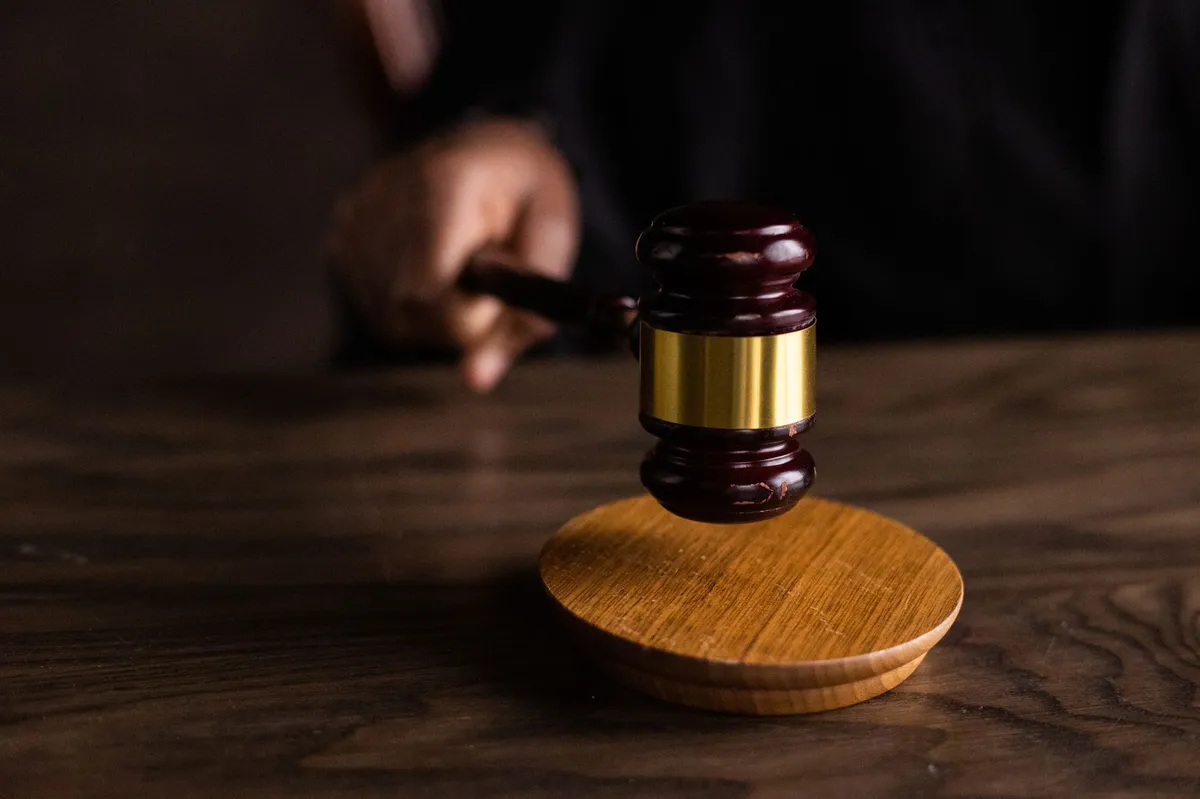
Swift's Recent Legal Battle
The lawsuit against Swift was initiated by a poet who claimed that her song lyrics mirrored themes and language from his published poetry. While the details of the case involved nuanced legal arguments, the core issue revolved around whether Swift's lyrics were inspired by or copied from the poet's work. Swift's legal team argued that her lyrics were original and that any similarities were coincidental, a common defense in copyright cases.
The Verdict and Its Implications
In a significant ruling, the court sided with Swift, affirming her rights as a creator and reinforcing the notion that artistic inspiration is a complex and often subjective matter. The outcome not only protects Swift's work but also sets a precedent for other artists facing similar claims.
Following the verdict, Swift expressed gratitude for the ruling, emphasizing the importance of protecting creative expression. This case serves as a pivotal moment in the ongoing discourse about copyright in the music industry and the challenges artists face in defending their work.
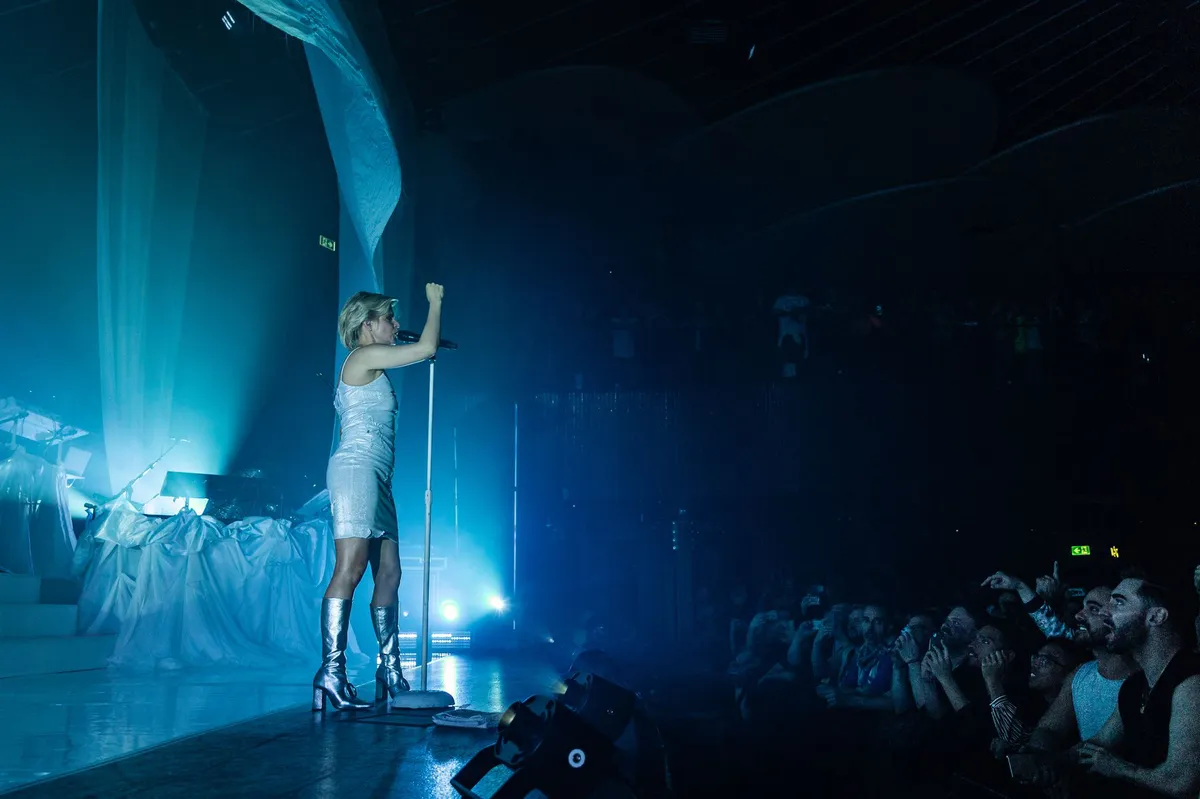
The Broader Impact on Artists
Swift's legal victory is not only a personal triumph but also a significant moment for artists across various mediums. It underscores the need for creators to understand their rights under copyright law and the importance of seeking legal counsel when faced with infringement claims. Here are some key takeaways for artists:
- Understanding copyright law is crucial for protecting your work.
- Documenting your creative process can help in legal disputes.
- Seeking legal advice early can prevent costly litigation.
As artists navigate the complexities of creation and inspiration, awareness of copyright implications is vital for safeguarding their artistic integrity.

Key Takeaways
- Taylor Swift won a significant copyright lawsuit protecting her creative rights.
- Copyright law is essential for safeguarding artists' original works.
- Understanding the nuances of copyright can help artists defend against infringement claims.
Frequently Asked Questions
What should artists do if they suspect copyright infringement?
If an artist suspects that their work has been infringed upon, the first step is to document the similarities and any evidence of the infringement. Consulting with a legal professional who specializes in copyright law can provide clarity on the situation and help determine the best course of action, whether that involves sending a cease-and-desist letter or pursuing legal action.
How can artists protect their creative works?
Artists can protect their works by registering their copyrights with the U.S. Copyright Office. While copyright protection exists automatically upon the creation of a work, registration provides legal advantages, including the ability to sue for statutory damages and attorney's fees in case of infringement. Moreover, keeping thorough records of the creative process can help establish ownership and originality.
What are the common defenses against copyright infringement claims?
Common defenses against copyright infringement claims include fair use, independent creation, and lack of substantial similarity. Fair use allows for limited use of copyrighted materials without permission, typically for purposes like criticism, commentary, or education. Independent creation asserts that the accused had no access to the original work and developed their creation independently. Demonstrating a lack of substantial similarity can also negate claims of infringement.
Why is this case significant for the music industry?
This case is significant for the music industry because it highlights the ongoing challenges artists face regarding copyright infringement claims. As music becomes more interconnected and influenced by various genres, the potential for legal disputes increases. Swift's victory reinforces the importance of protecting creative expression while also recognizing the complexities of artistic inspiration.
This content is general information and not legal advice.
Comments
Texas Tech Faculty Unions Sue Over Censorship of Classroom Content
Two faculty unions have filed a lawsuit against Texas Tech University, claiming recent memos restrict discussions on race and gender, violating First Amendment rights.

Related articles

Popular in Employment Law
- TidalHealth Faces Discrimination Lawsuits Amid Allegations of Retaliation
- Understanding College Football Eligibility: Key Issues and Recent Developments
- Understanding Employee Mental Health Obligations in Franchise Workforces
- Sixth Circuit Ruling on ACA Nondiscrimination: Implications for Nurse Anesthetists
- Court Ruling Defends Journalist in Data Center Defamation Case