Grubhub's $25 Million Settlement: A Decade of Legal Battles for Drivers
After ten years of litigation, a federal judge has approved a $25 million settlement for Grubhub delivery drivers in California. This resolution marks a significant victory for drivers seeking fair treatment and compensation under labor laws.
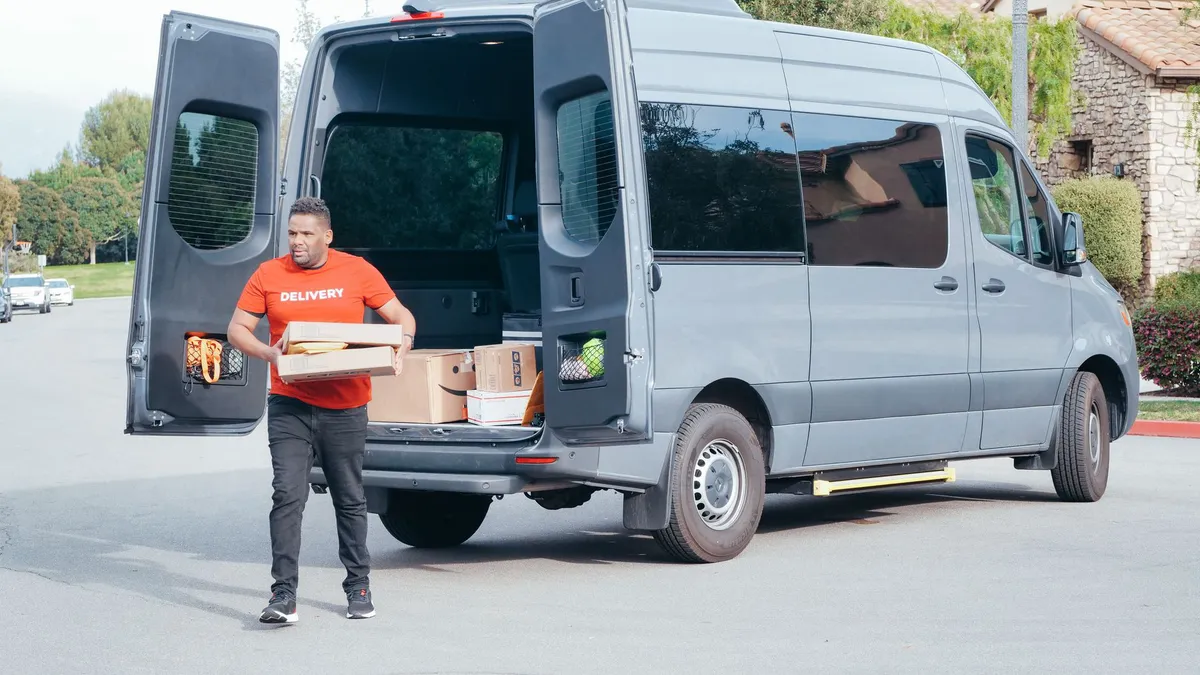
In a landmark ruling that has been a decade in the making, U.S. District Judge Jaqueline Scott Corley granted final approval for a $25 million settlement benefiting approximately 60,000 delivery drivers associated with Grubhub in California. The case, which has evolved through various legal challenges since its inception in 2015, highlights significant issues surrounding gig economy workers' rights and their classification under labor laws.
Judge Corley expressed her satisfaction during the final approval hearing, emphasizing the prolonged journey this case has undertaken. She remarked, “Alright, now is my final approval of this, my oldest case, that has, of course, went through many iterations and change in law.” This statement encapsulates the complexity of the legal landscape for gig workers, which has been rapidly changing, particularly in California.
The Background of the Grubhub Case
The roots of this legal battle trace back to November 2015, when Raef Lawson, an aspiring actor who took up food delivery for Grubhub, filed a lawsuit after just four months on the job. Lawson claimed that Grubhub unfairly categorized him as an independent contractor, thereby depriving him of minimum wage protections and reimbursement for incurred expenses. The case raised crucial questions about the rights of gig economy workers, who often find themselves in precarious positions without the benefits afforded to traditional employees.
Importance of Employee Classification
In California, the classification of workers has significant implications regarding labor rights. Under California law, employees are entitled to various protections, including minimum wage, overtime pay, and access to health benefits. In contrast, independent contractors do not receive these protections. Lawson's initial victory in 2018 was overturned by the Ninth Circuit in 2021, which found that he had indeed been misclassified as an independent contractor and was entitled to employee status all along. This case underscores the ongoing struggle for gig workers nationwide as they fight for fair treatment and recognition.
The Settlement Details
The approved settlement allocates a total of nearly $25 million to affected drivers, with each class member guaranteed a minimum payment of $25. The final amount each driver receives will depend on the number of miles they drove while making deliveries. Notice of the settlement was communicated through various channels, including a dedicated website, emails, and a toll-free phone number, ensuring that drivers were well-informed about their rights to claim compensation.
Claims and Fund Distribution
Settlement payouts will be based on a tiered system related to delivery mileage, reflecting the varying levels of impact experienced by drivers. This structure also serves to incentivize participation, ensuring that as many drivers as possible benefit from the resolution. Importantly, Lawson, as the lead plaintiff, will receive a service award of $10,000 for his role in bringing the case to fruition, in addition to the $65.11 he was awarded in personal damages.

Challenges in Legal Proceedings
Throughout the litigation process, Judge Corley faced various challenges, particularly regarding the claims made post-Proposition 22—a controversial measure enacted by California voters in 2020 that allows gig workers to remain classified as independent contractors. The judge initially found that Lawson’s claims were limited to events prior to the passage of this proposition. However, the settlement ultimately addressed claims through the present day, reflecting a significant shift in how gig worker rights are interpreted under California law.
Objections and Attorney Fees
Despite the positive outcome, the court expressed reservations about the attorneys’ fees requested by the plaintiffs’ legal team, which totaled $8.25 million or 33% of the settlement fund—exceeding the Ninth Circuit's benchmark of 25%. Judge Corley ultimately approved $6.18 million in fees, emphasizing her belief that the requested amount was unwarranted. This decision highlights ongoing tensions in class action lawsuits regarding the distribution of funds between plaintiffs and their legal representation.
The Wider Implications for Gig Workers
This settlement is not merely a financial victory for Grubhub drivers; it represents a broader shift in the legal landscape for gig workers across the United States. As more cases emerge challenging the classification of gig economy workers, the precedent set by this case could influence future labor laws and the rights of workers in similar positions.
What This Means for the Gig Economy
With the rise of the gig economy, workers are increasingly finding themselves in roles that lack traditional employment protections. The outcome of this case, coupled with ongoing debates surrounding Proposition 22, signals a potential turning point in how labor laws adapt to modern work environments. As gig workers continue to advocate for their rights, this settlement may inspire more individuals to seek justice against companies that misclassify employees.
Key Takeaways
- $25 million settlement approved for Grubhub drivers after a decade-long legal battle.
- Claims rate was high, with minimal opt-outs and objections, indicating strong support for the settlement.
- Each driver guaranteed a minimum payout of $25, with amounts based on delivery mileage.
- Settlement addresses claims through the present day, despite challenges posed by Proposition 22.
- Legal fees were capped at $6.18 million, below the requested amount.
Frequently Asked Questions
What does this settlement mean for Grubhub drivers?
This settlement represents a landmark victory for Grubhub drivers, affirming their rights as employees rather than independent contractors. The financial compensation is intended to address past underpayments and ensure that drivers receive fair wages for their work. It also sets a precedent for future legal actions regarding gig workers’ rights.
How can Grubhub drivers claim their settlement payments?
Eligible drivers were notified via various channels, including emails and a dedicated website. To claim their payments, drivers need to follow the instructions provided in these communications, which outline the steps necessary to submit a claim based on their delivery mileage.
What impact does Proposition 22 have on this case?
Proposition 22 complicates the legal landscape for gig workers in California by allowing companies to classify drivers as independent contractors. However, the settlement has addressed claims made after the passage of this law, indicating a judicial willingness to challenge the implications of Prop 22 and uphold workers' rights.
What are the broader implications of this case for the gig economy?
The resolution of this case could pave the way for similar lawsuits across the gig economy, potentially leading to changes in classification and protections for workers. As more individuals pursue legal action for misclassification, the outcome may influence future legislation and corporate practices affecting gig workers nationwide.
This article is for informational purposes only and does not constitute legal advice.
Comments
Insurance Group Challenges $10M Racial Bias Award in Workplace Case
An insurance group is attempting to overturn a $10 million damages award linked to a racial bias lawsuit against an HR company. This case spotlights critical issues in employment law and the implications for workplace discrimination.

Related articles
Popular in Employment Law
- TidalHealth Faces Discrimination Lawsuits Amid Allegations of Retaliation
- Understanding College Football Eligibility: Key Issues and Recent Developments
- Sixth Circuit Ruling on ACA Nondiscrimination: Implications for Nurse Anesthetists
- Understanding Employee Mental Health Obligations in Franchise Workforces
- Court Ruling Defends Journalist in Data Center Defamation Case