Wisconsin Appeals Court Revives Controversial Labor Law Affecting Public Workers
A Wisconsin appellate court has reinstated Act 10, significantly limiting collective bargaining rights for public employees. This ruling has sparked debate over labor rights and equal protection under the law.
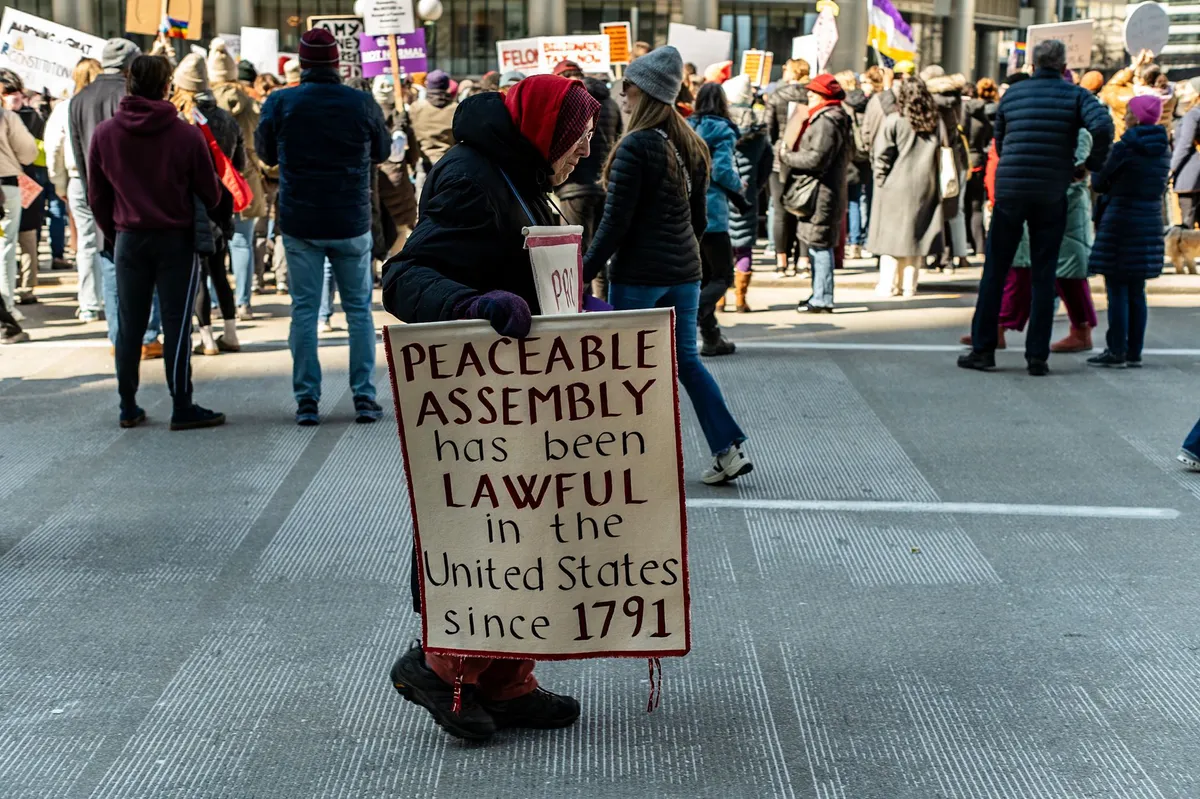
The recent ruling by a Wisconsin appellate panel has reignited a contentious debate over labor rights in the state, particularly concerning public employees' collective bargaining powers. On Wednesday, the panel revived Act 10, a law that significantly restricts the bargaining rights of most public workers, a move that has drawn sharp criticism from labor unions and advocates for workers' rights. The decision underscores the complexities surrounding labor laws in the United States, particularly as they pertain to public sector employees.
Judge Mark Gundrum, writing for the majority, emphasized the court's belief that the legislature had a rational basis for differentiating between public safety employees and general public employees. This distinction has far-reaching implications for the rights of workers in Wisconsin, particularly those who may find themselves on the wrong side of the legislative line drawn by Act 10.

The Background of Act 10
Passed in 2011 during Governor Scott Walker's administration, Act 10 aimed to address what its proponents argued were excessive public sector costs and a need for greater fiscal responsibility. The law limited collective bargaining rights for public employees to base wage increases, effectively stripping away the ability to negotiate for improved working conditions, benefits, and other critical components of employment.
Under Act 10, public employees are classified into two groups: “public safety” employees, which include most firefighters, law enforcement officers, and certain other roles, and “general” employees, which encompass all other public workers. While the former group enjoys relatively robust collective bargaining rights, the latter faces significant restrictions. This bifurcation has been at the center of numerous legal challenges, with critics alleging that it violates the equal protection clause of the Wisconsin Constitution.
The Recent Legal Challenge
In 2023, seven unions filed a lawsuit challenging Act 10, arguing that it unconstitutionally divides public employees based on arbitrary classifications. They contended that the law's provisions discriminated against general public workers while favoring those in public safety roles without legitimate justification.
In 2024, Dane County Circuit Court Judge Jacob Frost sided with the unions, striking down 85 sections of the law that established these classifications and arguing that they violated equal protections under the state constitution. However, the recent ruling from the appellate panel overturned Frost's decision, reinstating the law and affirming the legislature's authority to define employment categories.

Understanding the Court's Reasoning
The appellate panel's decision hinged on the assertion that the legislature had a rational basis for its classifications, a standard that is critical in equal protection cases. Judge Gundrum noted that the existence of a rational basis means that the law can only be deemed unconstitutional if no reasonable justification can be hypothesized for its provisions.
In defending the classifications, the panel pointed to the unique risks and responsibilities associated with public safety jobs. For instance, police officers and firefighters often face dangerous conditions that necessitate specific labor protections to ensure recruitment and retention in these vital roles. The ruling suggested that these factors provided a legitimate rationale for the differentiated treatment of public safety employees under the law.
The Dissenting Opinion
Not all members of the appellate panel were in agreement, however. Judge Lisa Neubauer issued a dissenting opinion, arguing that the legislature must also provide a rational definition of what constitutes public safety roles to meet equal protection standards. She highlighted the exclusion of certain employees—such as conservation wardens and Capitol police—who perform similar duties and face similar risks as those included in the public safety category.
Neubauer's dissent raised important questions about the fairness and consistency of the classifications under Act 10. Her perspective underscores the complexities involved in defining labor rights and the potential for arbitrary distinctions that can unfairly affect certain groups of workers.

The Broader Implications of the Ruling
The revival of Act 10 comes at a time when labor rights across the United States are under scrutiny. Many states have seen similar legislative efforts to limit the power of labor unions and collective bargaining rights in recent years. The outcomes of these legal battles not only impact the specific workers involved but also set important precedents for labor law across the country.
For public employees in Wisconsin and beyond, the implications of this ruling are profound. The restrictions imposed by Act 10 can affect job security, benefits, and working conditions, leading to potential challenges in attracting and retaining qualified personnel in essential public safety roles. Additionally, as similar laws are considered or implemented in other states, Wisconsin's experience will likely inform future discussions on labor rights and legislative authority.
Key Takeaways
- Act 10 Resurrected: A Wisconsin appellate court has revived a law limiting bargaining rights for most public workers.
- Public Safety vs. General Employees: The law creates a distinction that affects the rights of public employees based on their job classification.
- Legal Precedents: This ruling may set significant precedents for labor rights and legislative power across the U.S.
- Ongoing Legal Battles: Act 10 has faced numerous legal challenges but continues to be upheld in the courts.
Frequently Asked Questions
What is Act 10 and why was it created?
Act 10 is a Wisconsin law that was enacted in 2011, aiming to reduce public sector costs by limiting collective bargaining rights of most public employees. It allows only base wage negotiations for general employees while exempting many public safety roles from these restrictions. The law was justified by its proponents as a necessary measure for fiscal responsibility.
How does the ruling affect public employees in Wisconsin?
The appellate court's ruling reinstates the full provisions of Act 10, meaning that most public workers will continue to face significant restrictions on their collective bargaining rights. This could lead to diminished job security and benefits for these employees, impacting their overall working conditions.
What are the implications of this ruling for labor rights in the U.S.?
The ruling may have broader implications beyond Wisconsin, as it reflects ongoing trends in various states to limit labor union powers. The outcome of this case could inform similar legislative efforts and legal challenges across the country, affecting public employee rights nationwide.
Are there any further legal challenges expected regarding Act 10?
While the appellate court's ruling reinstates Act 10, it is possible that further legal challenges may arise, especially given the dissenting opinion that raises questions about the law's classifications. Labor unions and advocates for workers’ rights may continue to pursue legal avenues to contest the law, potentially leading to additional court battles in the future.
This content is general information and not legal advice.
Comments
The Ethical Imperative for Defense Attorneys to Embrace AI
As AI technologies reshape the legal landscape, defense attorneys are urged to responsibly adopt these tools to ensure fair representation in the face of rising prosecutorial use.

Related articles

Popular in Employment Law
- TidalHealth Faces Discrimination Lawsuits Amid Allegations of Retaliation
- Understanding College Football Eligibility: Key Issues and Recent Developments
- Sixth Circuit Ruling on ACA Nondiscrimination: Implications for Nurse Anesthetists
- Understanding Employee Mental Health Obligations in Franchise Workforces
- Court Ruling Defends Journalist in Data Center Defamation Case