Accountability in the Legal System: Prosecutor Removed Over Misconduct Allegations
A county prosecutor has been removed from office following serious allegations of sexual misconduct. This incident raises critical questions about accountability within the legal system and the implications for victims and the judicial process.
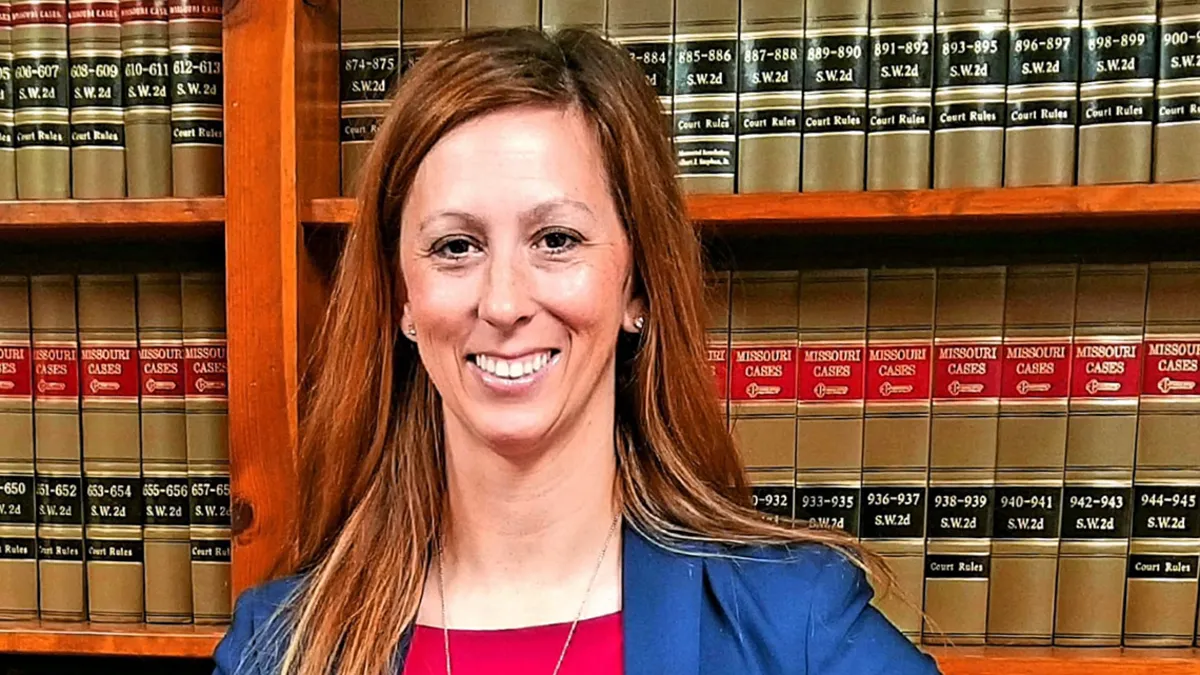
The recent removal of a county prosecutor due to accusations of sexual misconduct has sent shockwaves through the legal community and raised pressing questions about accountability and ethical standards in the judicial system. Such incidents are not merely personal failures; they reflect broader systemic issues that can undermine public trust in law enforcement and the legal profession. In this article, we will examine the circumstances surrounding this case, the implications for victims, and the legal avenues available for those affected by misconduct in the workplace.
The Case at Hand: Overview of Allegations
The prosecutor, who served as the chief legal officer for the county, faced accusations that involved inappropriate conduct within the workplace. While specific details of the allegations remain confidential, the seriousness of the claims prompted the county’s governing body to take immediate action, resulting in the official's removal from office. This swift response underscores the growing intolerance for misconduct in positions of power, particularly in legal roles where trust and integrity are paramount.

The Impact of Misconduct on Victims
Sexual misconduct in the workplace, particularly within the legal system, can have devastating effects on victims. When individuals in positions of authority engage in inappropriate behavior, it not only harms the immediate victims but also creates a chilling effect on others who may witness such actions. Victims may feel reluctant to report misconduct due to fears of retaliation, disbelief, or further victimization.
Understanding the Consequences for Victims
The consequences of workplace misconduct may include:
- Emotional Distress: Victims often experience a range of psychological effects, including anxiety, depression, and feelings of helplessness.
- Career Impacts: Victims may find it challenging to continue in their roles, leading to job loss or career disruptions.
- Stigmatization: Many victims face social stigma, which can further alienate them from their colleagues and community.
These factors highlight the necessity for robust support systems and reporting mechanisms within legal institutions to protect victims and encourage reporting.
Legal Framework Surrounding Misconduct Cases
The legal system has established mechanisms to address allegations of misconduct, including internal investigations, disciplinary actions, and potential criminal charges. In the case of a public prosecutor, the process often involves several key steps:
Investigative Procedures
Upon receiving a complaint, an investigation is typically initiated, which may involve:
- Gathering testimonies from witnesses.
- Reviewing relevant documentation, including emails and performance records.
- Consulting with legal experts to determine the validity of the claims.
Depending on the findings, the prosecutor may face disciplinary actions such as suspension or removal, as seen in the current case. Furthermore, if the allegations are substantiated, criminal charges may also be pursued, leading to potential legal repercussions.
Public Trust and the Role of Accountability
The removal of a prosecutor over misconduct allegations not only addresses the immediate issue but also serves as a crucial reminder of the importance of accountability in the legal system. Public trust in law enforcement and the judiciary hinges on the belief that individuals in powerful positions will be held responsible for their actions. When accountability is lacking, it can lead to a breakdown of trust between the community and the legal system, ultimately impacting the efficacy of law enforcement.
Community Response and Support Systems
The community's response to such incidents is vital. Advocacy groups often play a significant role in supporting victims and raising awareness about misconduct in the legal field. Building robust support systems can empower victims to come forward and seek justice, ensuring that their voices are heard and that appropriate actions are taken against wrongdoers.
Key Takeaways
- Accountability matters: The removal of the prosecutor highlights the importance of maintaining ethical standards in the legal profession.
- Support for victims: Robust support systems are essential for encouraging victims to report misconduct.
- Trust in the system: Public confidence in legal institutions depends on transparency and accountability.
Frequently Asked Questions
What should I do if I experience misconduct in the workplace?
If you experience misconduct, it is important to document the incidents as thoroughly as possible. Gather any evidence, such as emails or messages, and report the behavior to a supervisor or human resources department. If the situation does not improve, consider seeking legal counsel to discuss your options and protect your rights.
How can victims of misconduct find support?
Victims can find support through various channels, including workplace resources, employee assistance programs, and advocacy organizations that specialize in supporting individuals facing harassment or misconduct. These organizations can provide legal advice, counseling, and resources to help victims navigate the complexities of their situations.
What are the legal consequences for a prosecutor accused of misconduct?
The legal consequences for a prosecutor accused of misconduct can range from administrative penalties, such as suspension or removal from office, to criminal charges if the allegations warrant such actions. Each case is unique and depends on the severity of the allegations and the findings of any investigations conducted.
Comments
Sixth Circuit Ruling on ACA Nondiscrimination: Implications for Nurse Anesthetists
The Sixth Circuit Court recently ruled against the American Association of Nurse Anesthesiology in a case challenging discriminatory compensation practices under the Affordable Care Act. This decision raises questions about the enforcement of the ACA's nondiscrimination provisions and its impact on healthcare professionals.

Related articles
Popular in Employment Law
- TidalHealth Faces Discrimination Lawsuits Amid Allegations of Retaliation
- Understanding College Football Eligibility: Key Issues and Recent Developments
- Understanding Employee Mental Health Obligations in Franchise Workforces
- Sixth Circuit Ruling on ACA Nondiscrimination: Implications for Nurse Anesthetists
- Court Ruling Defends Journalist in Data Center Defamation Case