Striking for Justice: NYC Lawyers Advocate for Low-Income Clients
In a bold move, public defenders in NYC have initiated a strike to demand better resources and pay. This action shines light on the challenges faced by low-income clients in the legal system.
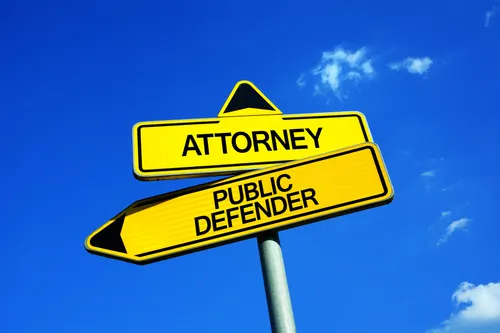
In a significant and unprecedented move, public defenders in New York City have organized a strike aimed at advocating for better working conditions, resources, and compensation for lawyers who represent low-income clients. This action underscores a growing concern among legal professionals regarding the adequacy of support for those who cannot afford private legal representation. The implications of this strike extend beyond just the legal community; they highlight systemic issues within the justice system that affect some of the most vulnerable populations.
The legal landscape in the U.S. is complex, particularly for low-income individuals who rely heavily on public defenders. These legal professionals often face overwhelming caseloads, inadequate funding, and insufficient resources, which can hinder their ability to provide effective representation. As a result, the quality of justice received by low-income clients can be compromised, leading to dire consequences including wrongful convictions, lengthy incarcerations, and an overall lack of faith in the judicial system.
The State of Public Defense in America
Public defense is a crucial part of the American legal system, mandated by the Sixth Amendment, which guarantees the right to counsel. However, the reality of public defense is starkly different from this ideal. Across the country, public defenders are often overburdened by excessive caseloads and insufficient funding. According to the National Association of Criminal Defense Lawyers, in many jurisdictions, public defenders manage upwards of 100 cases at a time, making it nearly impossible to give each case the attention it deserves.
Challenges Facing Public Defenders
Public defenders encounter a variety of challenges that can significantly impact their ability to serve their clients effectively:
- High Caseloads: Many public defenders handle far more cases than recommended, leading to rushed investigations and inadequate preparation.
- Insufficient Funding: Many public defender offices operate on tight budgets, limiting access to necessary resources such as expert witnesses or investigative services.
- Lack of Support Staff: Public defenders often work without the assistance of paralegals or investigators, making case management even more challenging.
- Limited Training: New public defenders frequently lack access to ongoing training, which is crucial for developing skills in an ever-evolving legal landscape.
The Strike: A Call for Change
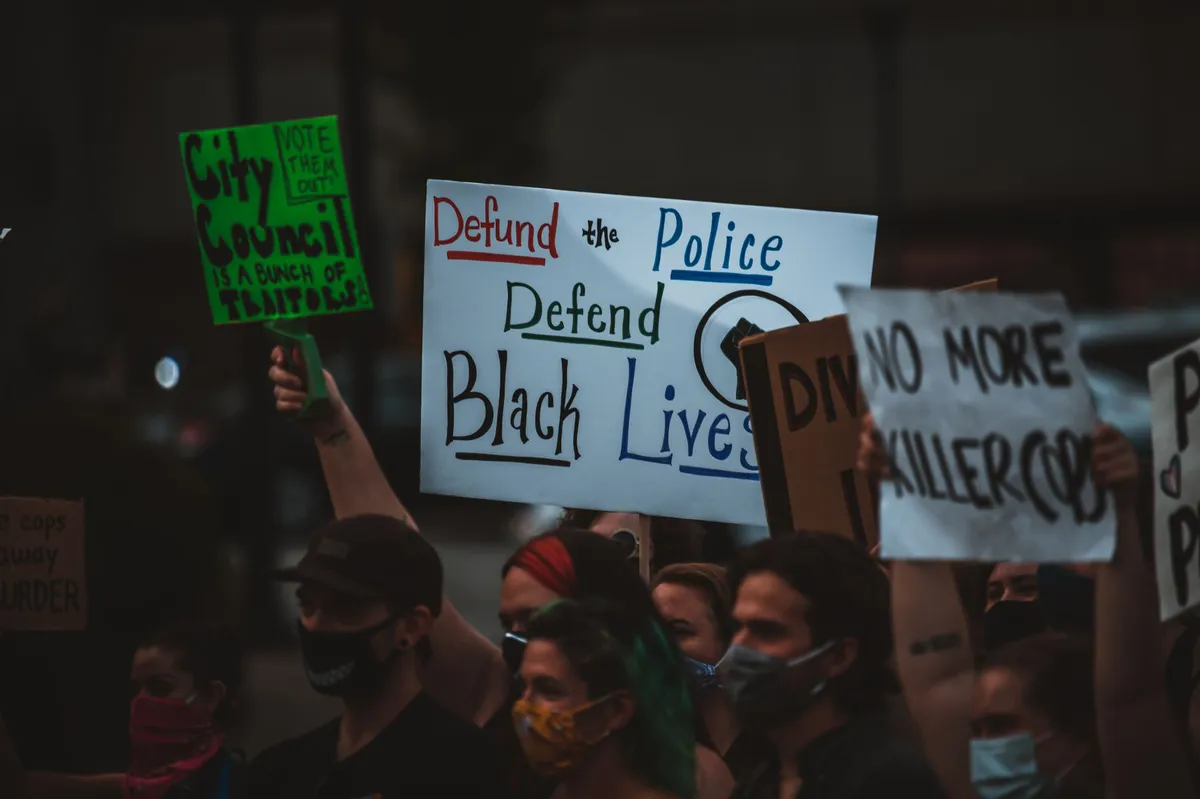
The recent strike organized by public defenders in New York City represents a culmination of years of frustration regarding these systemic issues. Lawyers are demanding better pay, reasonable caseload limits, and increased funding for public defense systems. The strike has garnered attention not only for its boldness but also for the implications it carries for the justice system as a whole.
Public Response and Support
The strike has sparked a conversation among the public and legal professionals, drawing support from various advocacy groups. Many individuals recognize the importance of a robust public defense system and the need for reform. Advocates argue that ensuring public defenders are adequately compensated and supported is not just a matter of fairness for lawyers; it is essential for ensuring justice for low-income clients.
Implications for Low-Income Clients
The outcome of this strike could have far-reaching effects on the legal rights of low-income individuals. If public defenders succeed in their demands, it could lead to:
- Increased Funding: More resources could lead to better representation for clients.
- Lower Caseloads: This would allow public defenders to devote more time and energy to each individual case.
- Improved Training and Resources: Enhanced training programs could better prepare public defenders to handle complex cases.
Looking Ahead: The Future of Public Defense
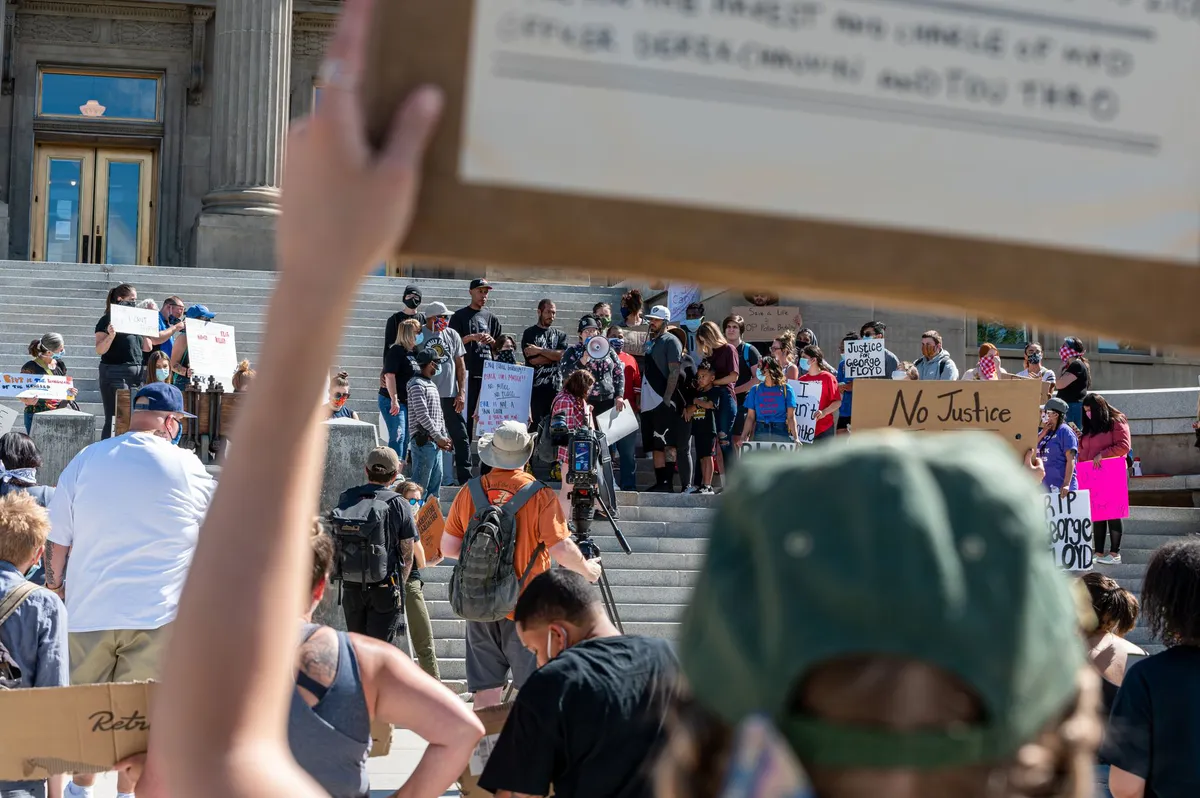
While the strike is a critical moment for public defense in New York City, it also sheds light on a national issue. Many jurisdictions across the United States are grappling with similar challenges, and the outcomes of this strike could serve as a blueprint for reform elsewhere. The conversation around public defense is evolving, and it is crucial for stakeholders, including policymakers, legal professionals, and the general public, to engage in dialogue about the future of justice.
Key Takeaways
- Public defenders in NYC have initiated a strike to demand better working conditions.
- The strike highlights systemic issues within the public defense system affecting low-income clients.
- Outcomes of the strike could lead to increased funding and improved representation for clients.
Frequently Asked Questions
Why are public defenders striking in NYC?
Public defenders in NYC are striking to demand better pay, manageable caseloads, and increased funding for public defense. These demands arise from years of working under challenging conditions that limit their ability to represent low-income clients effectively.
What impact does the strike have on low-income clients?
The strike could have a significant impact on low-income clients, as it aims to improve the overall quality of public defense. If successful, it could lead to more resources being allocated for public defenders, resulting in better representation and outcomes for clients who cannot afford private attorneys.
How does the public defense system affect the justice system?
The public defense system is a fundamental component of the justice system, ensuring that individuals have access to legal representation. When public defenders are overworked and underfunded, it can lead to unjust outcomes, including wrongful convictions and inadequate legal support for those in need.
What can be done to support public defenders?
To support public defenders, individuals can advocate for policy changes that prioritize funding for public defense systems. Additionally, raising awareness through community engagement and supporting organizations that work towards justice reform can help create a more equitable legal landscape.
Disclaimer: The content provided is general information and not legal advice.
Comments
Popular in Employment Law
- TidalHealth Faces Discrimination Lawsuits Amid Allegations of Retaliation
- Understanding College Football Eligibility: Key Issues and Recent Developments
- Understanding Employee Mental Health Obligations in Franchise Workforces
- Sixth Circuit Ruling on ACA Nondiscrimination: Implications for Nurse Anesthetists
- Court Ruling Defends Journalist in Data Center Defamation Case