Court Orders ASU to Reveal Witnesses in First Amendment Case
A federal judge mandates the disclosure of student identities in a pivotal First Amendment case concerning pro-Palestine demonstrations at Arizona State University. This ruling raises significant questions about free speech and campus safety.

The contentious intersection of free speech and campus safety is once again in the spotlight as a federal judge has ruled that Arizona State University (ASU) must disclose the identities of students who reported anti-Semitic incidents related to pro-Palestine demonstrations on campus. The implications of this ruling, made by U.S. District Judge John J. Tuchi, echo far beyond the immediate case, raising critical questions about the balance of First Amendment rights and the protection of students in sensitive political climates.
This decision comes amidst a lawsuit filed by a coalition of students who allege that ASU President Michael Crow retaliated against them for exercising their right to free speech. Their protests, which were held in response to U.S. military aid to Israel, culminated in arrests and subsequent suspensions, igniting a fierce debate about the limits of expression and the university's authority to regulate student conduct.
Background of the Case
The case originated from a protest on April 26, 2024, during which at least 70 students were arrested for allegedly violating ASU's anti-camping policy. These students were reportedly camping out on campus to advocate for Palestinian rights, a move that Crow and university officials claim was against university regulations. The arrests led to significant backlash, with the protesting students arguing that their suspension was a direct response to their political speech.
Judge Tuchi's ruling allows the plaintiffs to call as witnesses those students who expressed concerns about anti-Semitism to the university via email. The judge indicated that these students might provide critical insights into the climate of fear and intimidation that could deter others from voicing similar concerns. However, the identities of complainants who reported incidents prior to the protest were deemed irrelevant to the case.
Implications of the Ruling
This ruling not only affects the students involved but also sets a precedent regarding how universities handle complaints about safety and discrimination in politically charged environments. The decision underscores the tension between protecting free speech and ensuring a safe campus for all students.
Retaliation and Free Speech
The students' claims of retaliation hinge on the assertion that Crow's actions were influenced by their political speech. This raises significant legal questions: Can universities enforce policies that may disproportionately affect the expression of certain viewpoints? How do we reconcile the need for campus safety with the rights of students to protest and speak out on political issues?
In this case, the plaintiffs argue that their suspensions were not merely disciplinary actions but were motivated by a desire to silence dissenting opinions. Crow, however, maintains that his decisions were based solely on the enforcement of university policies, denying any connection to the students' political expression.
Legal Precedents and Standards
The First Amendment guarantees the right to free speech, including on college campuses, where students are often at the forefront of social and political movements. The courts have historically upheld this right, but they also recognize that universities have the authority to maintain order and safety on their campuses.
In cases involving free speech, courts often apply a balancing test to weigh the rights of individuals against the interests of the institution. This involves considering whether the speech in question incites violence or poses a threat to the safety of others. Here, the judge's acknowledgment of the potential chilling effect on students who wish to report incidents of bias or discrimination highlights the need for universities to create environments where all voices can be heard without fear of retaliation.
- Free Speech Rights: The First Amendment protects students' rights to express their political views.
- Campus Safety: Universities must balance free speech with their obligation to maintain a safe learning environment.
- Legal Standards: Courts evaluate both the nature of the speech and the context in which it occurs when making rulings.

Responses from the University and Legal Counsel
The university's legal counsel has argued that the identities of the students who complained about anti-Semitism are irrelevant to the case. Austin Yost, representing ASU, contended that President Crow's decisions were based on his observations rather than student complaints. This defense raises questions about the university's responsibility to address student concerns and whether administrative decisions can be insulated from the implications of those complaints.
During the proceedings, the plaintiffs' attorney, Michael Yancy, contended that requiring the disclosure of students' identities could discourage future reports of discrimination and bias, potentially undermining the university's ability to create a safe and inclusive environment. This concern is particularly pertinent in light of the heightened tensions surrounding the Israel-Palestine issue, which has elicited strong emotions and divergent viewpoints among students.
Discovery Issues and Privacy Concerns
In addition to witness identities, the case also involves contentious discovery requests. The Arizona Board of Regents has sought access to the plaintiffs' social media activity and mental health records, arguing that these could provide insights into the students' motivations and credibility.
Yancy has countered that such requests infringe upon the plaintiffs' First Amendment rights and privacy concerns. The legal debate centers on whether the plaintiffs' mental health claims justify invasive scrutiny of their personal records, a point that Judge Tuchi has yet to resolve.
This aspect of the case raises critical questions about the boundaries of personal privacy in legal disputes, particularly in cases involving emotional distress claims. The plaintiffs argue that their emotional suffering is common and should not require extensive documentation, while the defense claims that revealing their mental health history is necessary to assess the validity of their claims.

Key Takeaways
- Judicial Ruling: A federal judge has ordered ASU to disclose the identities of students who reported anti-Semitism related to protests.
- First Amendment Issues: The case raises important questions about free speech rights and the potential for retaliation against students expressing their views.
- Discovery Disputes: Ongoing legal battles over the relevance of personal records and social media activity highlight privacy concerns in litigation.

Frequently Asked Questions
What are the main legal issues in this case?
The primary legal issues in this case revolve around First Amendment rights, particularly the right to free speech on college campuses. The lawsuit alleges that ASU retaliated against students for expressing their political views, raising questions about whether the university's actions were justified or constituted viewpoint discrimination. Additionally, the case touches on privacy rights regarding the disclosure of students' identities and personal records.
What could be the consequences of disclosing student identities?
Disclosing the identities of students who reported anti-Semitism could have several consequences. It may deter other students from coming forward with their own complaints about discrimination or bias, fearing retaliation or social ostracization. Furthermore, it sets a precedent for how universities handle sensitive issues related to free speech and safety, potentially influencing future cases involving student protests and complaints.
How does this case impact future student protests?
The outcome of this case could have significant implications for future student protests on college campuses. A ruling in favor of the plaintiffs may encourage students to exercise their free speech rights more freely, knowing that they have legal protections against retaliation. Conversely, if the university's actions are upheld, it may create a chilling effect, leading to fewer students participating in protests for fear of disciplinary action.
What are the next steps in the legal process?
The legal process will continue as the court addresses outstanding issues, including the discovery disputes related to social media activity and mental health records. Judge Tuchi has yet to rule on these matters, which will be crucial in determining the scope of the case and the evidence that will be admissible at trial. The case will likely proceed to trial if a settlement is not reached, and the outcomes will be closely watched by both legal experts and student advocacy groups.
Disclaimer: This content is general information and not legal advice.
Comments
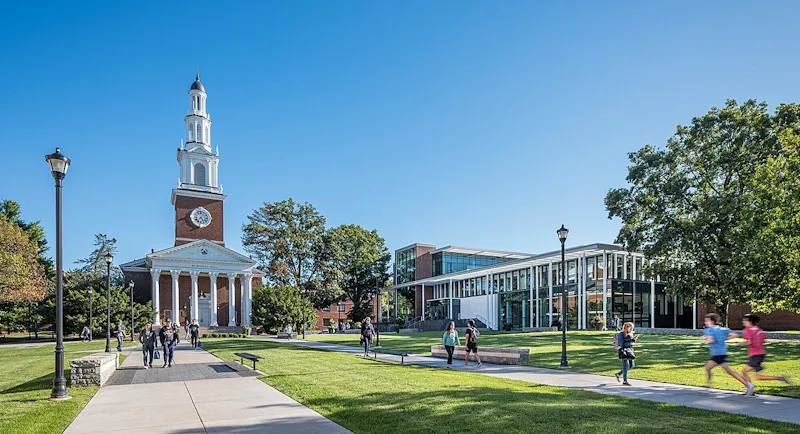
Controversy at the University of Kentucky: Law Professor Challenges New Dean
A suspended law professor at the University of Kentucky is taking legal steps to challenge the appointment of the incoming dean, raising questions about academic governance and faculty rights.
Related articles
Popular in Employment Law
- TidalHealth Faces Discrimination Lawsuits Amid Allegations of Retaliation
- Understanding College Football Eligibility: Key Issues and Recent Developments
- Sixth Circuit Ruling on ACA Nondiscrimination: Implications for Nurse Anesthetists
- Understanding Employee Mental Health Obligations in Franchise Workforces
- Court Ruling Defends Journalist in Data Center Defamation Case