College Athletes Challenge NCAA Rule Change in Court
Recent changes in NCAA regulations have prompted college athletes to take legal action. This article explores the implications of these changes and what it means for student-athletes across the nation.
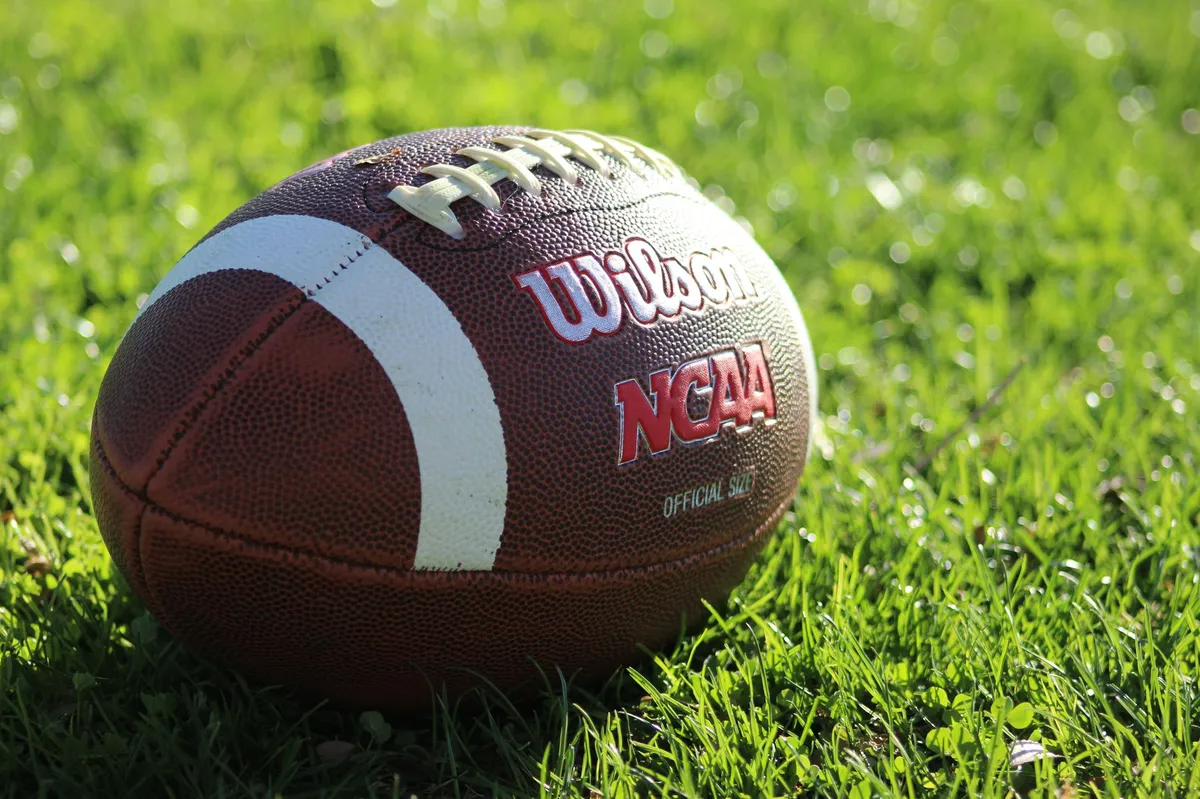
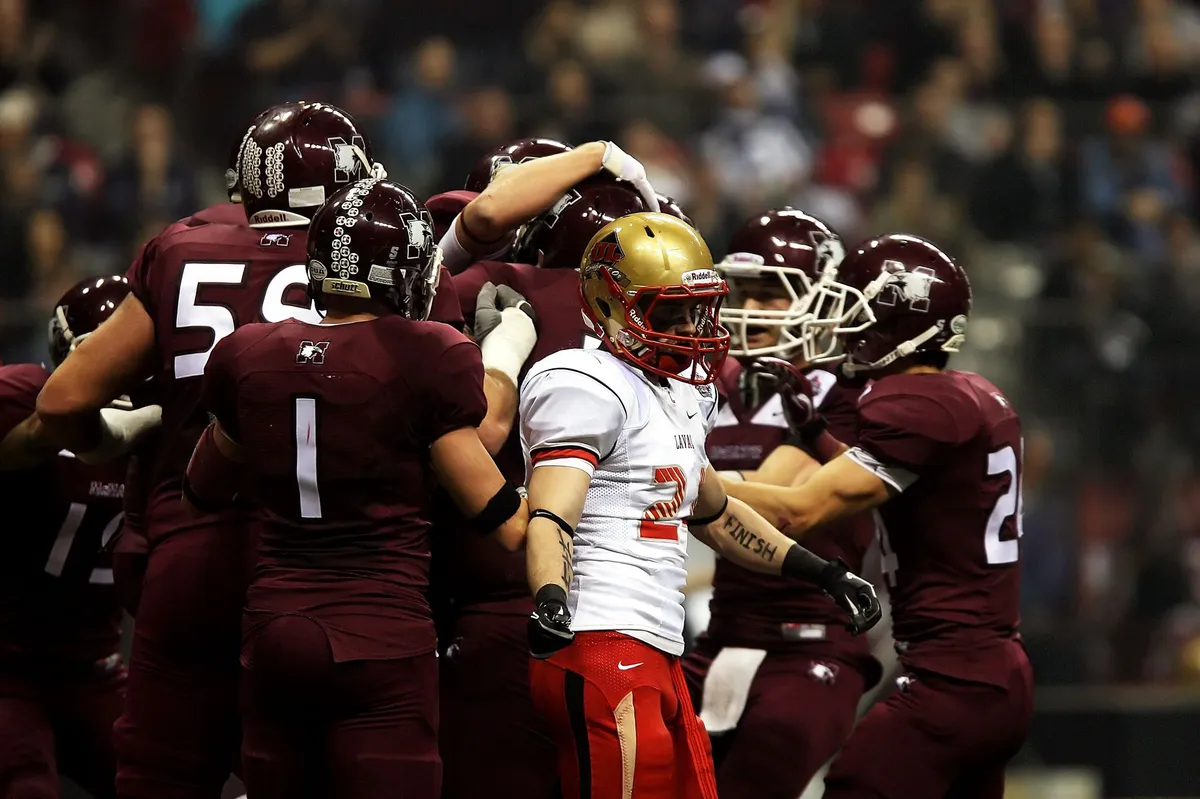
In a groundbreaking move that could reshape the landscape of college athletics, a group of college athletes has initiated legal proceedings against the NCAA following recent changes to its regulations. This development raises critical questions about the rights of student-athletes, the governance of college sports, and the broader implications for the NCAA's authority. As the case unfolds, both athletes and legal experts are closely watching its ramifications for the future of college sports.
The NCAA, or National Collegiate Athletic Association, oversees the rules and regulations governing college athletics in the United States. Recently, it implemented a set of changes aimed at addressing the growing concerns related to athlete compensation and welfare. However, these changes have not been received without controversy, leading to this legal challenge that pits student-athletes against the organization that has long held significant control over their lives and careers.
The Context of NCAA Regulation Changes
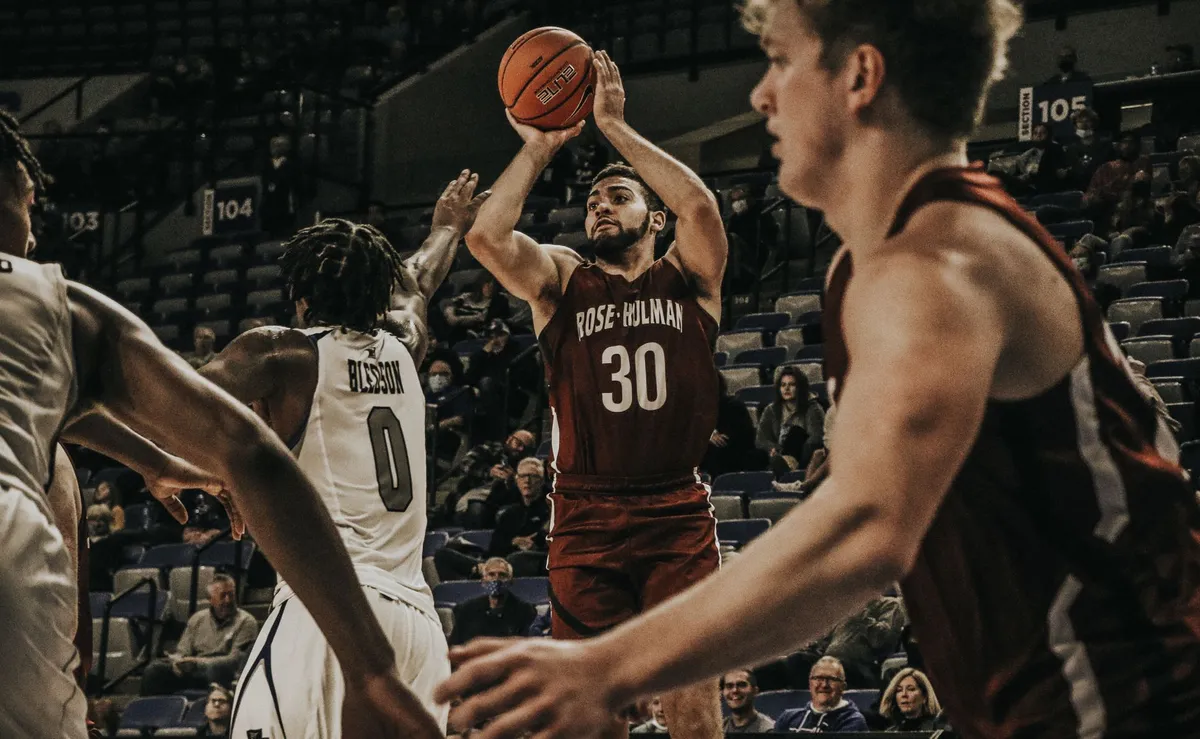
Understanding the current legal battle requires a look back at the historical context of NCAA regulations. For decades, the NCAA has maintained strict guidelines that prevent college athletes from profiting off their name, image, and likeness (NIL). This restriction has been a point of contention, especially as the landscape of college sports has evolved, with increasing scrutiny on the treatment of athletes.
In 2021, the NCAA finally made a significant shift by allowing athletes to profit from their NIL. This move was largely seen as a response to pressure from lawmakers and public opinion, which had begun to favor increased rights and compensation for student-athletes. However, the changes have been met with mixed reactions. While some athletes have embraced the opportunity to monetize their talents, others argue that the NCAA's new regulations do not go far enough to ensure equitable treatment.
The Lawsuit: Key Details and Implications
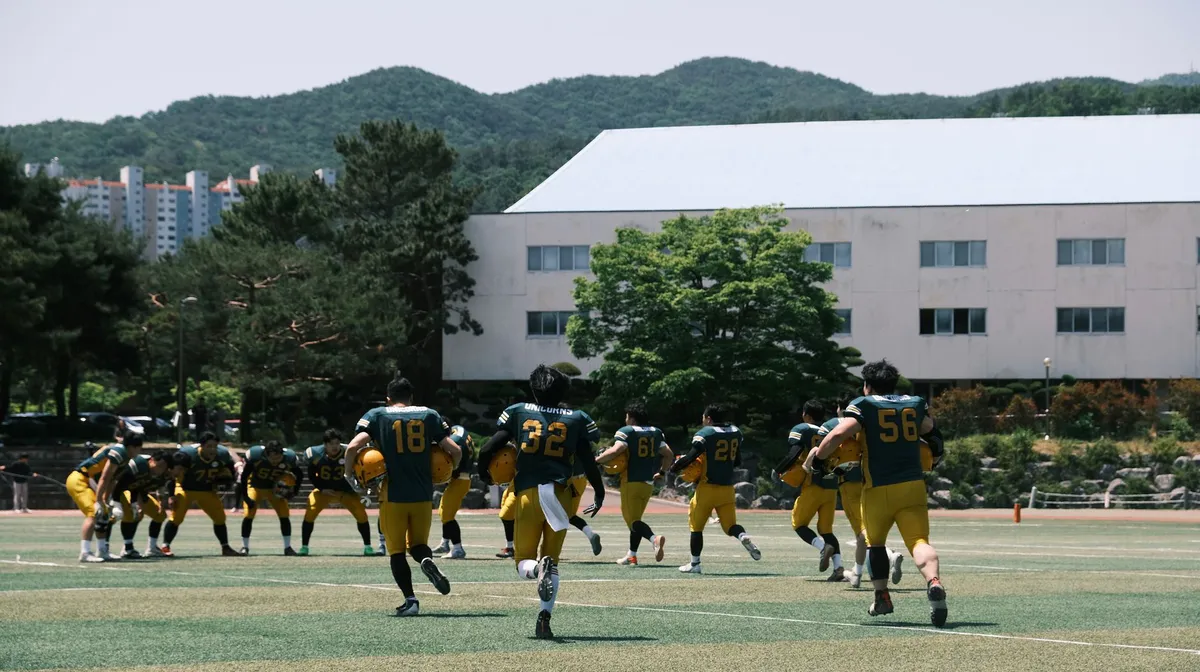
The lawsuit, filed by a coalition of athletes from various sports, specifically targets the NCAA's recent rule changes. The plaintiffs argue that the new regulations are insufficient and do not adequately safeguard their rights or provide fair compensation for their contributions to the NCAA's revenue-generating activities. The legal team representing the athletes contends that the NCAA has historically exploited athletes for profit without adequate compensation or support.
Key elements of the lawsuit include:
- Inadequate Compensation: Athletes claim that the new NIL rules still do not allow them to fully capitalize on their market value.
- Health and Safety Concerns: The lawsuit raises issues regarding the lack of support for athletes’ health and well-being, which is often compromised in pursuit of athletic success.
- Fair Treatment: The plaintiffs argue for more equitable treatment and opportunities within the NCAA framework.
Who Is Affected by the Legal Action?
The implications of this lawsuit extend far beyond the individual athletes involved. If successful, the legal action could set a precedent for how college athletes are treated under NCAA regulations, potentially leading to more substantial reforms across the organization. This case could significantly impact:
- Current Student-Athletes: The outcome may directly influence their rights and opportunities for compensation.
- Future Generations of Athletes: A favorable ruling could pave the way for enhanced protections and rights for incoming athletes.
- Universities and Colleges: Institutions may need to reassess their compliance with NCAA regulations and how they support their athletes.
The Broader Impact on College Sports
The legal challenge against the NCAA reflects a growing movement among student-athletes demanding greater rights and protections. As public sentiment shifts toward recognizing the contributions of college athletes to the lucrative sports industry, the pressure on the NCAA to adapt its policies will likely intensify. The potential outcomes of this lawsuit could have lasting effects on the structure and governance of college sports.
Furthermore, this case highlights the need for a comprehensive reevaluation of how college athletics are managed. Advocates argue that a more equitable system must be established to ensure that athletes are not just seen as tools for profit, but as individuals deserving of fair compensation and support.
Key Takeaways
- Legal Battle:** College athletes are challenging the NCAA’s recent regulatory changes in court.
- Potential Reforms: A successful lawsuit could lead to significant reforms in athlete rights and compensation.
- Broader Implications: The outcome may affect current and future student-athletes, as well as universities.
Frequently Asked Questions
What are the main arguments in the lawsuit against the NCAA?
The lawsuit primarily argues that the NCAA's recent rule changes regarding name, image, and likeness do not adequately compensate athletes for their contributions. The plaintiffs assert that the NCAA has historically profited from athletes without providing them with fair opportunities for financial gain and support, which they claim violates their rights.
How could this lawsuit impact future college athletes?
If the lawsuit is successful, it could lead to enhanced rights and protections for future college athletes. This may include greater opportunities for financial compensation and improved support systems within the NCAA framework, fundamentally altering the landscape of college athletics.
What does this mean for universities and colleges?
Colleges and universities may need to reevaluate their policies and procedures regarding athlete compensation and support. A favorable ruling for the plaintiffs could necessitate significant changes in how institutions manage their athletic programs and comply with NCAA regulations, potentially leading to a more equitable environment for student-athletes.
Comments
Court Ruling Empowers Disabled Lawyers to Work Remotely
A recent ruling mandates the Department of Justice to accommodate disabled attorneys by allowing them to telework. This decision could reshape the workplace landscape for legal professionals with disabilities.
Related articles
Popular in Employment Law
- TidalHealth Faces Discrimination Lawsuits Amid Allegations of Retaliation
- Understanding College Football Eligibility: Key Issues and Recent Developments
- Sixth Circuit Ruling on ACA Nondiscrimination: Implications for Nurse Anesthetists
- Understanding Employee Mental Health Obligations in Franchise Workforces
- Court Ruling Defends Journalist in Data Center Defamation Case