Illinois Worker Freedom of Speech Act Faces Legal Scrutiny
The Seventh Circuit's skepticism about the enforcement of Illinois' Worker Freedom of Speech Act raises significant questions about labor rights and workplace regulations. As legal challenges unfold, stakeholders must consider the implications for workers and employers alike.

The legal landscape surrounding employee rights and workplace regulations is increasingly complex, particularly in states like Illinois where new laws are being challenged in court. The Seventh Circuit Court recently heard a case concerning the Worker Freedom of Speech Act, which prohibits so-called "captive audience" meetings—mandatory gatherings during work hours that can discourage labor organizing. As stakeholders await a ruling, the case raises critical questions about enforcement authority and the rights of workers in the face of increasing corporate influence.
Passed in 2024, the Worker Freedom of Speech Act aims to protect employees from being coerced into attending meetings that may undermine their rights to organize or discuss labor-related issues. Proponents argue that such legislation is essential for fostering a healthy workplace environment, while opponents see it as an infringement on employers' rights to communicate with their employees. This legal challenge, filed by a local trade association and a think tank, has now reached the Seventh Circuit, where judges expressed skepticism about the viability of the plaintiffs' case.
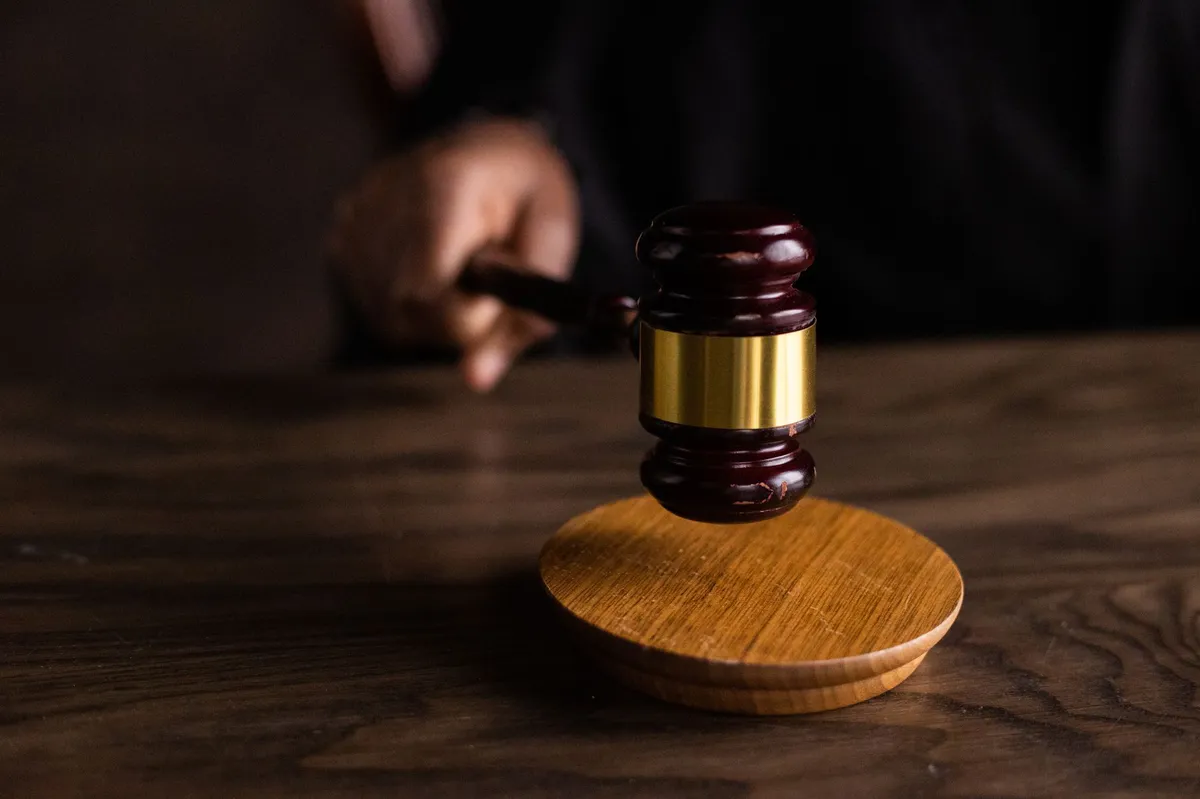
Understanding the Worker Freedom of Speech Act
The Worker Freedom of Speech Act has been a focal point of debate in Illinois, particularly as it attempts to navigate the intersection of employee rights and employer interests. Under this law, employers are prohibited from holding mandatory meetings in which they may express anti-union sentiments or discourage labor organizing. The intention behind this legislation is to ensure that employees can make informed decisions regarding their rights without fear of retaliation or coercion.
However, the law's enforcement mechanisms are under scrutiny. When the Illinois Department of Labor Director, Jane Flanagan, was named in the lawsuit as the entity responsible for enforcing the law, the plaintiffs argued that she had the necessary authority. In contrast, both the defense and judges raised questions about whether such authority exists, leading to a deeper exploration of the law's implications.
Key Legal Arguments
The crux of the legal challenge lies in the interpretation of enforcement authority. Plaintiffs’ attorney, Jeffrey Schwab, contended that the law grants Flanagan concrete enforcement powers. However, the three-judge panel, including U.S. Circuit Judge Frank Easterbrook, probed Schwab on the specifics of this authority. Judge Easterbrook pointed out that Illinois case law dictates that enforcement power must be explicitly granted by statute, a point that the plaintiffs struggled to substantiate.
The Nature of the Challenge
As the legal proceedings unfolded, the judges pressed the plaintiffs on the nature of their claims. One of the key points of contention was whether any workers had actually refused to attend a captive audience meeting, which would be necessary to illustrate the law's enforcement in action. Schwab’s admission that no such incidents had occurred raised concerns about the practicality of the lawsuit, with Easterbrook suggesting it resembled "pre-enforcement litigation," relying on a multitude of hypotheticals rather than established injuries.
Assistant Attorney General Sam Horan echoed these sentiments, emphasizing that the ambiguity surrounding the law renders the lawsuit unripe for federal adjudication. He argued that without clear mechanisms for enforcement or defined injuries, the case should not proceed in a federal court.

Implications for Labor Relations
The outcome of this case could have far-reaching implications for labor relations not only in Illinois but potentially across the United States. If the law is upheld and enforcement mechanisms are clarified, it may embolden other states to adopt similar legislation aimed at protecting worker rights against coercive employer practices. Conversely, if the court dismisses the case due to lack of standing or enforcement authority, it could deter future legislative efforts aimed at enhancing worker protections.
For employers, the stakes are equally high. The ability to communicate openly with employees about workplace policies and company direction is crucial, yet it must be balanced with respect for workers’ rights. A ruling in favor of the law might limit employers' capacity to engage with their workforce on sensitive issues, while a dismissal could pave the way for more aggressive anti-union tactics.
Stakeholder Reactions
Reactions to the ongoing legal challenge have varied widely among stakeholders. Labor unions have expressed support for the Worker Freedom of Speech Act, viewing it as a necessary measure to ensure that workers are not subjected to undue influence during their decision-making processes. On the other hand, employer associations and certain business groups have criticized the law, arguing that it infringes on their rights to communicate with employees and could lead to confusion regarding compliance.
- Worker Protection: The Act is designed to safeguard employees' rights to organize without coercion.
- Legal Ambiguity: The lack of clear enforcement mechanisms raises questions about the law's practical application.
- Potential Impact: The case outcome could influence similar legislation in other states.
- Business Concerns: Employers worry about limitations on communication with employees.

Next Steps in the Legal Proceedings
The Seventh Circuit panel has yet to issue a ruling on the case, leaving both plaintiffs and defendants in a state of uncertainty. The judges did not provide a timeline for their decision, but their skeptical questioning indicates that they may lean toward a cautious approach to interpreting the law.
As the legal battle continues, it is essential for both workers and employers to stay informed about developments in this case. Understanding the implications of the Worker Freedom of Speech Act and its enforcement will be critical in navigating the evolving landscape of labor relations in Illinois and beyond.
Key Takeaways
- The Worker Freedom of Speech Act aims to protect employees from coercive workplace meetings.
- Legal challenges are focusing on the law's enforcement mechanisms and ambiguity.
- Outcomes could influence labor relations and similar legislation nationwide.
- Employers must balance communication with compliance to the law.
Frequently Asked Questions
What is the Worker Freedom of Speech Act?
The Worker Freedom of Speech Act is an Illinois law enacted in 2024 that prohibits mandatory meetings where employers might discourage labor organizing. Its aim is to enhance employee rights and protect them from coercive practices that could influence their ability to unionize.
Why is the case being heard in the Seventh Circuit?
The case is being heard in the Seventh Circuit because it involves a challenge to state legislation that raises federal constitutional questions, particularly concerning the First Amendment. The plaintiffs are arguing that the law infringes upon their rights to free speech, leading to the legal proceedings in a federal appellate court.
What are the potential implications if the law is upheld?
If the Worker Freedom of Speech Act is upheld, it could pave the way for more robust protections for workers against employer coercion during labor organizing efforts. This might encourage similar legislative initiatives in other states, promoting a shift toward stronger worker rights across the country.
What happens if the case is dismissed?
Should the case be dismissed, it could signal to employers that they are free to conduct meetings without fear of legal repercussions under this particular statute. This might embolden businesses to adopt more aggressive stances against labor organizing, potentially leading to a decline in union representation and employee rights.
Disclaimer: This content is general information and not legal advice.
Comments
The Legal Battle Over Maurene Comey's Firing: Politics and Justice at Odds
Maurene Comey, daughter of former FBI Director James Comey, sues the Trump administration over her alleged politically motivated firing from the DOJ. The case raises critical questions about civil service protections and political bias.
Related articles
Popular in Employment Law
- TidalHealth Faces Discrimination Lawsuits Amid Allegations of Retaliation
- Understanding College Football Eligibility: Key Issues and Recent Developments
- Sixth Circuit Ruling on ACA Nondiscrimination: Implications for Nurse Anesthetists
- Understanding Employee Mental Health Obligations in Franchise Workforces
- Court Ruling Defends Journalist in Data Center Defamation Case