Former Judge's License Preserved After Controversial ICE Case
A former judge's law license remains intact following scrutiny for aiding a man in avoiding ICE deportation. This case raises questions about judicial ethics and immigration law.
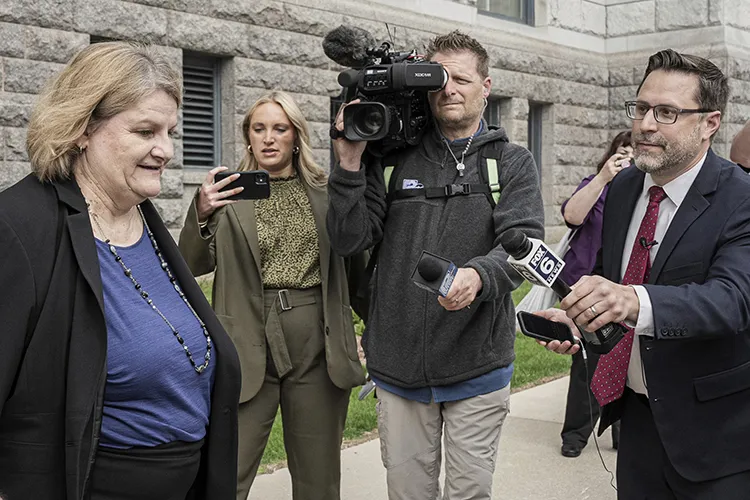
The intersection of judicial authority and immigration enforcement took center stage when a former judge, Hannah Dugan, faced scrutiny for her involvement in a controversial case that allowed a man to avoid deportation by Immigration and Customs Enforcement (ICE). The legal community and observers were divided, with some arguing that her actions were a necessary defense of human rights, while others viewed them as a breach of judicial ethics. In the end, Dugan's law license remains intact, raising fundamental questions about the role of judges in immigration enforcement and the broader implications for the legal system.
In 2023, Dugan was accused of abusing her position to facilitate a stay of removal for a man who was facing deportation after being detained by ICE. The situation escalated when it was revealed that she had purportedly used her judicial influence to intervene on the man's behalf, which led to significant public outcry. Critics argued that her actions undermined the rule of law and set a dangerous precedent for judicial conduct. Yet, supporters claimed she was acting out of compassion and a commitment to justice.
The Role of Judges in Immigration Cases
Judges play a crucial role in the immigration process, often serving as the final arbiter in cases where individuals seek asylum or contest deportation orders. Their decisions can significantly impact the lives of those involved, making judicial integrity paramount. The actions of judges in such scenarios must balance the enforcement of immigration laws with the protection of individual rights. This delicate balance is at the heart of the debate surrounding Dugan's case.
Judicial Ethics and Responsibilities
Judicial ethics are grounded in the principles of impartiality, integrity, and accountability. Judges are expected to uphold the law without favoritism or prejudice, and any deviation from these standards can lead to severe consequences, including disbarment. The American Bar Association (ABA) outlines specific ethical guidelines that judges must follow, which include avoiding conflicts of interest and maintaining the public's confidence in the judiciary. Dugan's case has prompted a reevaluation of these ethical responsibilities, particularly in light of the increasing politicization of immigration issues.
The Aftermath of the Controversy
After a thorough investigation, the state bar association determined that Dugan's actions, while controversial, did not warrant the revocation of her law license. This decision has sparked debate across legal forums, with many questioning whether her conduct was a reflection of a broader trend among judges who feel compelled to act in the face of perceived injustices within the immigration system.
- The balance between judicial independence and ethical obligations is more crucial than ever in the current political climate.
- Judges are increasingly facing pressure to take a stand on contentious issues, which can lead to conflicts with their ethical duties.
- The public's perception of the judiciary may shift as more judges adopt activist roles in controversial cases.

Legal Precedents and Future Implications
Dugan's case may set a legal precedent that could influence future cases involving immigration and judicial intervention. As courts grapple with the complexities of immigration law, the actions of judges like Dugan will likely be scrutinized closely. The implications extend beyond individual cases, as they may shape the framework within which judges operate in immigration matters.
Impact on Immigration Law
The U.S. immigration system is already fraught with challenges, and controversial cases like Dugan's could lead to further complications. The potential for judicial intervention in deportation cases raises questions about the limits of judicial power and the boundaries of the law. As immigration policies continue to evolve, so too must the legal interpretations surrounding them, which may lead to an increased number of cases that test the limits of judicial authority.

Key Takeaways
- Judicial ethics are critical in maintaining public trust in the legal system.
- The balance between enforcing immigration laws and protecting individual rights is increasingly contentious.
- Future cases may be influenced by the outcome of Dugan's controversial actions.
Frequently Asked Questions
What are the ethical responsibilities of judges in immigration cases?
Judges are expected to maintain impartiality and uphold the law while ensuring that individual rights are protected. In immigration cases, this means carefully considering the facts and legal arguments presented while adhering to ethical guidelines set forth by legal authorities. Any perceived bias or favoritism can lead to serious implications for the judge's career and the integrity of the judicial system.
Why did Dugan's law license remain intact despite the controversy?
The state bar association concluded that while Dugan's actions were controversial, they did not constitute a breach of ethical standards that would warrant disbarment. The decision reflects a nuanced understanding of the complexities involved in immigration law and the role of judges in addressing potential injustices. As a result, Dugan can continue to practice law, although her actions will likely remain a topic of debate.
How might this case affect future immigration rulings?
Dugan's case could influence how judges approach immigration cases in the future. As legal precedent is set, other judges may feel empowered to take similar actions or may exercise caution to avoid the scrutiny that Dugan faced. The implications may extend beyond individual rulings, impacting public perception of the judiciary and the legitimacy of immigration enforcement.
Comments
Tricia W. Magee: A Beacon of Leadership in North Carolina's Legal Landscape
Tricia W. Magee, a partner at Shumaker, has been recognized as one of North Carolina's 50 Most Influential Women for her exceptional legal acumen and community commitment. With over two decades of experience, her impact extends beyond the courtroom to mentorship and leadership roles across various organizations.

Related articles
Popular in Employment Law
- TidalHealth Faces Discrimination Lawsuits Amid Allegations of Retaliation
- Understanding College Football Eligibility: Key Issues and Recent Developments
- Sixth Circuit Ruling on ACA Nondiscrimination: Implications for Nurse Anesthetists
- Understanding Employee Mental Health Obligations in Franchise Workforces
- Court Ruling Defends Journalist in Data Center Defamation Case