Understanding Washington's Independent Contractor Rules and Liability Risks
Washington State's unique independent contractor laws can leave carriers vulnerable to liability in crash claims. This article delves into the implications of these regulations and what they mean for businesses relying on contractor labor.
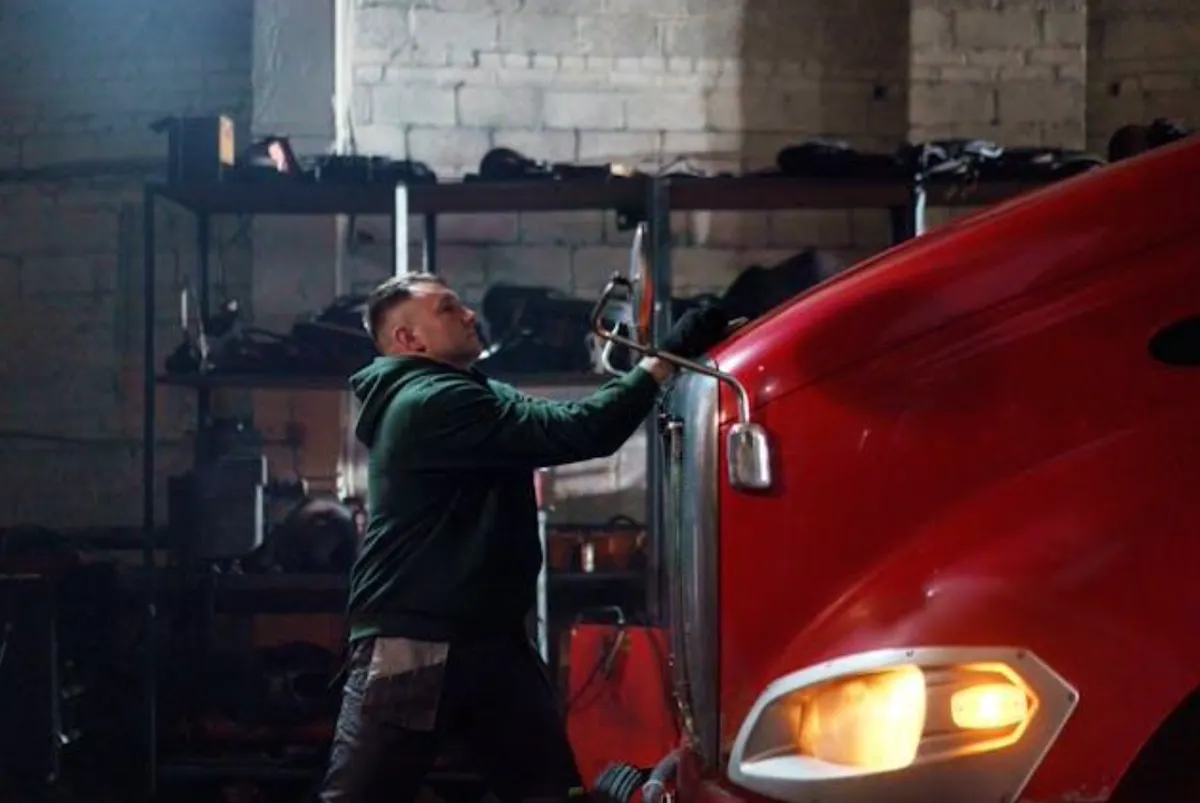
In the landscape of U.S. labor law, few areas are as complex and consequential as the classification of workers as independent contractors versus employees. This distinction carries significant implications, particularly in Washington State, where the legal framework governing these classifications has evolved into a labyrinth of rules and regulations. For trucking companies and businesses relying on contractor labor, understanding these nuances is not just a matter of compliance; it’s crucial for mitigating liability in the event of accidents and injuries.
As federal labor classification policies shift, many Washington carriers mistakenly believe they are shielded from liability simply because they classify their drivers as independent contractors. However, the reality is that the state’s legal landscape does not align neatly with federal guidelines. This article aims to clarify how Washington’s independent contractor rules impact liability in crash claims, the critical tests for classification, and the importance of maintaining thorough documentation to protect against potential liabilities.

The Evolution of Federal and State Labor Classification
In recent years, the federal government has made several adjustments to its stance on independent contractor classification, largely favoring employers. Most notably, the U.S. Department of Labor’s Wage and Hour Division issued Field Assistance Bulletin 2025-1 in May 2025, which directed investigators to revert to the older economic reality framework for determining worker classification. This shift has been interpreted by many Washington businesses as a form of relief from stringent worker classification tests. However, the situation is more nuanced in Washington.
While federal guidelines may change, Washington operates under its own set of rules that can differ drastically from federal interpretations. The state employs various tests for worker classification, leading to potential inconsistencies in outcomes. The landmark case of Anfinson v. FedEx Ground Package System, Inc., decided by the Washington Supreme Court in 2012, illustrates this complexity. In Anfinson, delivery drivers challenged their classification, arguing for employee status under the Minimum Wage Act. The case highlighted the importance of the economic dependence test for wage claims but did not extend this definition to tort liability claims, which still hinge on the common law right-to-control standard.

Understanding the Right-to-Control Standard
Under Washington law, particularly as articulated in the Kamla v. Space Needle Corp. decision, the right-to-control test is crucial for determining tort liability. This standard stipulates that a hiring entity must have retained a right to direct how the work is performed. It is not sufficient for a company merely to have the ability to stop work or inspect progress; it must actively participate in the method of execution.
This means that a trucking company might classify its drivers as independent contractors for wage purposes yet still be liable in negligence claims if it is found to have exercised significant control over the driver's actions. This duality creates a precarious situation where the same set of facts could lead to different legal outcomes depending on the context of the claim.

The Implications of Misclassification
For workers, the misclassification as independent contractors can lead to severe repercussions including denied workers’ compensation claims and lost wages. In Washington, where the legal definitions diverge depending on the context, the implications are significant not only for workers but also for carriers. If a driver is injured and classified incorrectly, they may lose access to critical benefits and reparations.
The potential financial ramifications for trucking companies can be substantial. In Washington, the minimum insurance requirements for commercial carriers vary greatly depending on the type of cargo being transported, ranging from $750,000 to $5 million. Conversely, many owner-operators may only carry policies that are insufficient to cover the costs associated with a single catastrophic injury. This disparity highlights the importance of establishing clear employer-employee relationships to ensure adequate coverage in the event of an accident.
Documenting Control: A Necessary Practice
The preservation of detailed records is essential for companies operating in Washington—especially those using independent contractors. Effective documentation can be pivotal in determining the nature of the employment relationship during legal proceedings. Dispatch records, telematics data, hours-of-service logs, and onboarding materials can all serve as evidence of the level of control exercised by the carrier over its drivers.
- Dispatch Records: Show whether loads were assigned or chosen by the driver.
- Telematics Data: Indicates if routes were prescribed by the company.
- Hours-of-Service Logs: Reveal who set the driving schedule.
- Training Materials: Demonstrate whether the carrier instructed the driver on operational methods.
This evidence is particularly critical in Washington, where the law mandates carriers to maintain records that demonstrate compliance with both state and federal regulations. Carriers arguing that they exercise no meaningful control must reconcile these claims with the documentation they are required to produce.

Future Considerations and Best Practices
As federal regulations continue to evolve, Washington businesses must remain vigilant and adaptable. While the recent federal enforcement posture may appear relaxed, it does not affect Washington's agency law or the state's comparative fault regime. The implications of misclassification and liability remain a pressing concern for businesses that rely on contractor labor.
It is vital for carriers to conduct regular assessments of their classification practices and to ensure that their compliance teams are aligned with their legal strategies. Understanding the nuances of both wage and tort liability is necessary for navigating this complex regulatory environment effectively. The creation of a cohesive strategy that considers both operational practices and legal obligations is essential for minimizing risk and ensuring compliance.
Key Takeaways
- Washington employs multiple classification tests that can lead to differing outcomes for independent contractors.
- Liability for tort claims hinges on the right-to-control standard, which differs from wage classification tests.
- Meticulous documentation of driver management and control is essential to defend against liability claims.
- Carriers must understand the implications of misclassification to avoid financial and legal repercussions.
- Regular assessments and alignment of compliance and legal strategies are crucial for minimizing risks.
Frequently Asked Questions
What is the significance of the Anfinson case in Washington's labor laws?
The Anfinson case established the economic dependence test as the governing standard for wage claims under the Minimum Wage Act in Washington. However, it clarified that this test does not extend to tort liability, which is determined by the right-to-control standard. This duality complicates the landscape for employers relying on independent contractors, as they may be liable in negligence claims despite classifying workers as contractors for wage purposes.
How can trucking companies protect themselves from liability in accident claims?
Trucking companies can protect themselves by ensuring that they maintain thorough documentation that reflects the level of control they exercise over their drivers. This includes keeping detailed records of dispatch instructions, training materials, and operational guidelines. Additionally, conducting regular audits of classification practices can help identify potential misclassifications and mitigate risks associated with liability claims.
What should businesses consider when classifying workers as independent contractors?
Businesses should consider the degree of control they exert over the work performed by the contractor. In Washington, the right-to-control standard is pivotal in determining liability. Companies must also be aware of the implications of misclassification, as it can lead to denied benefits for workers and expose businesses to significant financial liability in the event of an accident.
Are there any changes coming to federal labor classification rules?
While recent federal rule changes have been more favorable to employers, it is essential to note that these do not impact Washington's agency law or the state's tort liability framework. Businesses should stay informed about potential changes at the federal level but must prioritize compliance with Washington’s specific regulations to mitigate risks associated with worker classification.
Disclaimer: This content is general information and not legal advice.
Comments
Unlocking Opportunities: The 2026 HKM Employment Attorneys Scholarship
The HKM Employment Attorneys Scholarship for 2026 offers a $1,000 award for aspiring legal professionals. Open to students nationwide, this program emphasizes community impact and accessibility in legal education.

Related articles
Popular in Employment Law
- TidalHealth Faces Discrimination Lawsuits Amid Allegations of Retaliation
- Understanding College Football Eligibility: Key Issues and Recent Developments
- Sixth Circuit Ruling on ACA Nondiscrimination: Implications for Nurse Anesthetists
- Understanding Employee Mental Health Obligations in Franchise Workforces
- Court Ruling Defends Journalist in Data Center Defamation Case