Maricopa County's Ongoing Struggle with Racial Profiling Oversight
A federal judge has reaffirmed the necessity of federal oversight in Maricopa County's sheriff's office, highlighting ongoing issues with racial profiling and internal investigations. This article explores the implications of the ruling and the historical context behind it.
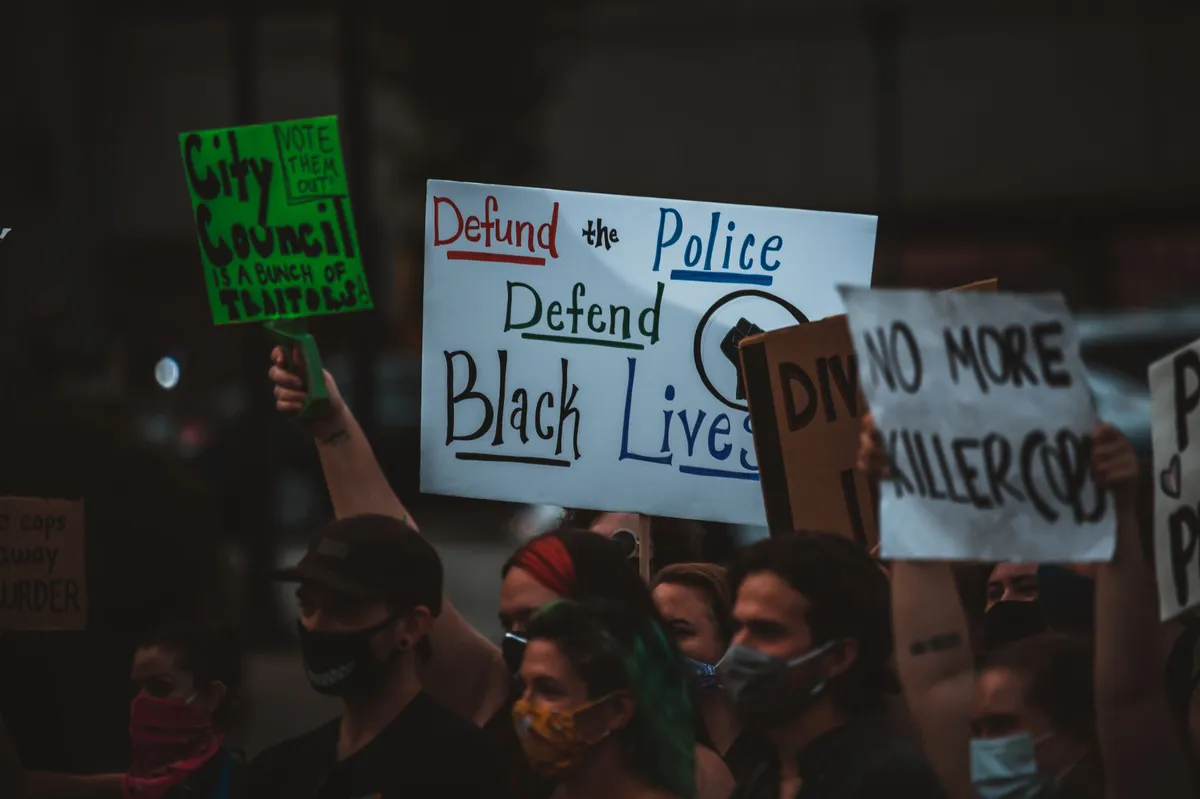
The battle against racial profiling in Maricopa County, Arizona, continues as a federal judge has denied the county's attempts to end federal oversight related to systemic racial bias in its sheriff's office. This ongoing legal saga, which began over a decade ago under the controversial former Sheriff Joe Arpaio, underscores the complexities and challenges of addressing ingrained racial discrimination within law enforcement agencies. Despite the county's claims of improvement, the judge's ruling reflects a critical assessment of the sheriff's office's compliance with court orders aimed at eradicating racial profiling practices against Latino drivers.
U.S. District Judge G. Murray Snow, who has presided over the case since its inception, expressed skepticism regarding the sheriff's office's readiness to operate independently of federal supervision. He noted that while there have been some improvements since Arpaio's tenure, such as the phasing out of discriminatory policies, the department has only achieved between 68% and 84% compliance with the court's orders. This falls short of the required 94% compliance threshold necessary for the court to consider lifting its oversight.
Historical Context of Racial Profiling in Maricopa County
Racial profiling in Maricopa County has deep roots, primarily stemming from the policies of former Sheriff Joe Arpaio, who was widely criticized for his aggressive tactics against Latino communities. In 2013, a federal court ruled that Arpaio's office had engaged in systemic racial profiling, prompting a series of court orders designed to rectify these practices. Over the years, these orders have mandated changes in training, reporting, and accountability to eliminate bias in policing.
Despite the sheriff's office's claims of progress, Judge Snow's recent ruling highlights that the measures taken have not been sufficient to ensure a permanent end to racial bias. The court's ongoing oversight serves as a reminder of the persistent challenges in achieving true reform within law enforcement.

Current Compliance and Oversight Issues
Judge Snow's ruling comes as the sheriff’s office faces scrutiny not only for its traffic stop practices but also for its failure to address a significant backlog of internal investigations. As of July 31, reports indicate that the backlog has decreased from 2,000 cases to fewer than 300, suggesting some progress. However, the judge emphasized that the county has not demonstrated a commitment to fully complying with the court’s orders.
Statistics Reflecting Ongoing Disparities
Data presented in court continues to reveal troubling disparities in how Latino and white motorists are treated. For instance, Hispanic drivers are approximately 40% more likely to be arrested than their white counterparts, 30% longer in detention during traffic stops, and 2.5 times more likely to be searched. Such statistics raise critical questions about the underlying practices of the sheriff's office and the systemic issues that persist despite claims of reform.
The County's Argument and the Role of the Department of Justice
In defense of its practices, Maricopa County attorneys have argued that the statistical indicators of bias do not necessarily equate to discriminatory policing. Judge Snow acknowledged this perspective but also highlighted that the burden of proof lies with the county to explain the disparities. The Department of Justice, which has intervened in the case, has similarly refrained from offering explanations for the discrepancies in traffic stops and arrests.
Furthermore, the county contends that certain aspects of the internal investigation backlog were not part of the original lawsuit, thus arguing against the necessity of addressing them as part of compliance. However, Judge Snow maintained that reducing the backlog is a direct remedy to the racial profiling issues raised in the complaint.

Political and Community Reactions
The lengthy legal battle has not only drawn the attention of the courts but also sparked significant political debate. Local officials, including Republican Congressman Andy Biggs, have voiced support for ending federal oversight, suggesting that the sheriff's office should be trusted to operate without external monitoring. Critics, however, argue that such a move could reverse the progress made and allow for discriminatory practices to resurface.
Community members affected by the sheriff's office's practices express frustration over the slow pace of change and the lingering effects of racial profiling. Many feel that although some improvements have been made, true accountability and reform remain elusive.

Financial Implications and Accountability
Financially, the county claims to have invested more than $226 million since 2014 to comply with federal orders. However, an independent audit casts doubt on this figure, suggesting the county may have overestimated compliance costs by more than 70%. This discrepancy raises concerns about transparency and accountability in how taxpayer funds are being utilized in the context of compliance efforts.
As the legal proceedings continue, the sheriff's office must not only address its compliance with court orders but also restore trust within the community it serves. The ongoing federal oversight highlights the importance of sustained efforts to ensure that policing practices are fair, equitable, and free from racial bias.
Key Takeaways
- The federal judge has reaffirmed oversight of Maricopa County’s sheriff's office due to ongoing racial profiling issues.
- Despite some improvements, compliance with court orders remains below the required threshold.
- Statistical disparities between Latino and white drivers persist, raising concerns about systemic bias.
- Political debates continue regarding the necessity of federal oversight versus local control.
- Financial accountability for compliance efforts is under scrutiny, with significant discrepancies reported.
Frequently Asked Questions
What are the implications of the federal judge's ruling for Maricopa County?
The federal judge's ruling underscores the ongoing need for oversight in Maricopa County's sheriff's office, particularly regarding racial profiling practices. Without demonstrating full compliance with court orders, the county remains under federal scrutiny, which aims to ensure that the rights of all individuals, especially marginalized communities, are protected. The ruling may also serve as a precedent for other jurisdictions grappling with similar issues of racial bias in policing.
How has the sheriff's office responded to the allegations of racial profiling?
In response to the allegations, the sheriff's office has phased out many of the policies instituted under former Sheriff Joe Arpaio. However, the effectiveness of these changes has been called into question, as compliance with federal orders has not reached the necessary levels. The department claims that racial bias is no longer a pervasive issue, yet statistical data continues to indicate disparities in treatment between different racial groups.
What can community members do to advocate for change?
Community members can engage in advocacy by attending public meetings, voicing concerns to local officials, and participating in organized protests or campaigns aimed at raising awareness about racial profiling and police accountability. Collaboration with civil rights organizations can also amplify their efforts to ensure that law enforcement practices are fair and just. Furthermore, staying informed about ongoing legal developments can empower community members to hold authorities accountable.
What role does the Department of Justice play in this case?
The Department of Justice (DOJ) intervened in the case to address concerns over racial profiling and to provide oversight during the compliance process. The DOJ's involvement is crucial in holding the sheriff's office accountable for its practices and ensuring that federal law is upheld. The department also serves as a resource for community members to report concerns and seek redress for discriminatory practices.
Comments
Escalating Burnout and Alcohol Use Among Lawyers: A Call for Change
A new study reveals alarming levels of burnout and risky alcohol consumption among lawyers, highlighting a mental health crisis in the legal profession. Understanding these trends is crucial for fostering a healthier work environment and ensuring the wellbeing of legal practitioners.

Related articles

Popular in Employment Law
- TidalHealth Faces Discrimination Lawsuits Amid Allegations of Retaliation
- Understanding College Football Eligibility: Key Issues and Recent Developments
- Understanding Employee Mental Health Obligations in Franchise Workforces
- Sixth Circuit Ruling on ACA Nondiscrimination: Implications for Nurse Anesthetists
- Court Ruling Defends Journalist in Data Center Defamation Case